




If one thing is true of skincare, it’s that it is necessary to maintain your skin’s health, according to dermatologists, plastic surgeons, the National Institutes of Health, and everybody else.
For example, we know that the surface of our skin accumulates dirt, pollutants, and other build-up during the day, necessitating the use of cleansers and exfoliators. Products like these help enhance the efficacy of the other parts of your skincare routine by preparing the skin for other treatment steps, like serums and moisturizers. Knowing this, it’s hardly an overstatement to say that cleansing and exfoliation constitute some of the most important steps of your skincare routine. To “purify” the skin is, after all, the first and foremost step in Tatcha’s Classic Ritual.
But choosing a cleanser or exfoliator can be difficult, given the range of options available. Which is why, when choosing your first-step skincare, it might be worthwhile to look at products and ingredients that hail from Japan, where cleansing is more than just good skincare—it’s good self-care, too.
A Cultural Tradition
In Japanese, the verb kiyomeru literally means to purify, but typically refers to an act of spiritual cleansing—before a sumo match, a handful of kiyomeshio, or purifying salt, might be sprinkled around the arena, while at funerals, kiyomeshio was used to deterge evil spirits from the deceased and the ceremony itself. In Japanese culture, even the quotidian act of cleansing has roots in this meaningful Shinto practice.
Purification rituals are woven throughout Japanese culture, from everyday activities, like washing your face or cleaning your room, to special occasions, like rinsing your hands before visiting a shrine. It’s an act of care, but also a show of respect—to spirits, to those around you, and, of course, to yourself.
If you’ve ever dove into a body of water on a hot afternoon, or taken a long shower after a grueling day of work, you surely understand how the simple act of cleansing can be felt from the skin to the soul. In other words: It’s deeper than skin.
Cleansing vs. Exfoliation
There are two methods in which skin is purified, and they work in tandem, a one-two step for a clean, fresh face: Cleansing and exfoliating.
Japanese facial cleansers come in many different textures, from creams to oils to lightweight foams, that share common ingredients known as surfactants. These surfactants work at the molecular level to, in part, pull dirt or dead skin or other build-up out of the skin by encasing them in “micelles” and allowing them to be washed away. Other surfactants can soften or soothe skin, or are added as emulsifiers. Surfactants are necessary to make any skin cleansing formula.
Exfoliators are distinct from cleansers in the skincare order of operations. Using certain chemical or physical ingredients, like acids or fine powders, exfoliators offer a deeper clean by removing dead skin. Some Japanese facial cleansers are made with exfoliating ingredients, but you should exfoliate less often than you cleanse, according to the American Academy of Dermatology. (The sweet spot is typically about 2–3 times per week.) Those with sensitive skin should be extra cautious about the kinds of exfoliators they use.
In fact, understanding your skin’s type and goals should help when deciding on the best Japanese facial cleanser or exfoliator for you.
Choose Your Clean
At Tatcha, Japanese beauty rituals not only inspire our philosophy, but our formulas, too. Many of our products incorporate skincare technology derived from Japanese botanicals with clinically proven benefits.
Cleansers
We’ll start with cleansers, which can be used daily to prepare your skin for the serums and moisturizers that follow. When it comes to products that actually cleanse the skin, as opposed to simply removing makeup—like micellar waters and biodegradable wipes—there are four main types of cleansers.
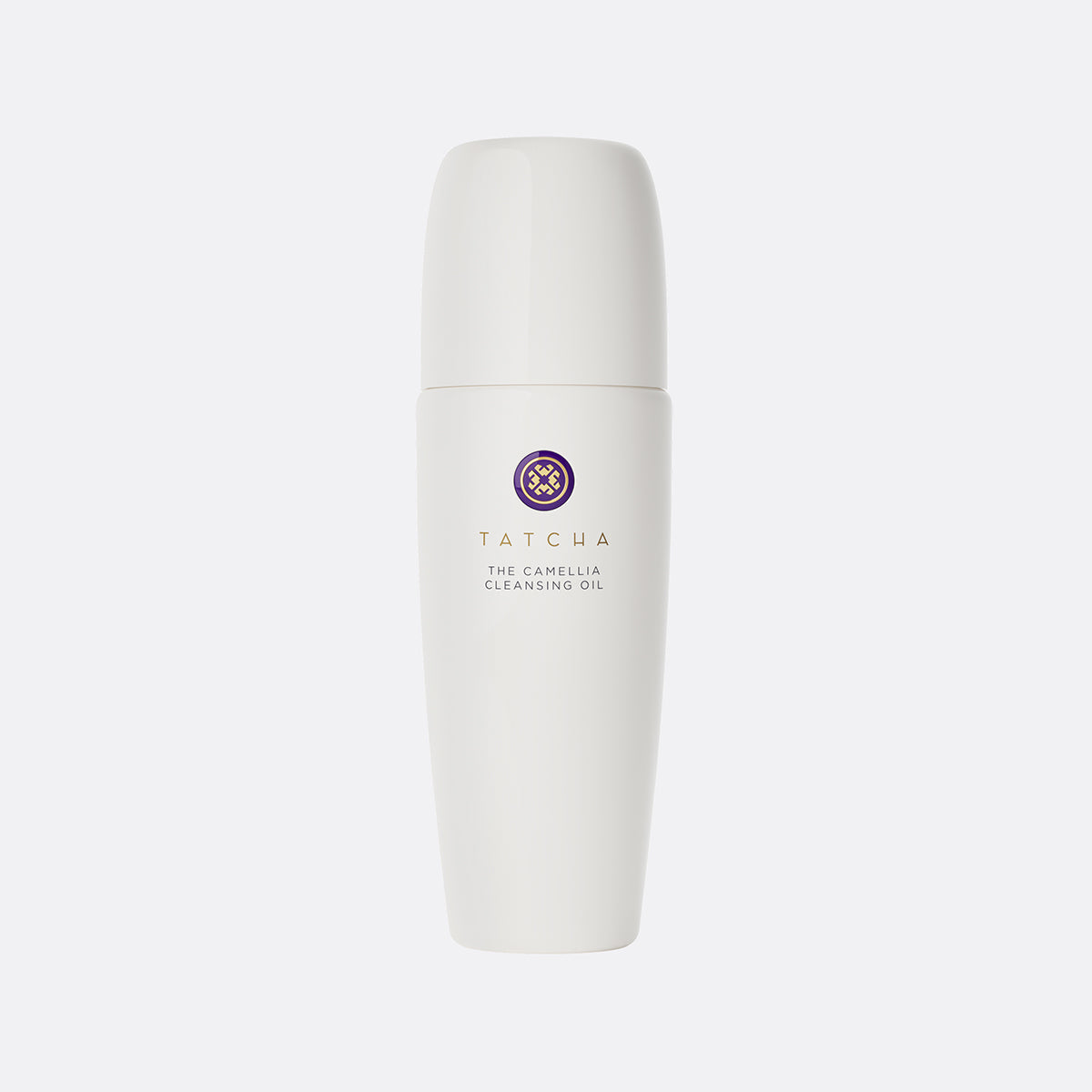
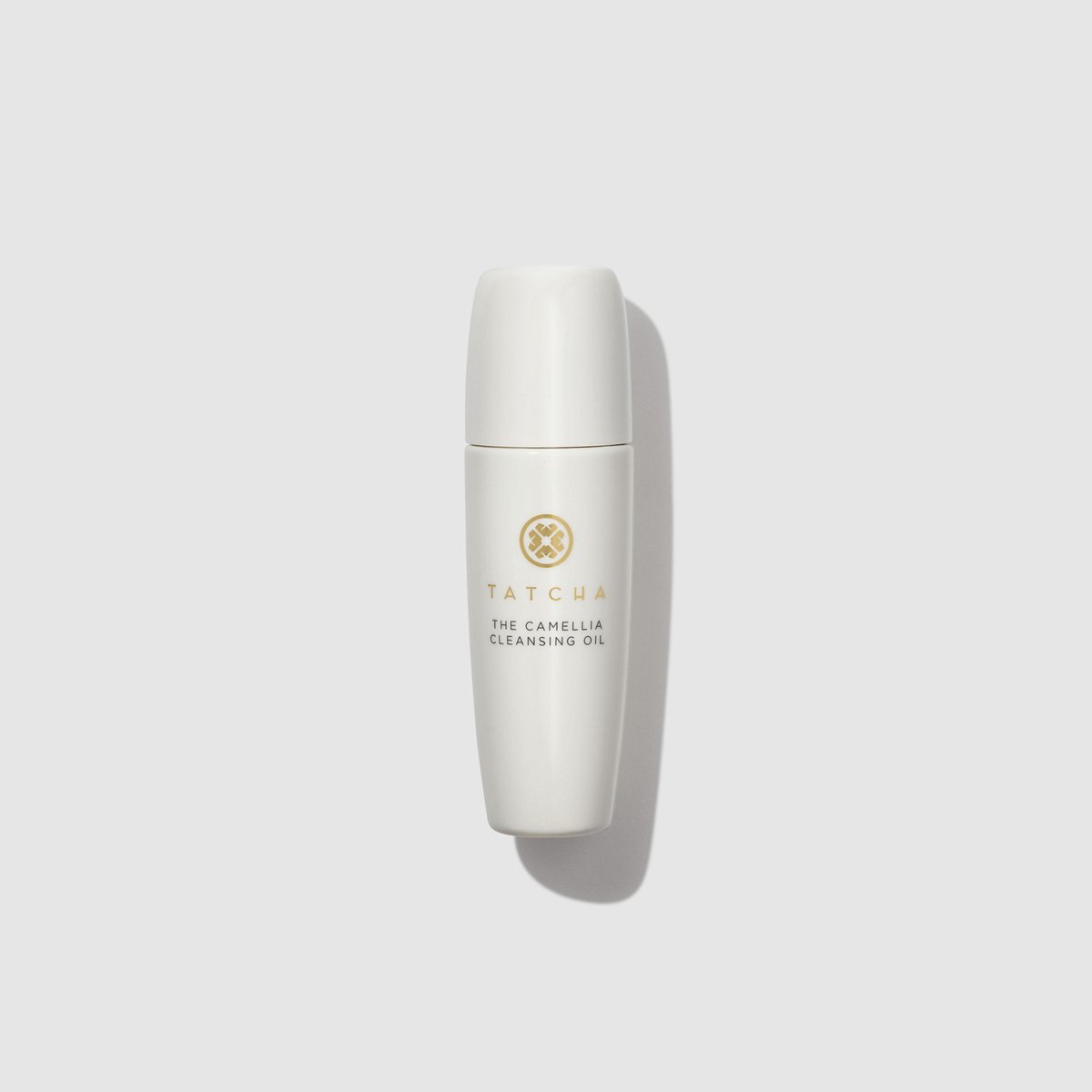
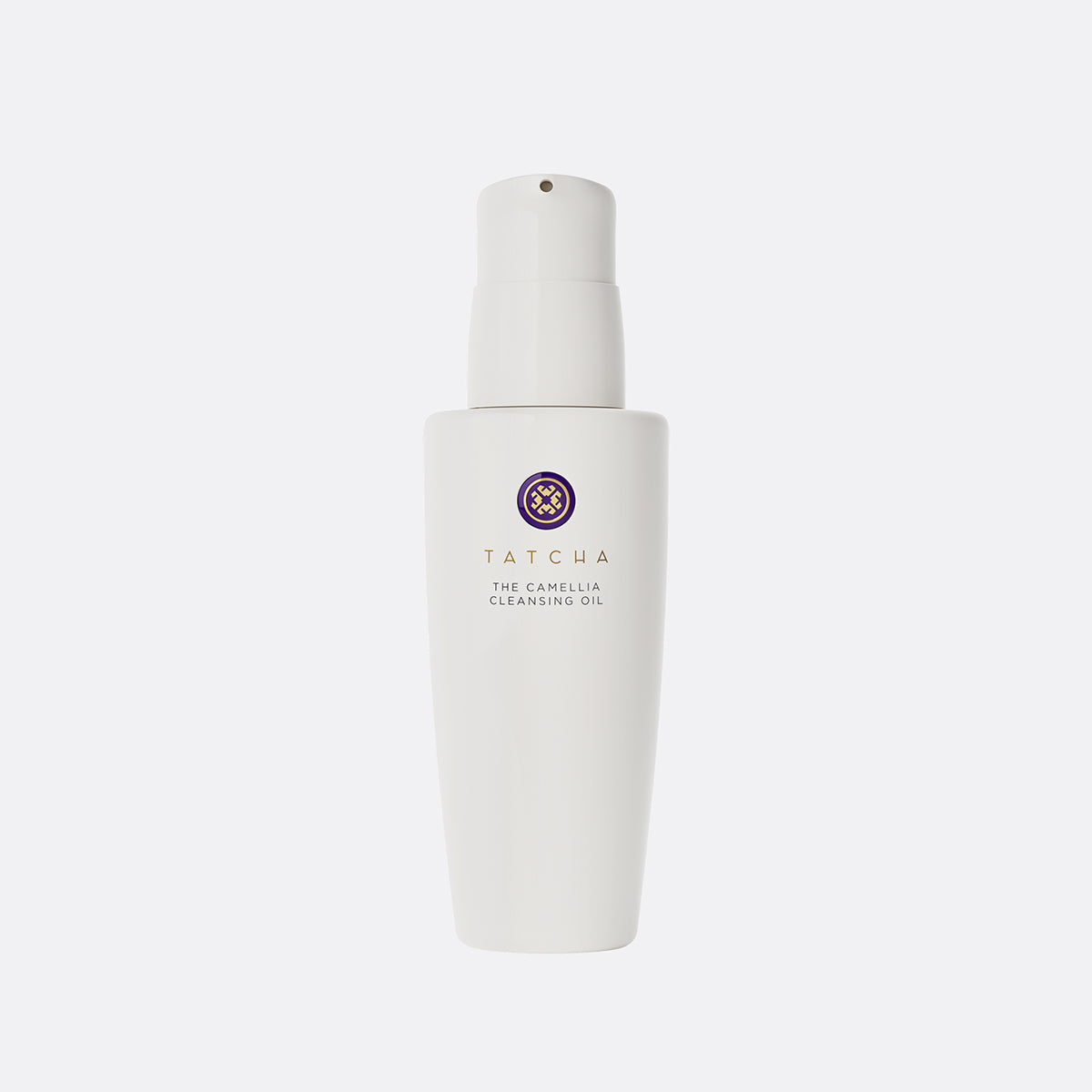
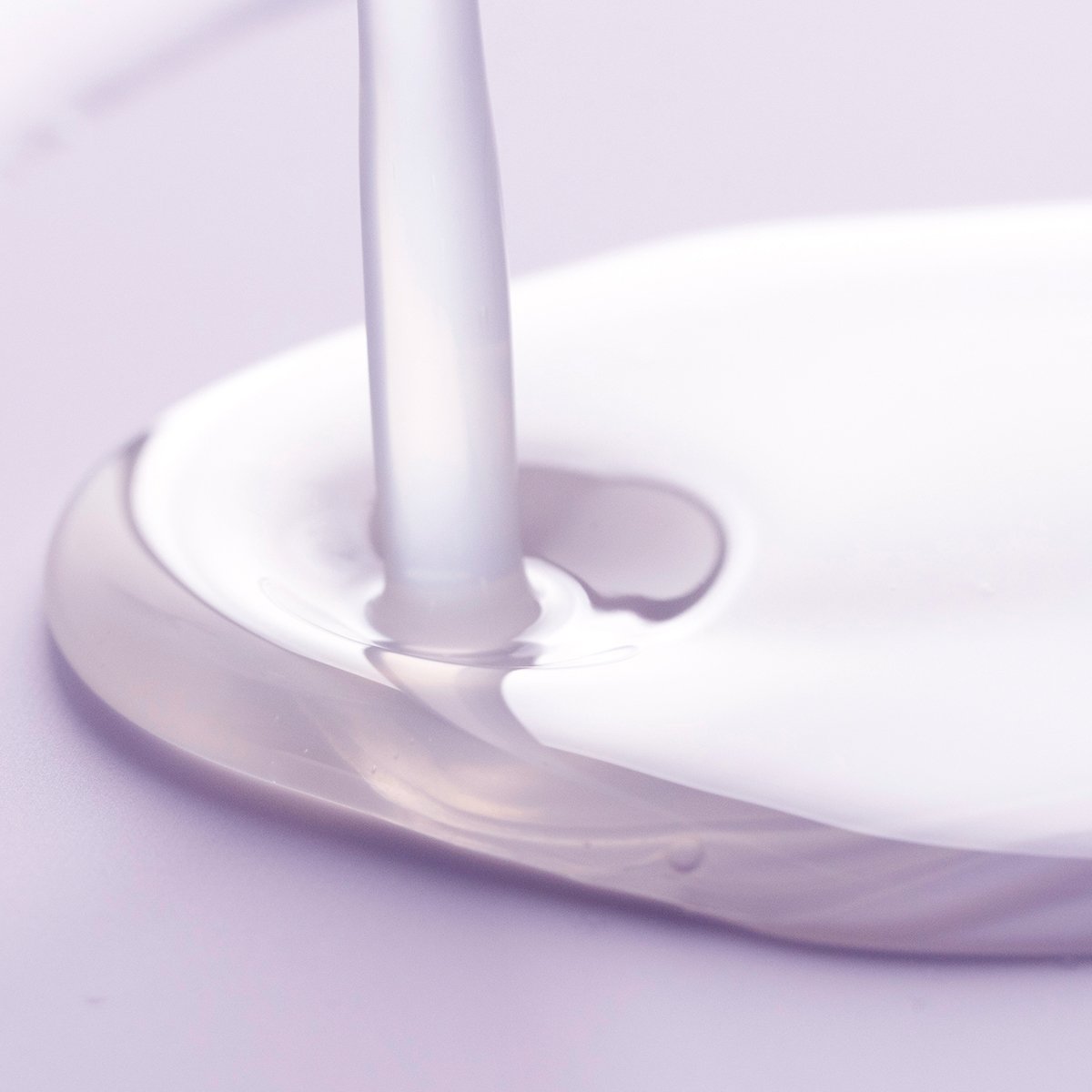
1. Oils. Lightweight and nourishing, many oils make for great face cleansers for how gently they purify skin. For centuries, geishas used tsubaki, an oil from camellia flowers, to remove their signature white makeup; In the present day, dermatologists love oil cleansers especially for dry skin types, and for the fact that they contain nourishing fatty acids and protective antioxidants. Inspired by this timeless beauty wisdom, the Camellia Cleansing Oil is ultralight, and removes makeup while cleansing the skin in a seamless two-in-one. It’s also formulated for any skin type, and the perfect starter oil for first-timers.
2. Gels. Gel textures have always been popular in face washes. They come from water-based formulas that may (but also may not) lather into a foam when applied to the skin. Gel face washes are sometimes associated with a “squeaky clean” feeling that makes them beloved by those who have oily skin, but some cleansers, like Tatcha’s The Deep Cleanse, are made with gently exfoliating ingredients that benefit all skin types. The Deep Cleanse uses luffa fruit fibers, used by Japanese women for centuries, to help turn over dead cells, while Japanese florals—rose and leopard lily—help balance and calm the skin.
3. Creams. Not just for your moisturizer, creams also serve as hydrating vehicles for skin-cleansing surfactants. Cream cleansers are unfailingly gentle on every skin type. Unlike the foam of a gel cleanser, Tatcha’s cream cleanser, The Rice Wash, emulsifies into a soft lather when applied, and delivers nourishing antioxidants—like Okinawan algae—and hydrators—like hyaluronic acid—directly to the skin. A touch of rice powder leaves skin a little more luminous.
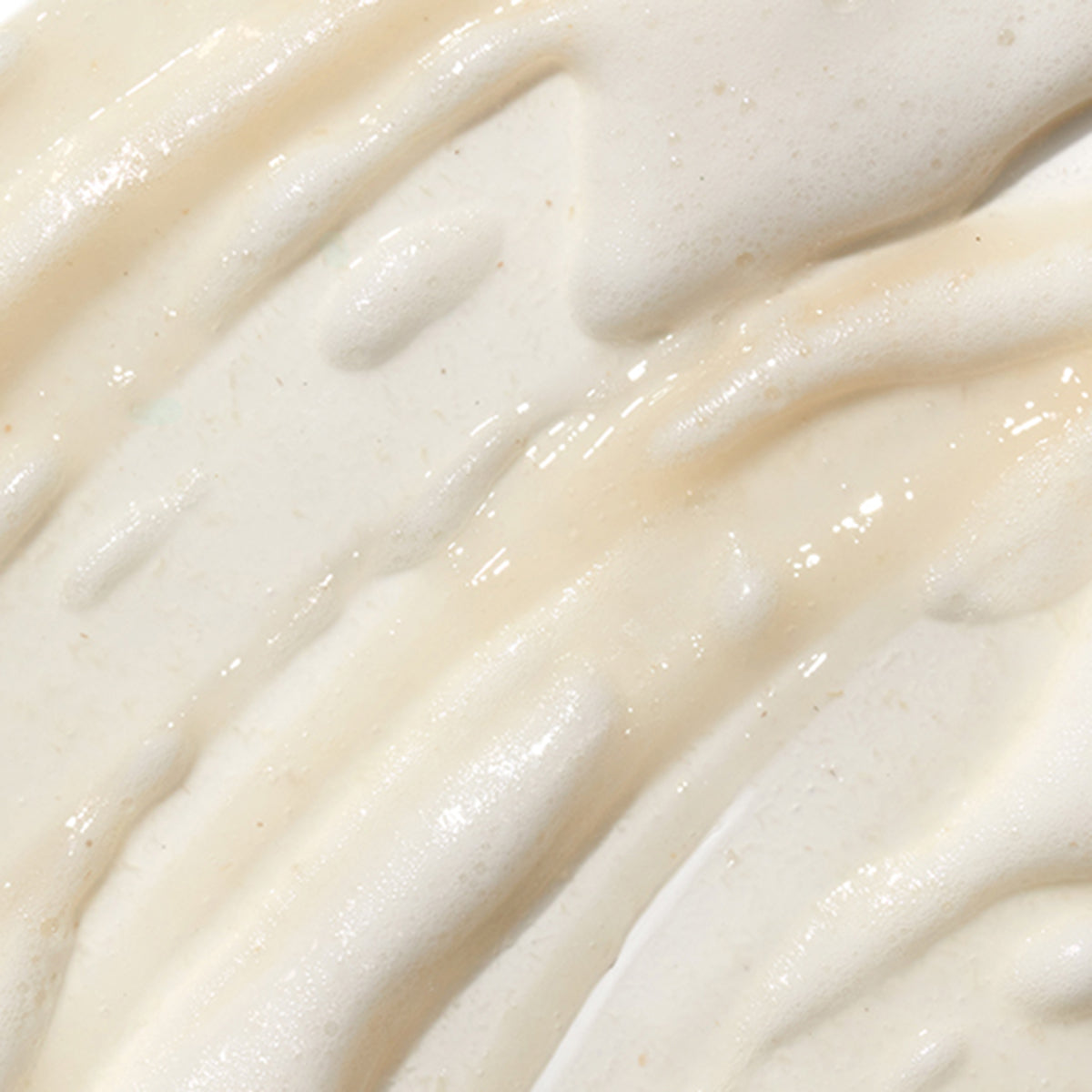
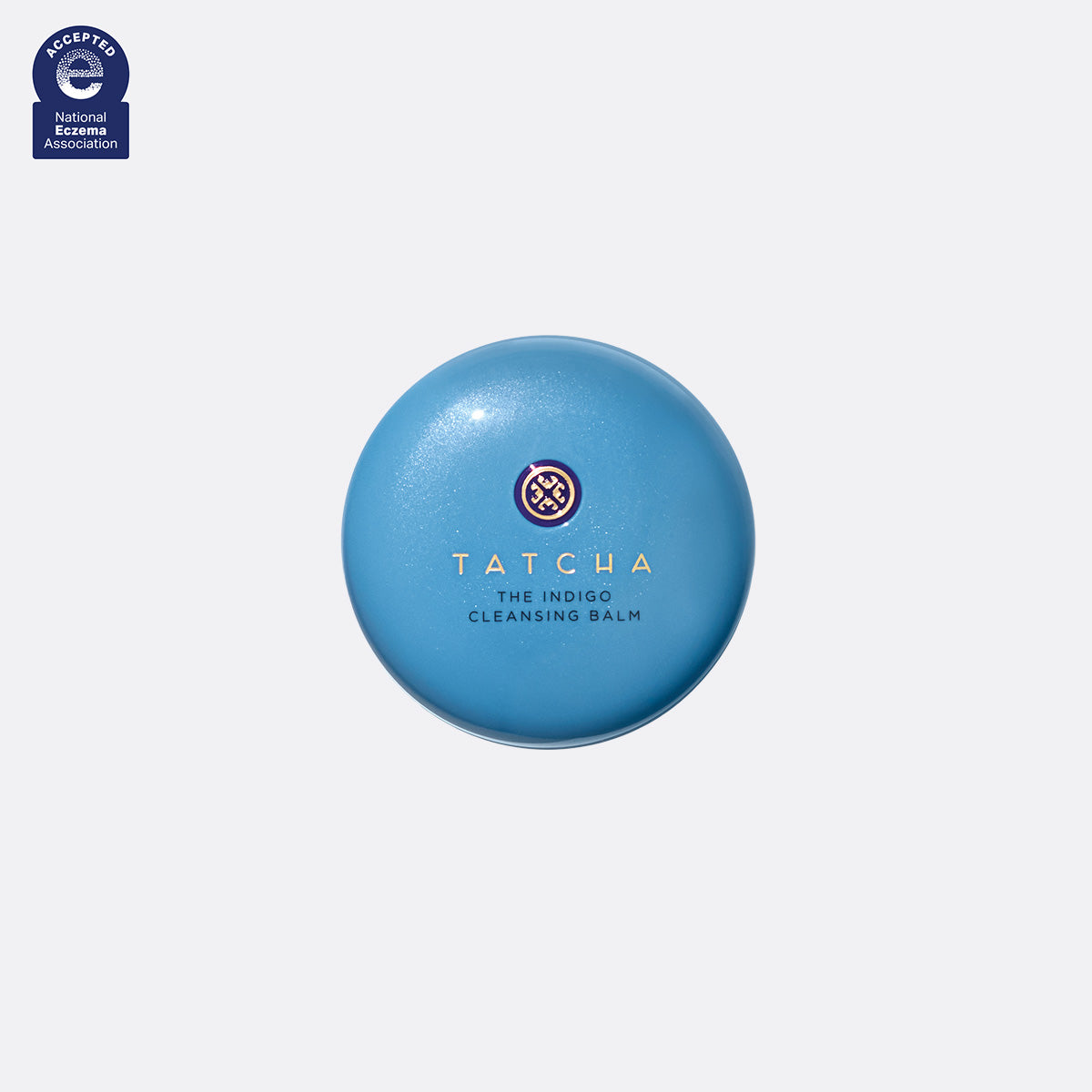
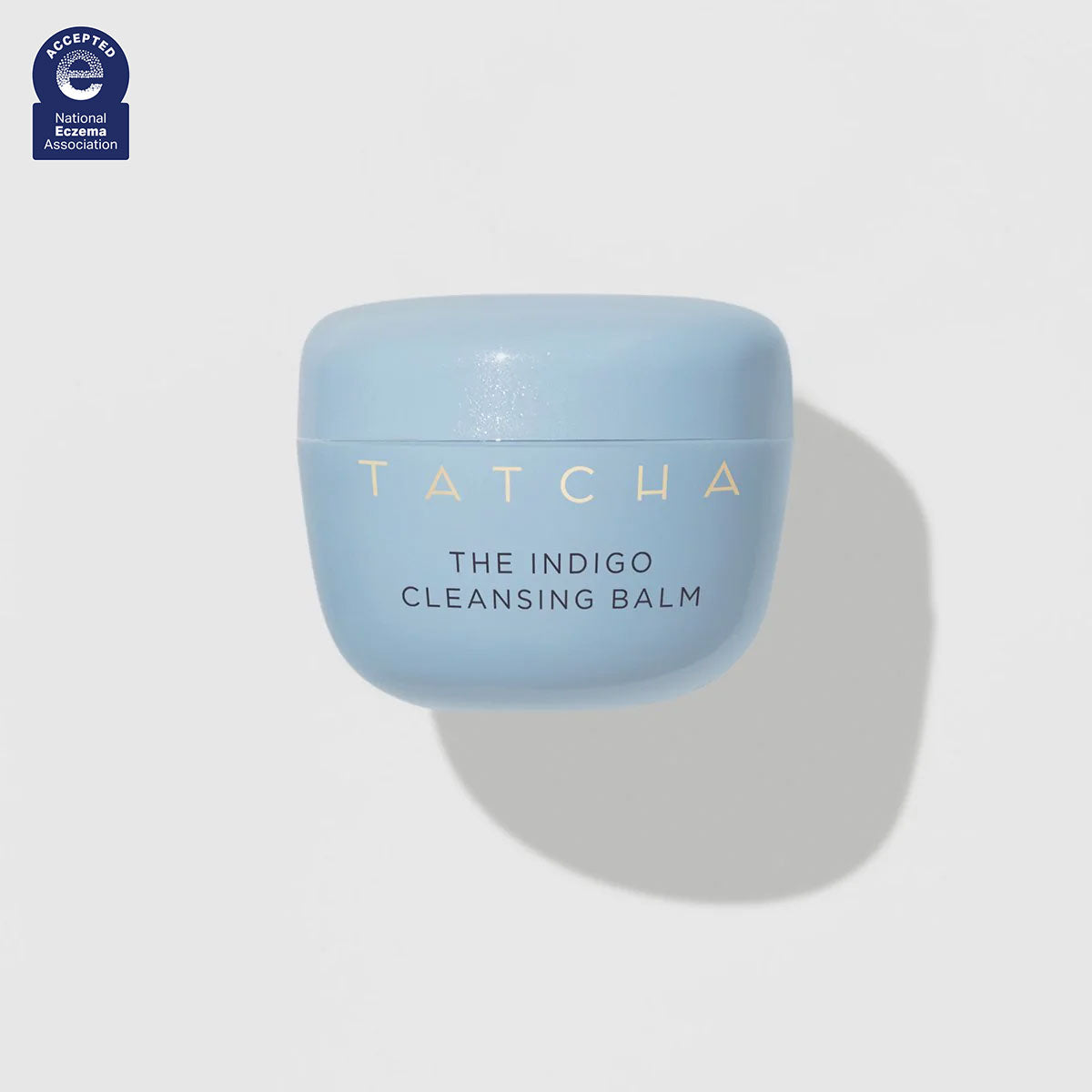
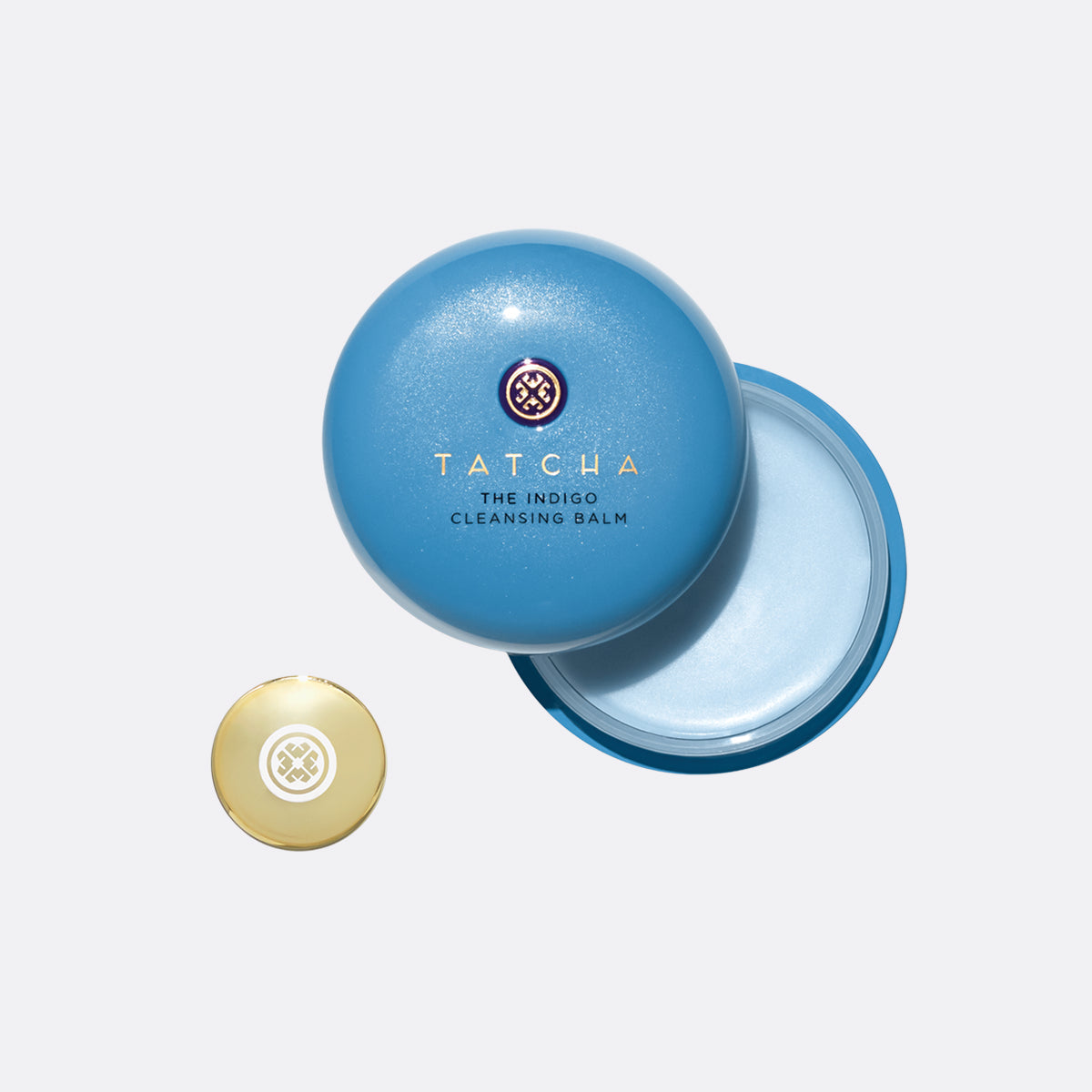
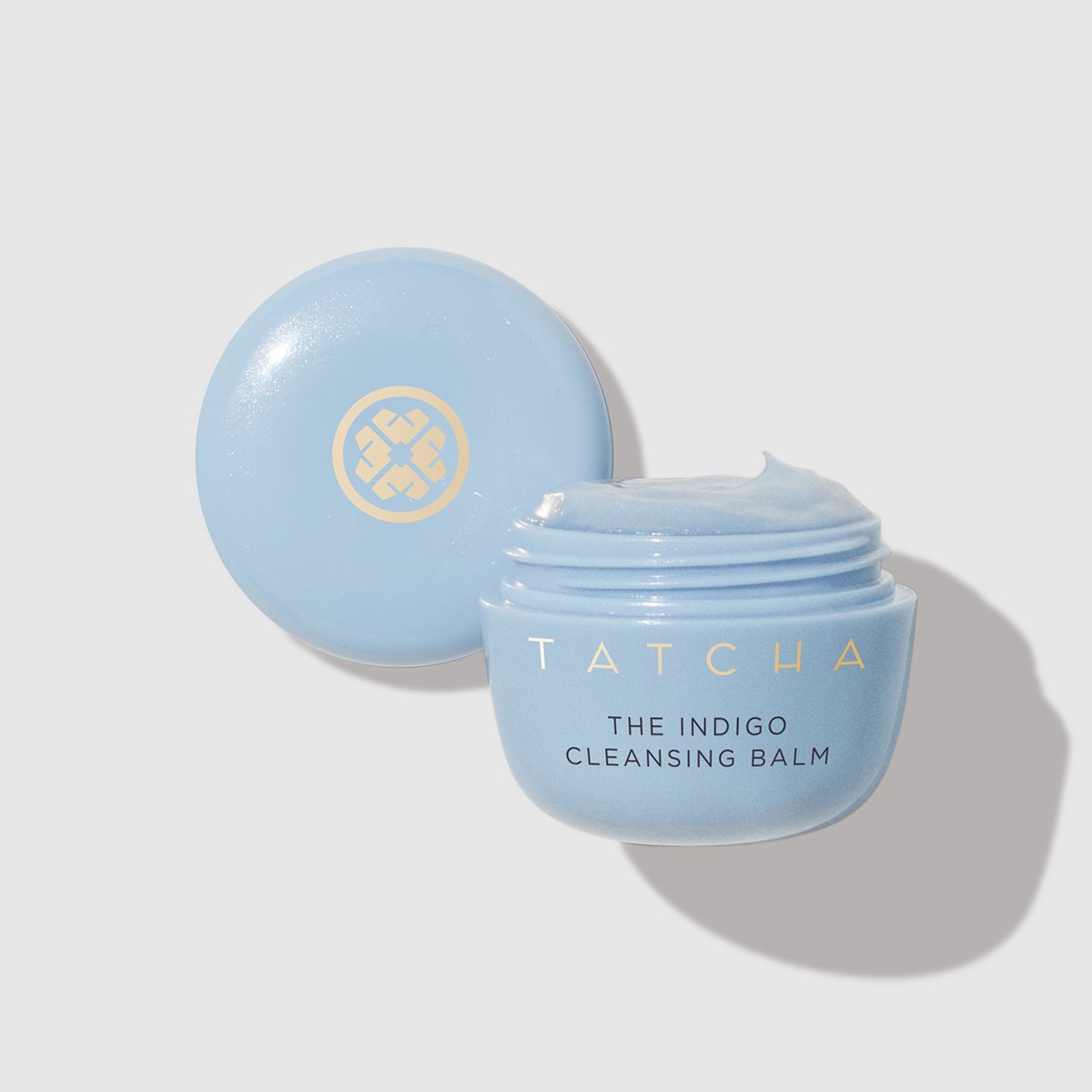
4. Balms. Think of balm as solid oils, because that’s essentially what they are: These luxuriously heavy oil-based formulas are known for melting away makeup, and for leaving skin slick in their wake. It’s perhaps for this reason they’re frequently used by drier skin, but they work on all skin types. Tatcha’s Indigo Cleansing Balm, which is formulated around soothing Japanese indigo extract, works wonders on sensitive skin.
Exfoliators
Exfoliators can usually be grouped into two categories, but don’t be deceived by the simplicity: There’s a lot of variety within chemical vs. physical exfoliants.
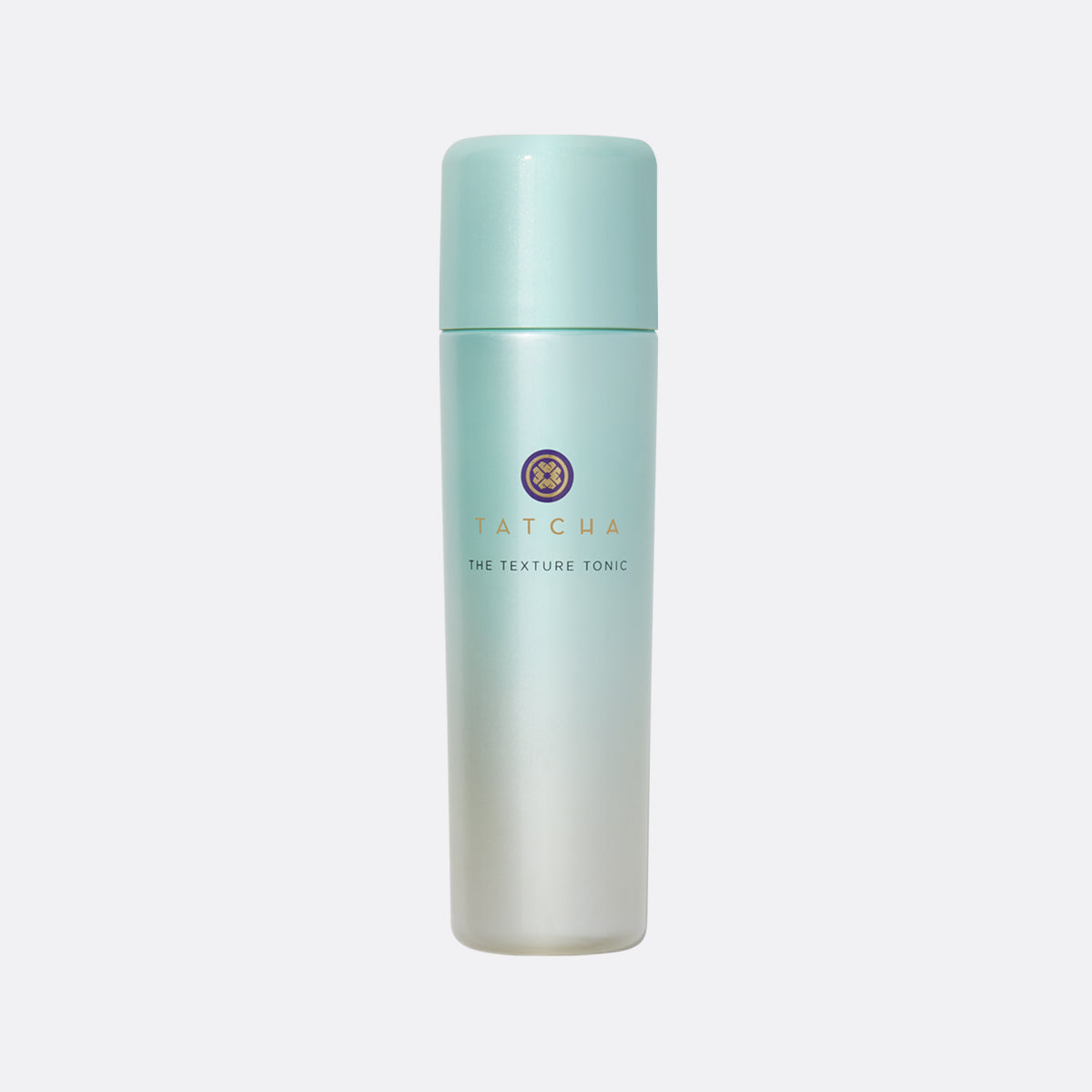
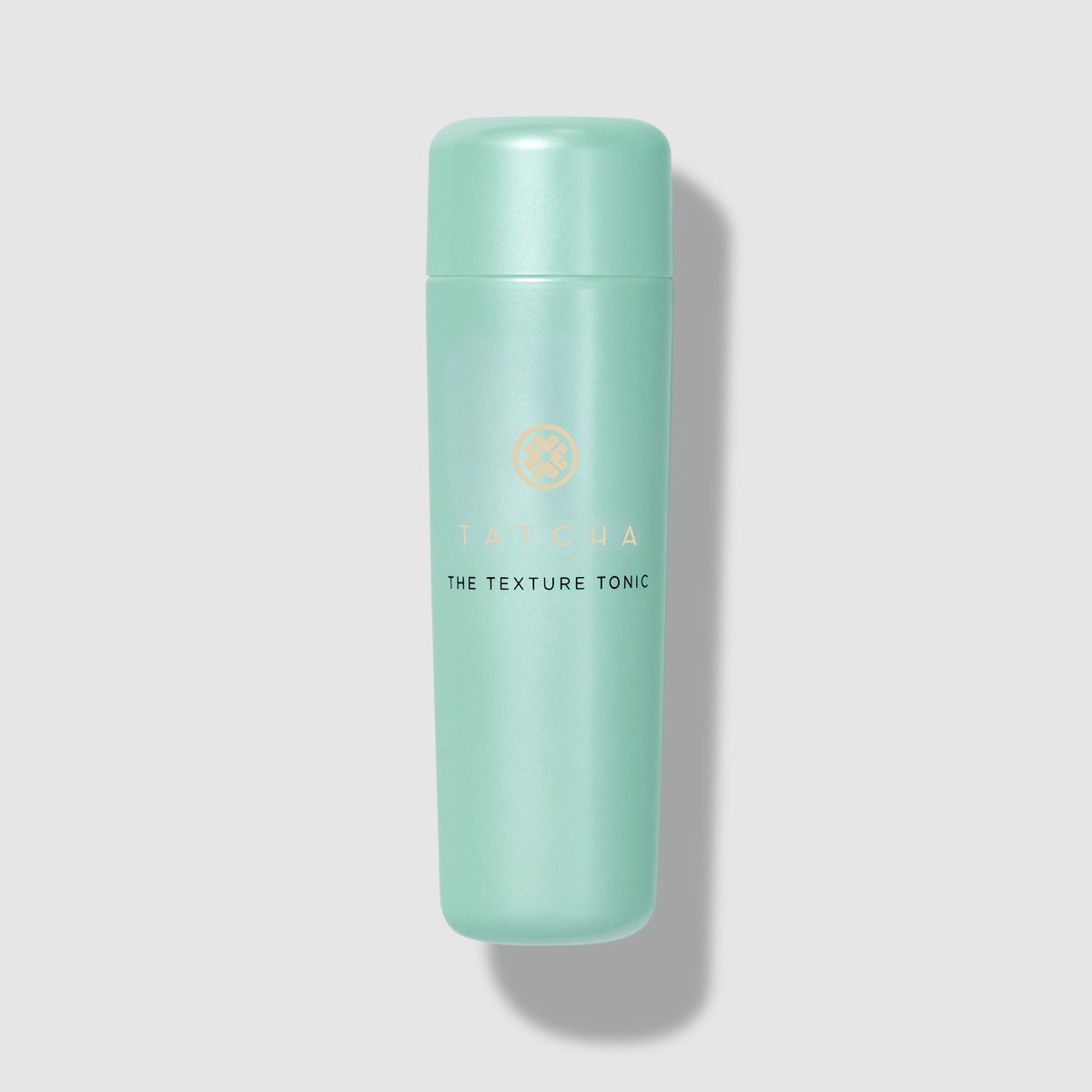
1. Chemical exfoliants. All exfoliators endeavor to remove dead skin cells, and as the name suggests, chemical exfoliants achieve this by chemical means. The operators in many chemical exfoliants include ingredients like alpha- or beta-hydroxy acids (AHAs and BHAs) or enzymes that gently dissolve the bonds between dead cells and healthy ones. Many products also accompany this main function with other skincare benefits. For one example, in addition to the fruit-derived AHAs found in The Texture Tonic, you can also find Japanese mugwort, a calming ingredient once thought to have sacred cleansing abilities. (Think of it like a spiritual double-cleanse.)
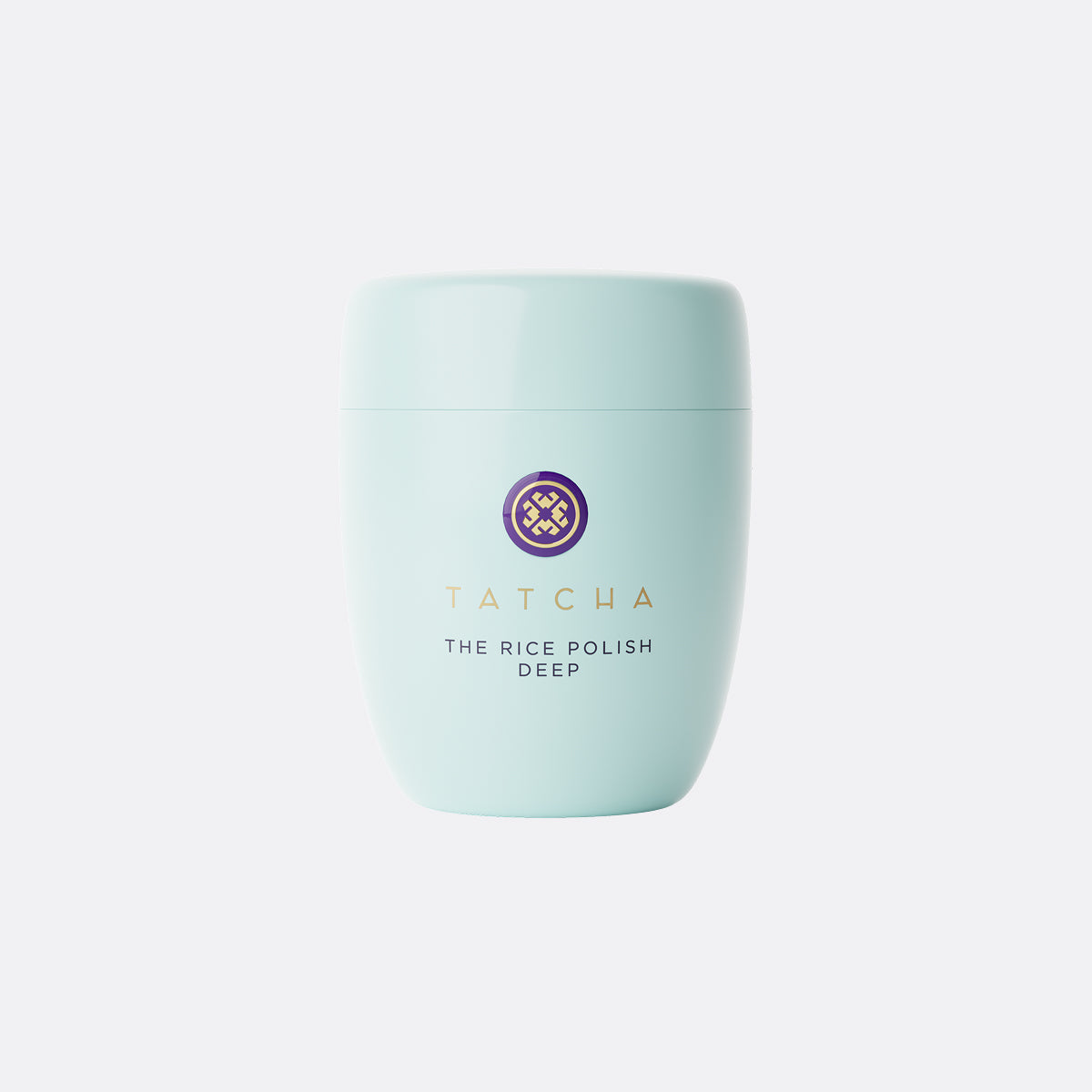
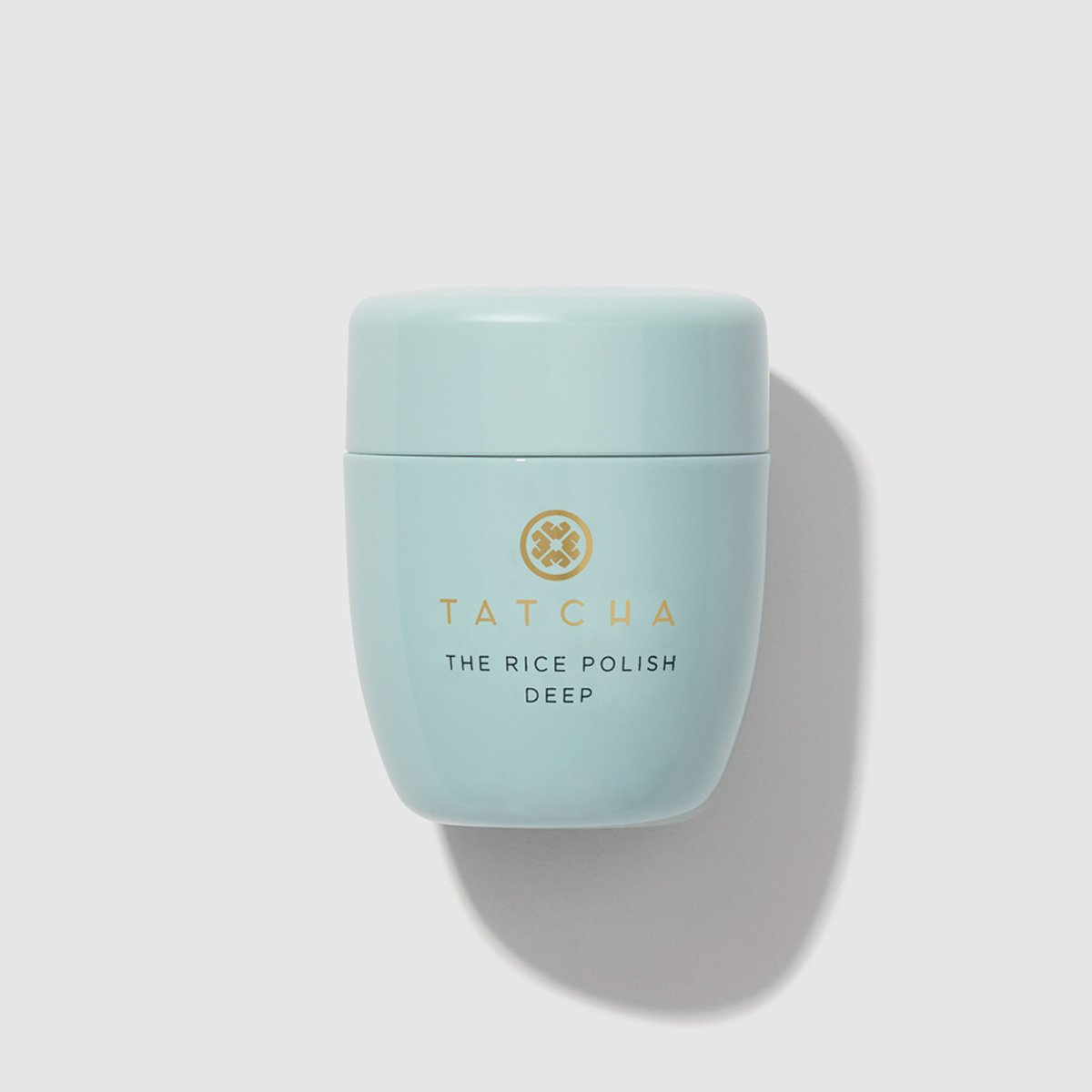
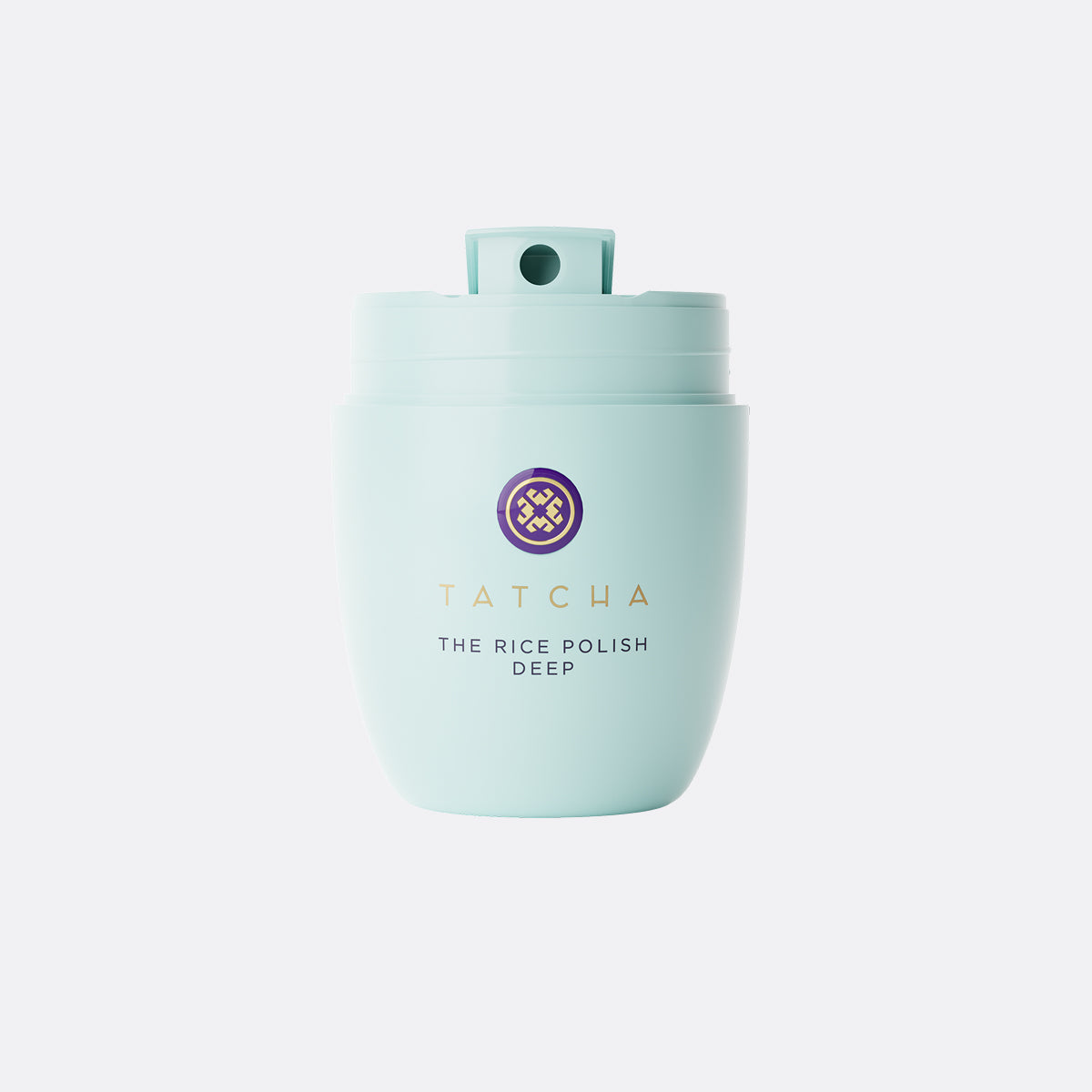
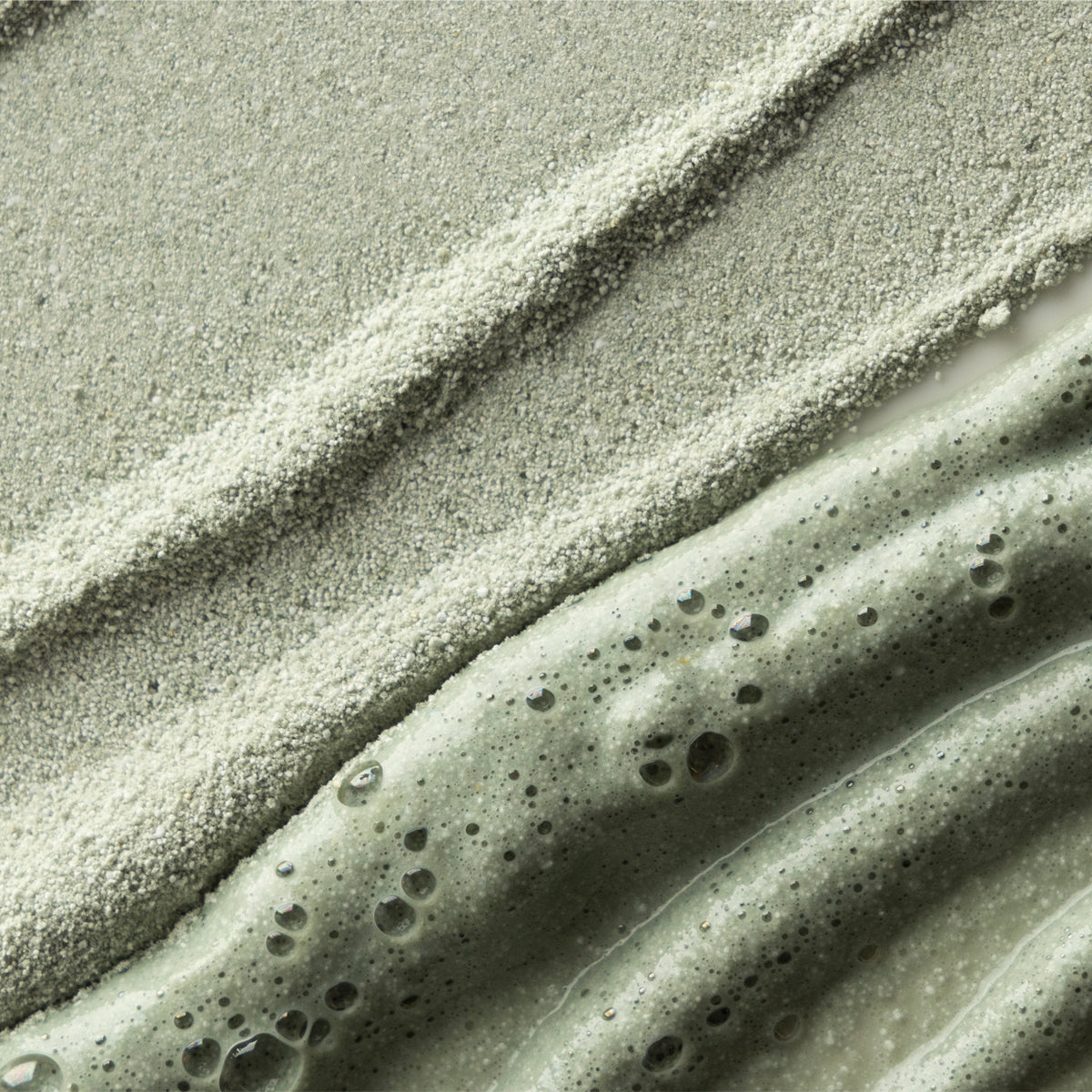
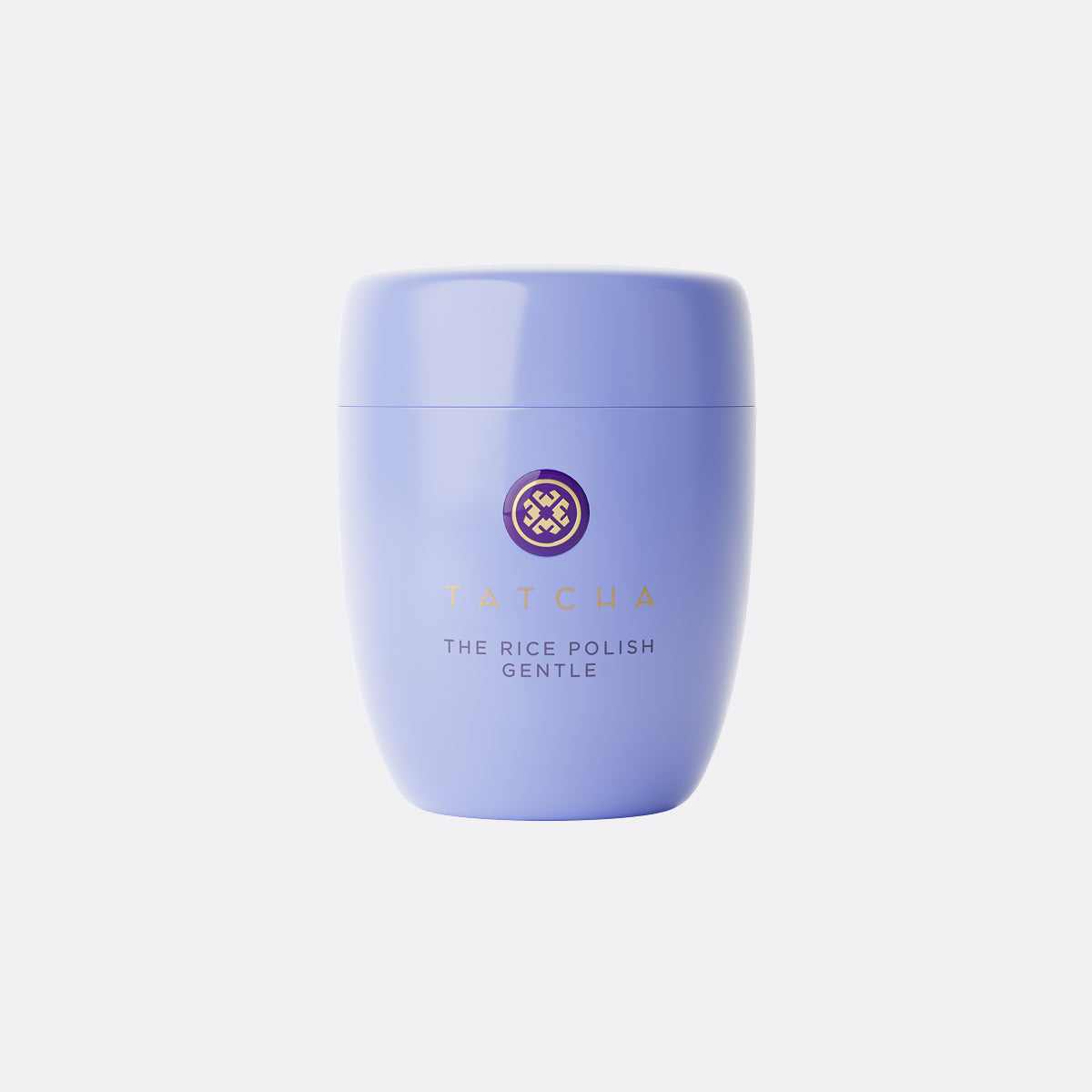
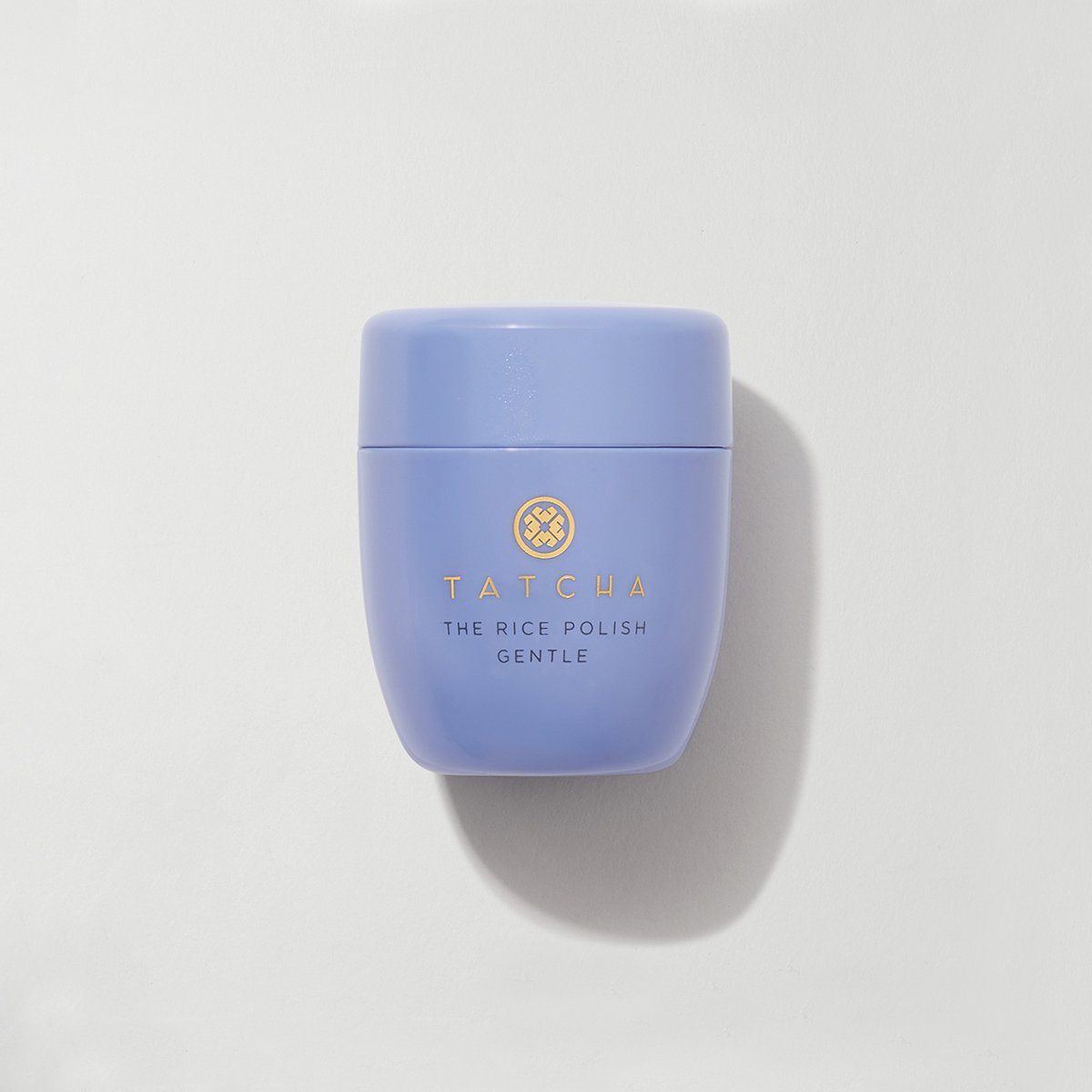
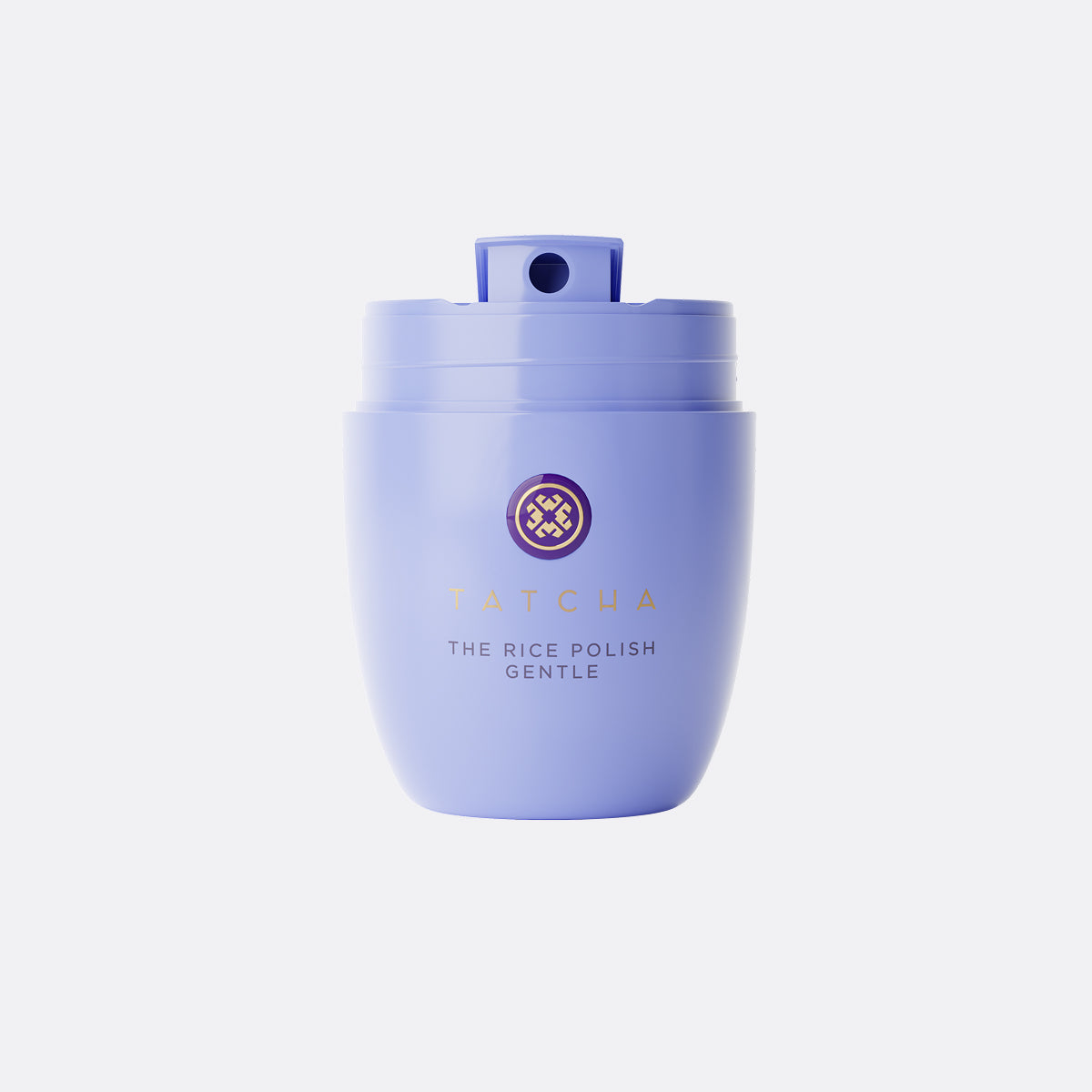
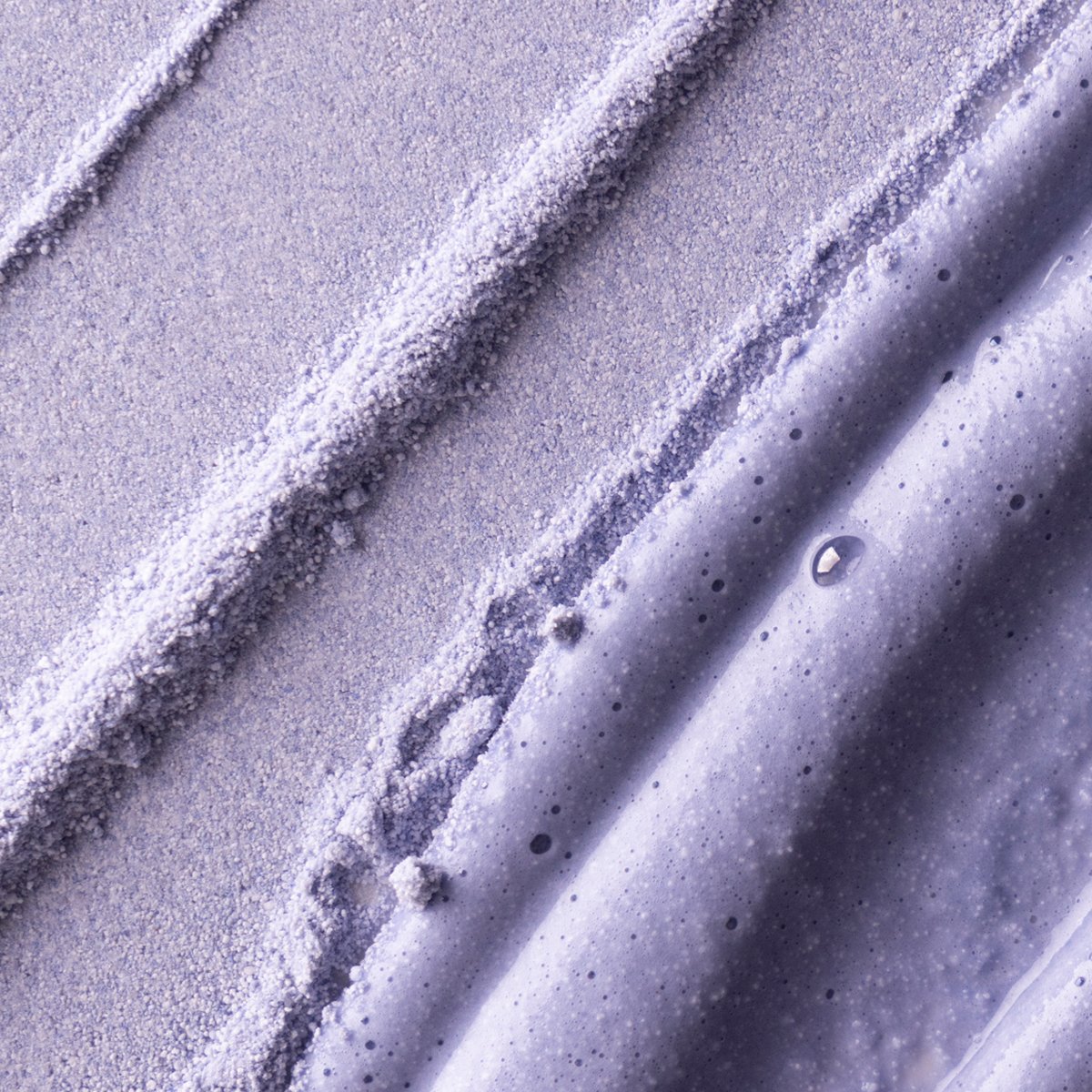
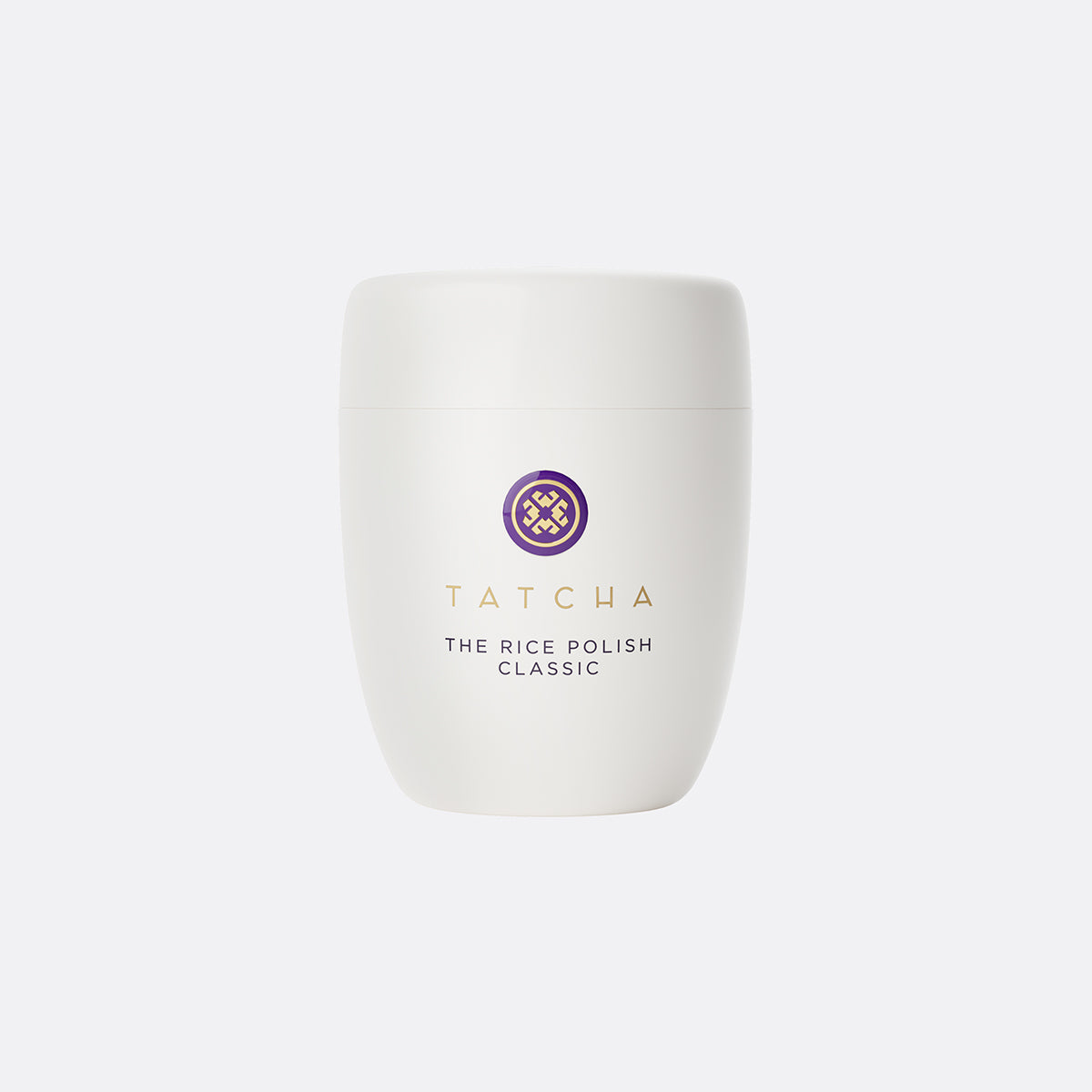
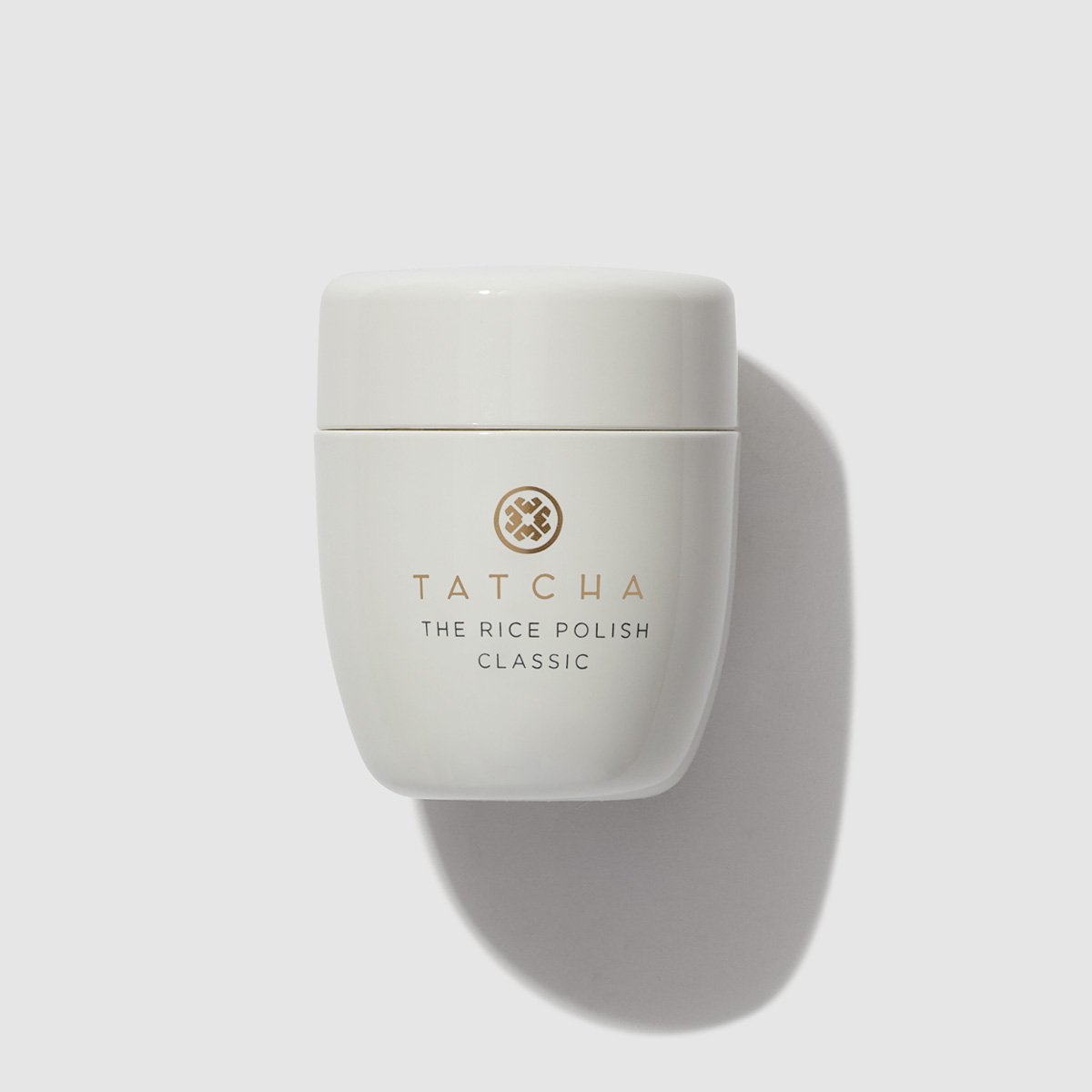
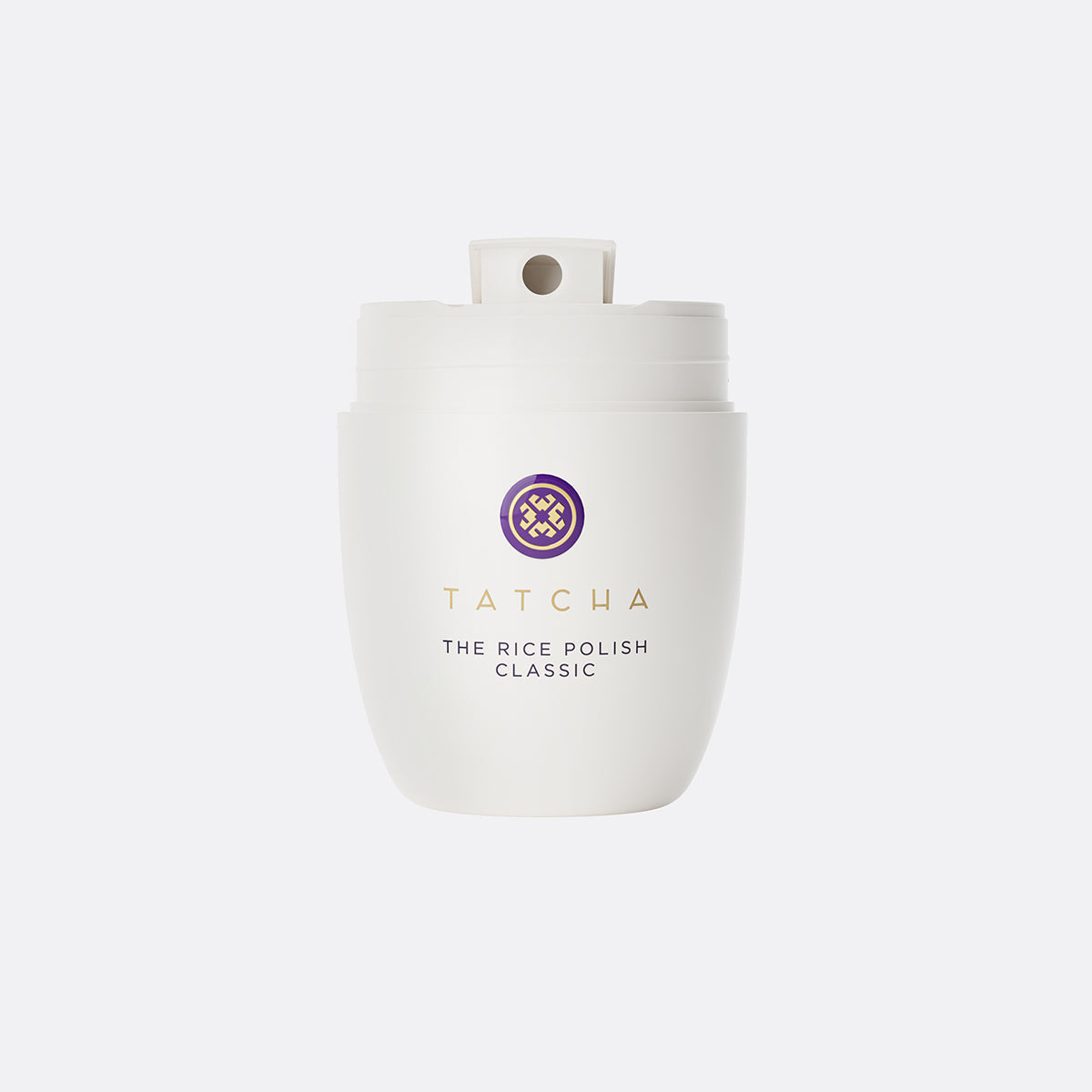
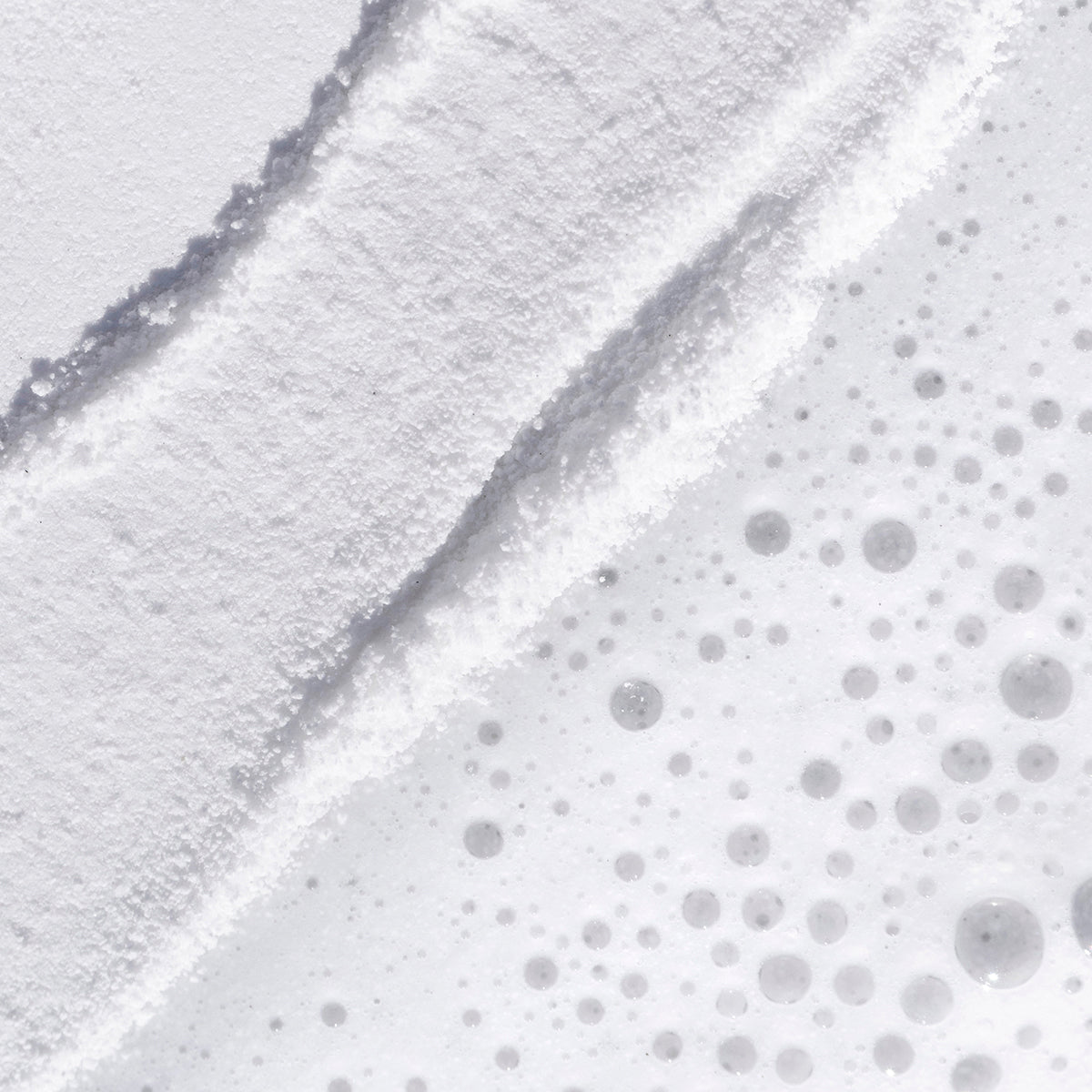
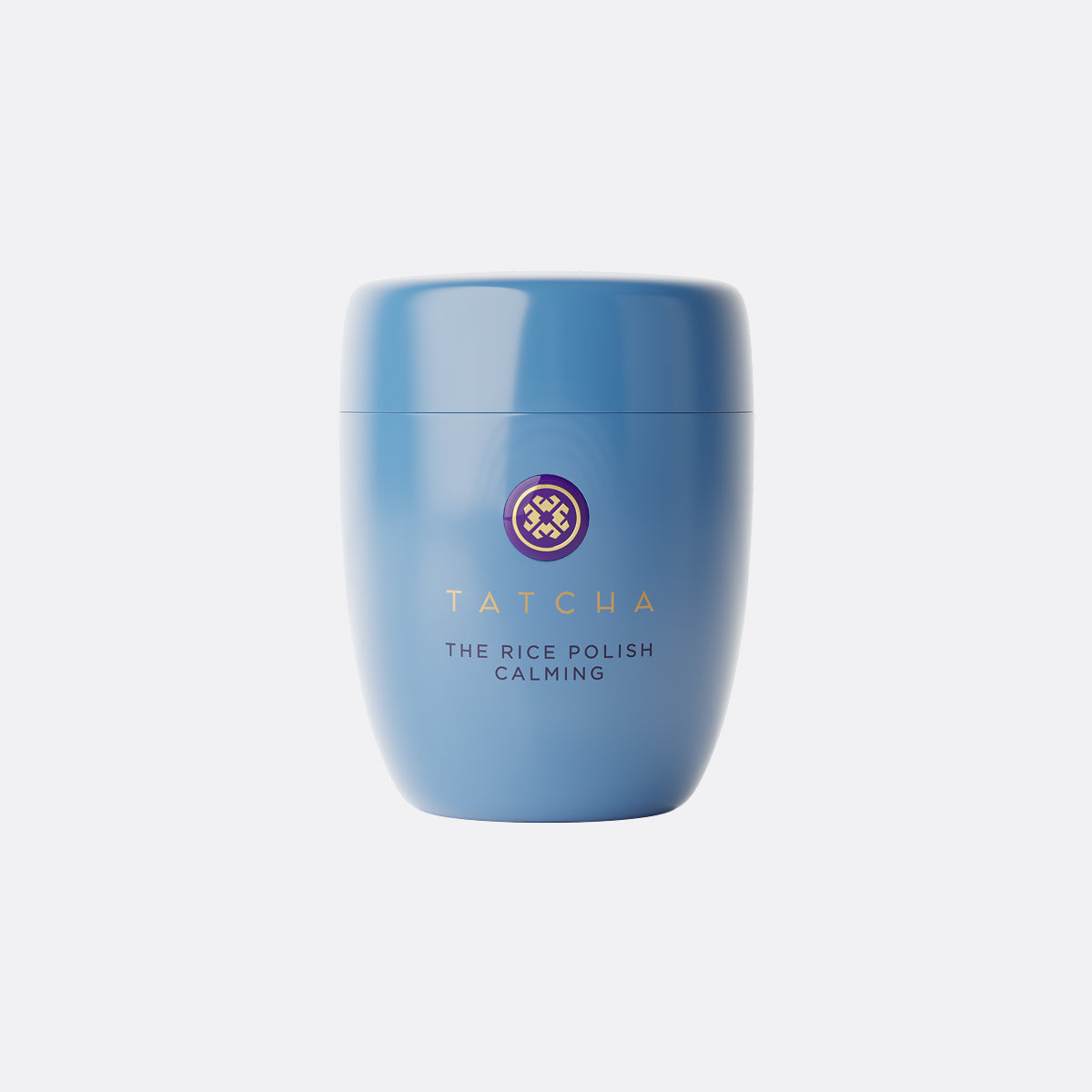
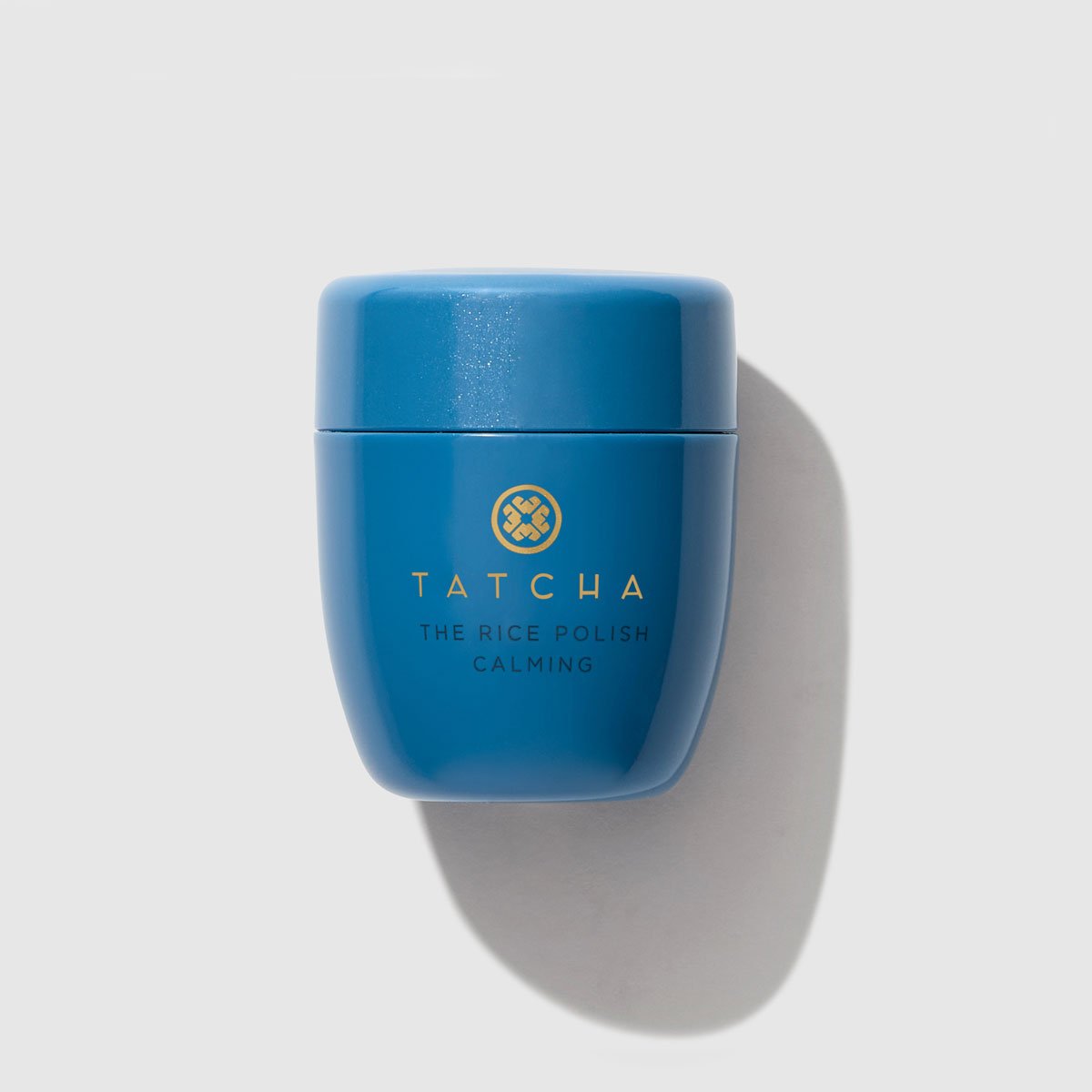
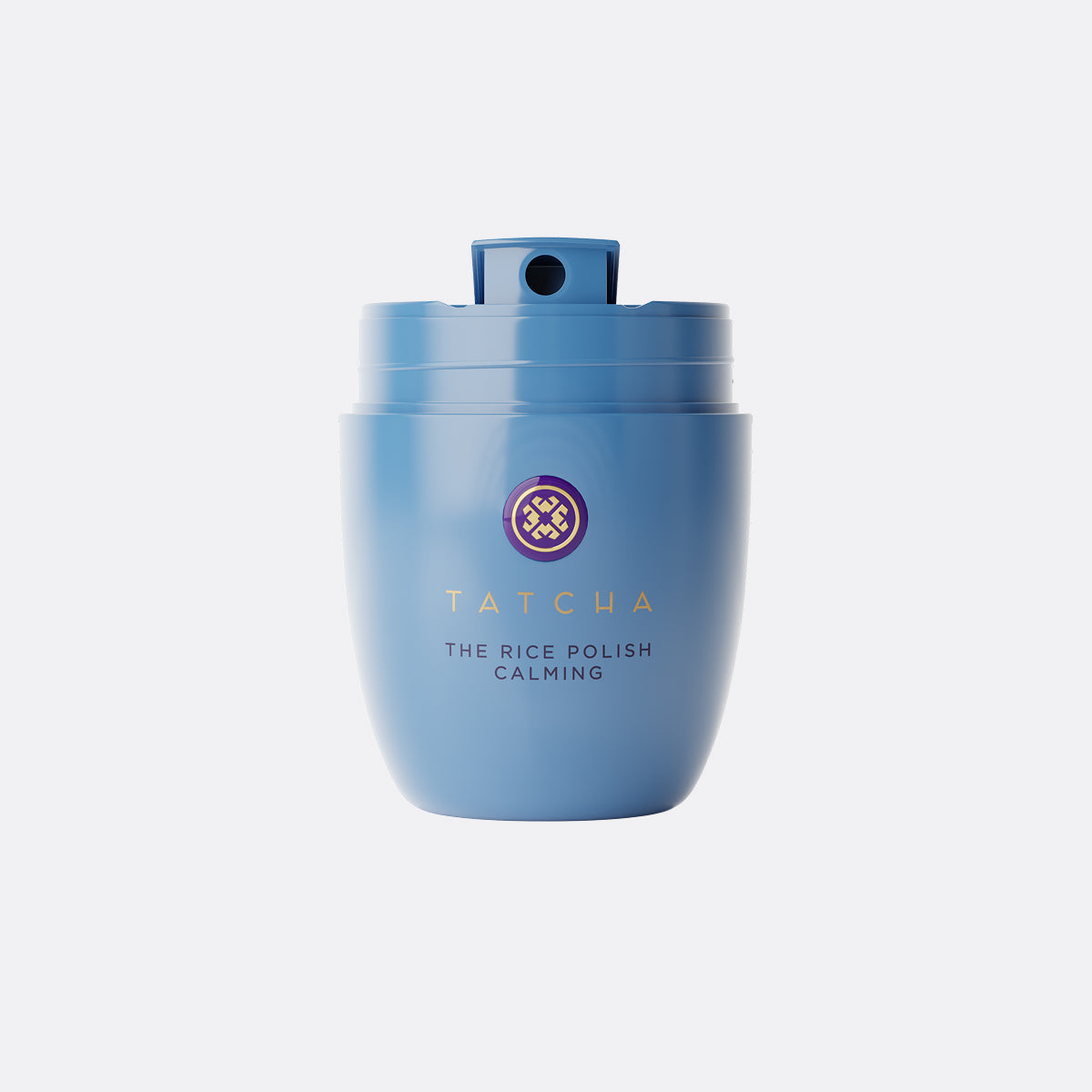
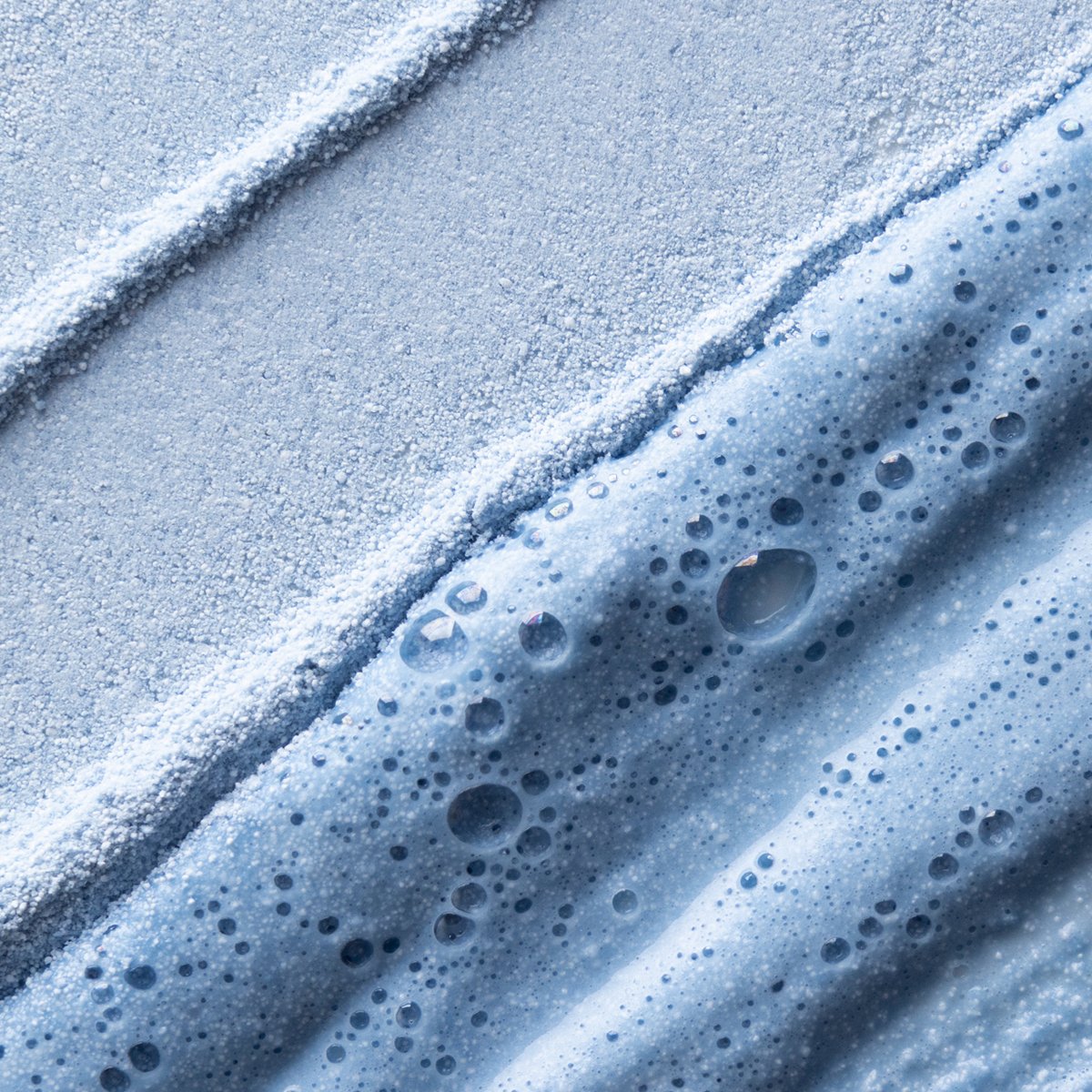
2. Physical exfoliants. Where a chemical exfoliant might employ an alpha-hydroxy acid, a physical exfoliant will use a texture, like a scrub or fine powder, to clear out dead skin. There are some who consider physical exfoliants to be harsh on delicate faces, and there are others who swear by them. The key is to look for ingredients like rice bran that balance gentleness with efficiency. Tatcha’s bestselling Rice Polish: Classic was created with this duality in mind, using finely ground Japanese rice bran as its primary exfoliant. The collection has since expanded into other variations, including The Rice Polish: Gentle and The Rice Polish: Deep, to help more specific skin concerns. All are made with Hadasei-3, Tatcha’s proprietary blend of skin-nourishing Japanese superfoods.
All in all: Whether your questions about cleansing are skin deep or even deeper, Japan might be a good place to go looking for answers.