





Sensitive skin can express itself in a variety of different ways, from redness to dryness to patches of scaliness. Sensitive skincare is much less variable. But the needs of skin are the same across all skin types. The American Society of Plastic Surgeons defines a proper skincare routine as including cleansing, moisturizing, and applying sunscreen among its list of basic skincare steps — a simple framework upon which anyone can build an effective skincare routine.
Step one: A good wash. This first part of your skincare routine sets the stage for the following steps. A face wash should remove makeup, dirt, and other buildup as gently as possible, so that treatments like serums or creams can reach the dermis. Nowadays, many cleansers are formulated to do more than simply cleanse with the addition of hydrating or exfoliating or brightening ingredients. New technologies are introduced constantly, and adopted into the market quickly.
Just as sensitive skin needs to be washed, sensitive faces need to be careful about the kinds of face washes they use. Sensitive skin is defined by its tendency to react to materials and substances that don’t usually cause reactions. If you have sensitive skin, the odds are that you pay close attention to the things your skin comes into contact with, and your cleanser is probably no exception. But there are plenty of formulas that are designed to fit your sensitive skin, and whatever expressions come with it.
How do I wash my sensitive skin?
The most basic rule of sensitive skincare could be described in one word: Caution! If it seems like you’re using too much pressure, or product, or stinging, or heat, then chances are it is. The American Academy of Dermatology warns against scrubbing the skin — instead, try massaging skin gently with your fingertips. Try not to overwash, or cleanse too frequently, either. Most people wash their face twice each day, most importantly before bed.
Those with sensitive skin usually have a good idea of what potential irritants don’t work for them, and choose products accordingly. For some, it’s fragrance; for others, it’s acids; for everybody, it’s a little different. Patch test products, pay attention to your skin’s reactions, and always talk to your dermatologist about the products you use.
The best face wash for sensitive, acne-prone skin
When dealing with acne, it’s tempting to want powerful cleansers that make skin squeaky clean, or utilize strong exfoliants. Add sensitivity to the mix, and these sorts of cleansers can spell disaster. Or worse: Reaction.
But the instinct isn’t wrong. Acne is often caused by bacteria from leftover makeup or unwashed pollutants, so the need for a good—and gentle—cleanse is paramount with this unique skin type.
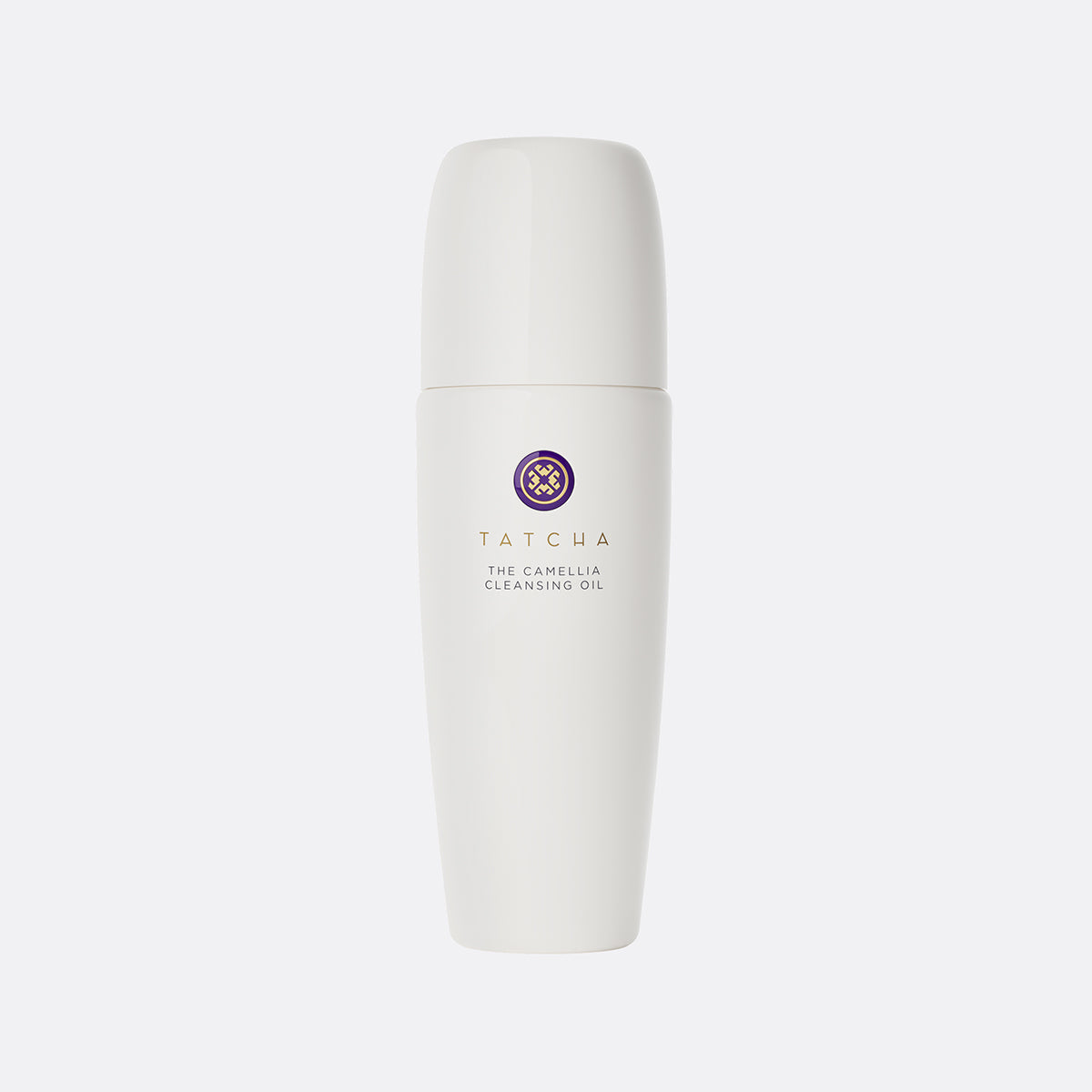
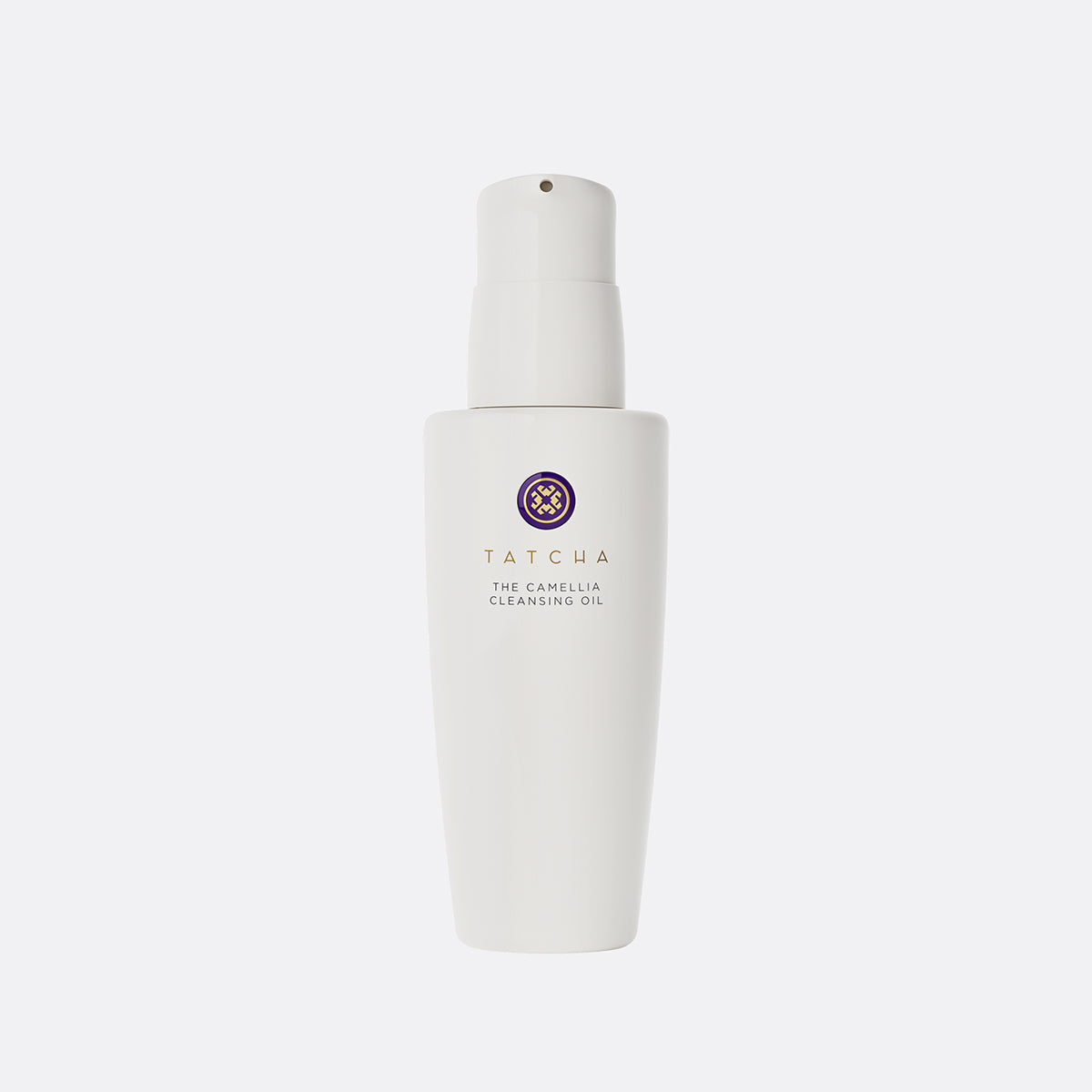
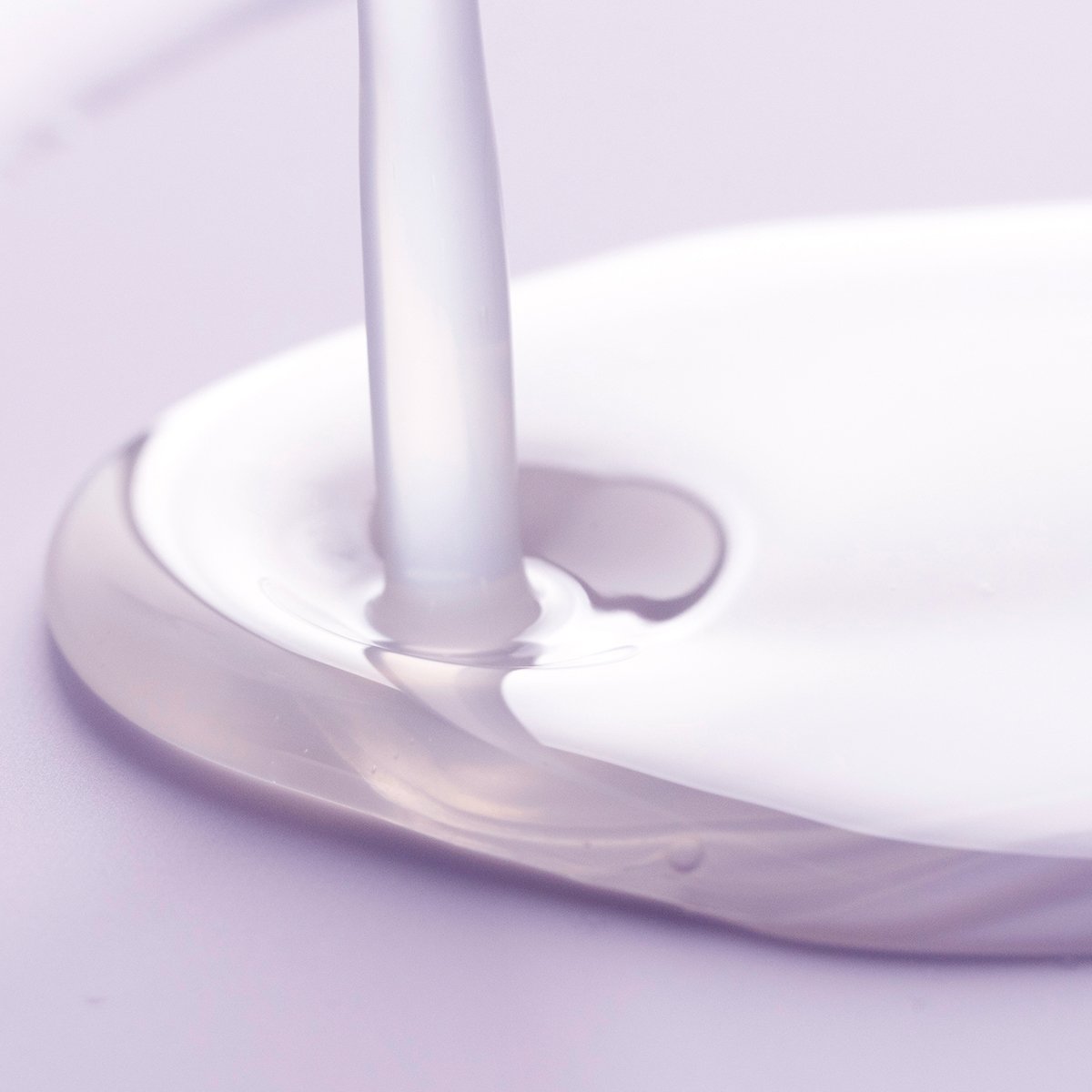
Our skincare was inspired by Kyoto’s geisha, who would perform beneath layers of makeup and took meticulous care of their skin. According to some of Japan’s earliest beauty-related texts, geisha used tsubaki, or oil from the camellia flower, to remove their makeup while also respecting their soft, silk-like skin. That ritual inspired the Camellia Cleansing Oil, which melts makeup, cleanses skin, and imparts skincare ingredients in a single step. Oils may seem counterintuitive on acneic skin, which often exhibits an oily texture, but dermatologists love them for how easy they are on skin’s acid mantle.
The best face wash for sensitive skin and rosacea
From a dermatologist’s perspective, there are different types of rosacea, from vascular rosacea to ocular rosacea. But most people are familiar with how rosacea generally appears: As a red, inflamed rash. Unlike acne or eczema, which often arrive with texture symptoms—in bumps or scaly patches—rosacea looks much less serious at first. Left untreated, however, it could cause bumps or skin-thickening.
Rosacea is caused by inflammation beneath the skin. Like eczema, another skin issue caused by an inflammatory response, experts aren’t sure exactly what causes rosacea, but according to the Mayo Clinic, the reaction “could be due to an overactive immune system, heredity, environmental factors or a combination of these.” Dermatologists advise twice-daily cleansing and moisturization, and patch testing all products. They also recommend looking into rosacea-friendly skincare ingredients, and avoiding potential irritants.
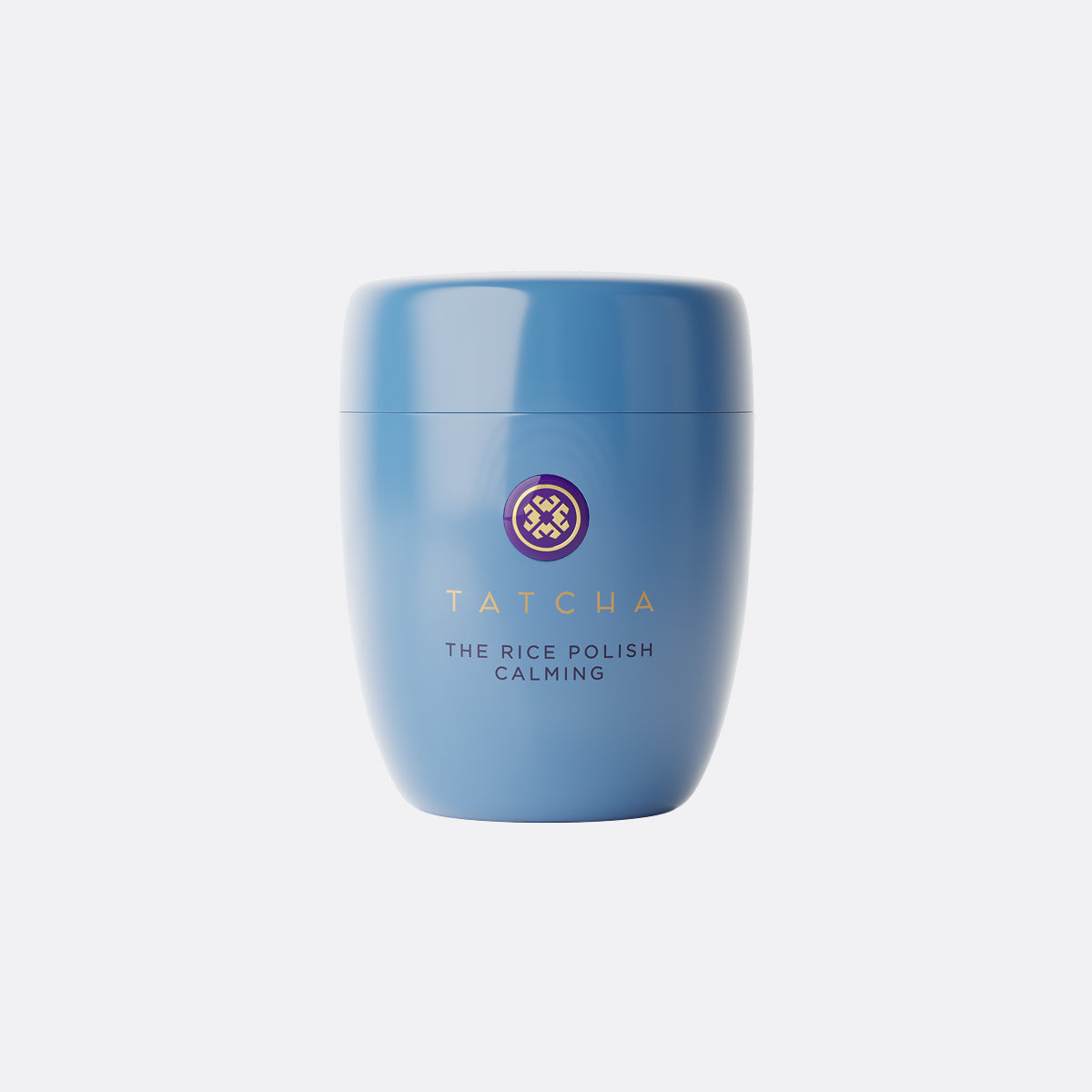
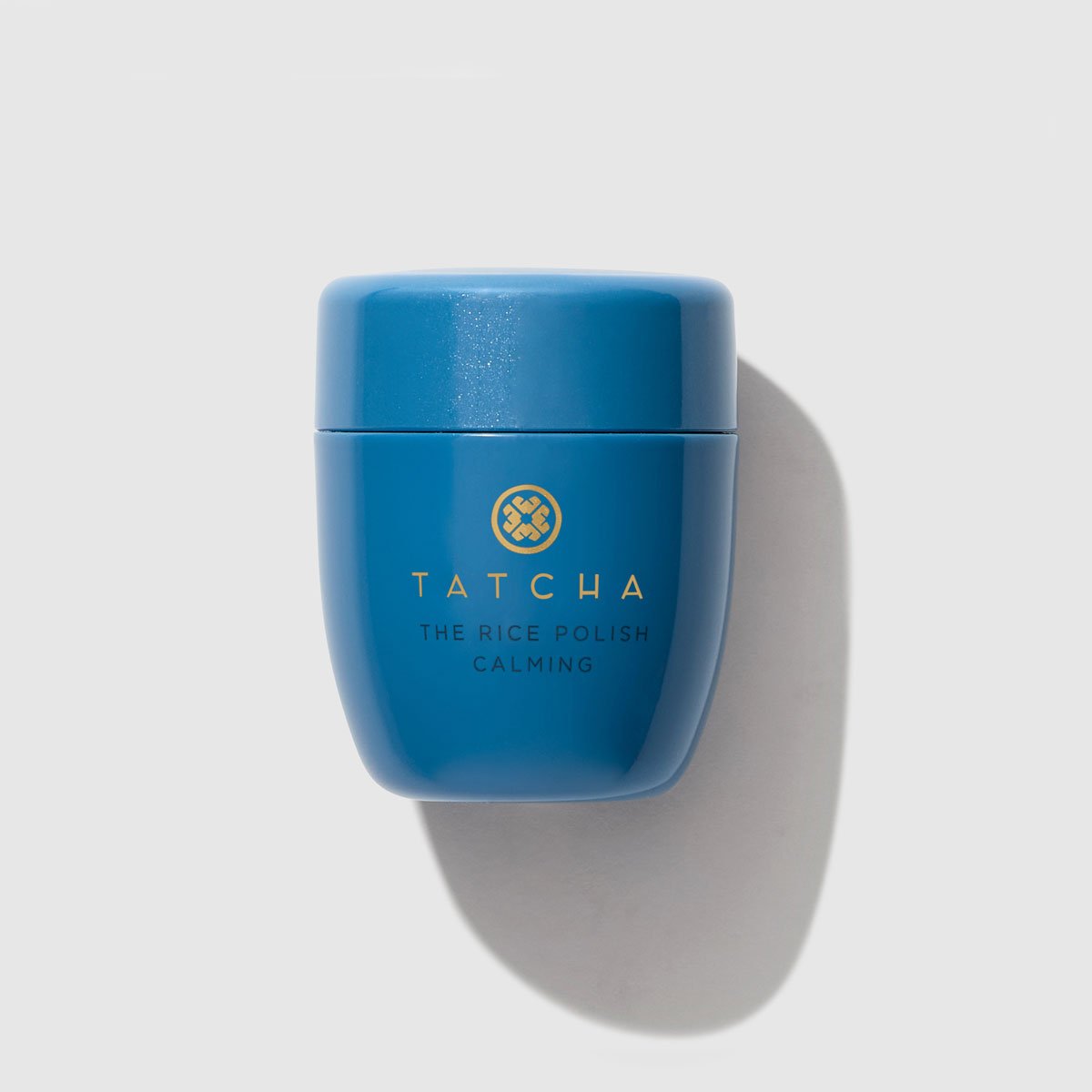
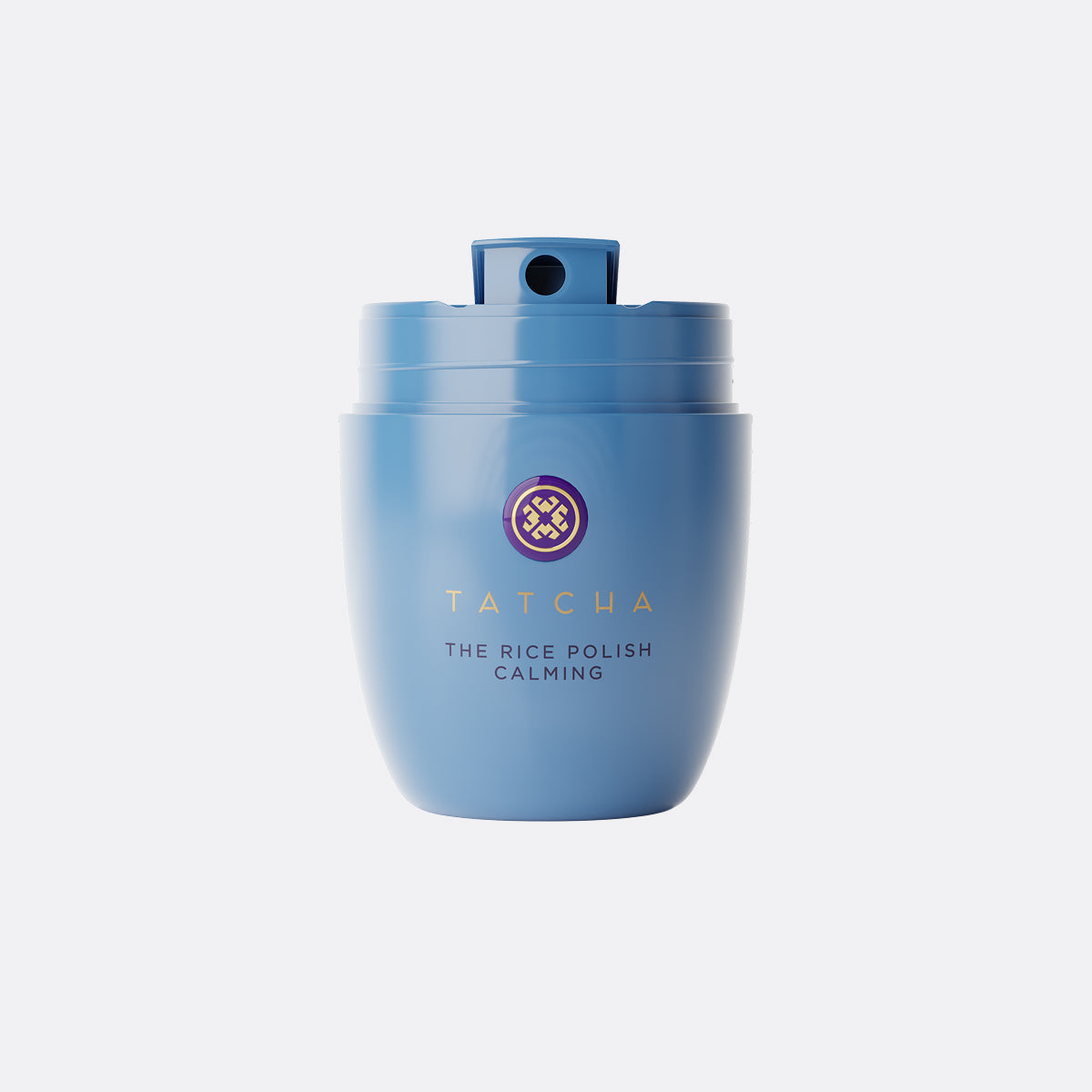
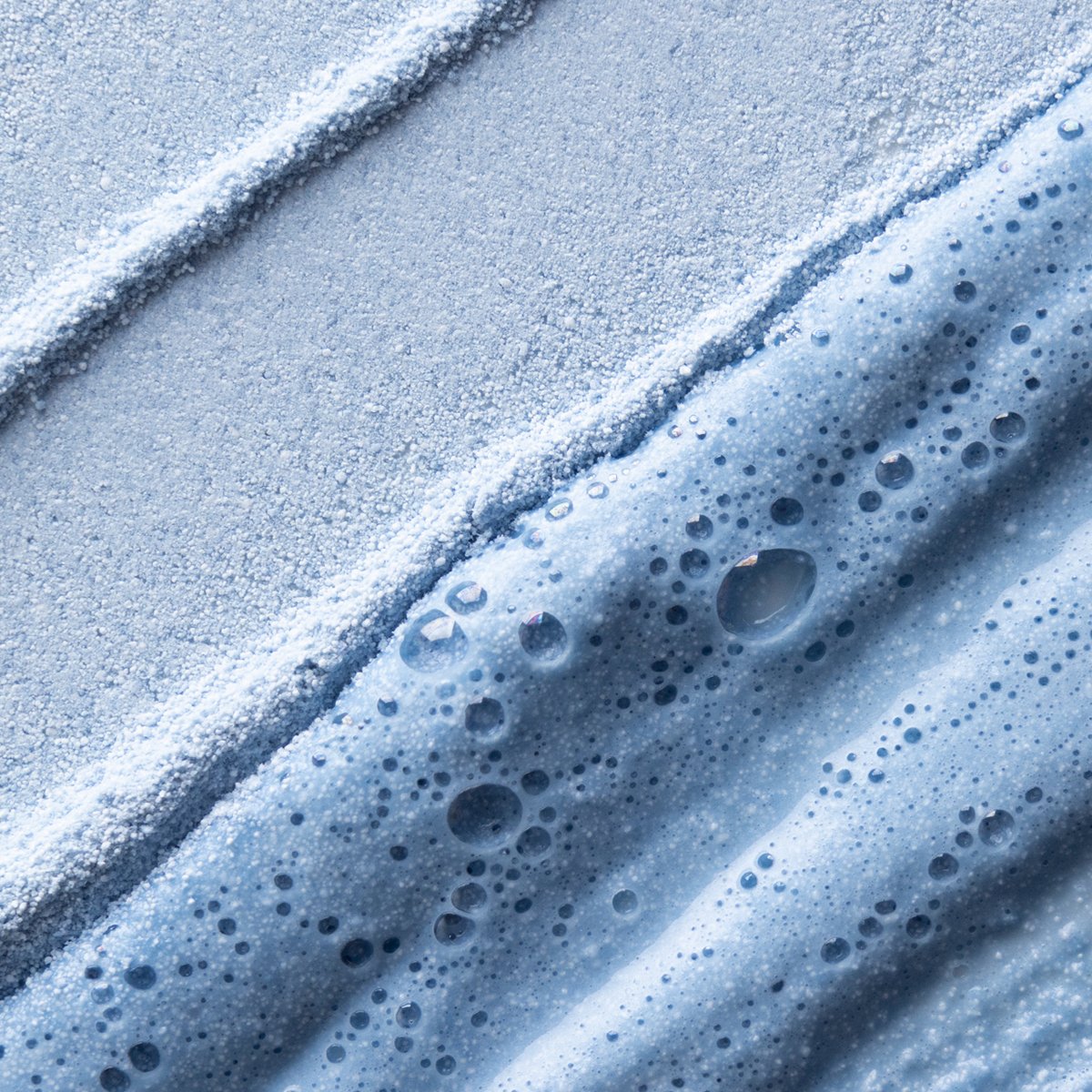
At Tatcha, we make frequent use of Japanese indigo extract for its powerful palliative benefits. In Japan, the plant is prized for its anti-inflammatory and antibacterial benefits. Indigo’s active ingredients lend themselves to soothing skin—Tryptanthrin is a nitrogen-rich compound that helps flush away toxins and irritants, and Indirubin supports the skin’s natural barrier function. The ingredient is included in many of our soothing formulas, like the Calming Rice Polish, which infuses Japanese botanicals—like indigo, Okinawan red algae, green tea, and more—to nourish and maintain skin’s health, and keep reactions at bay.
The best face wash for sensitive skin and eczema
Eczema, like rosacea, is caused by inflammation—but it looks a little different. In addition to redness, eczematous skin often becomes dry, itchy, and bumpy, at least according to the Cleveland Clinic. The roots of eczema aren’t clear, but it’s a common issue affecting just over 10% of Americans.
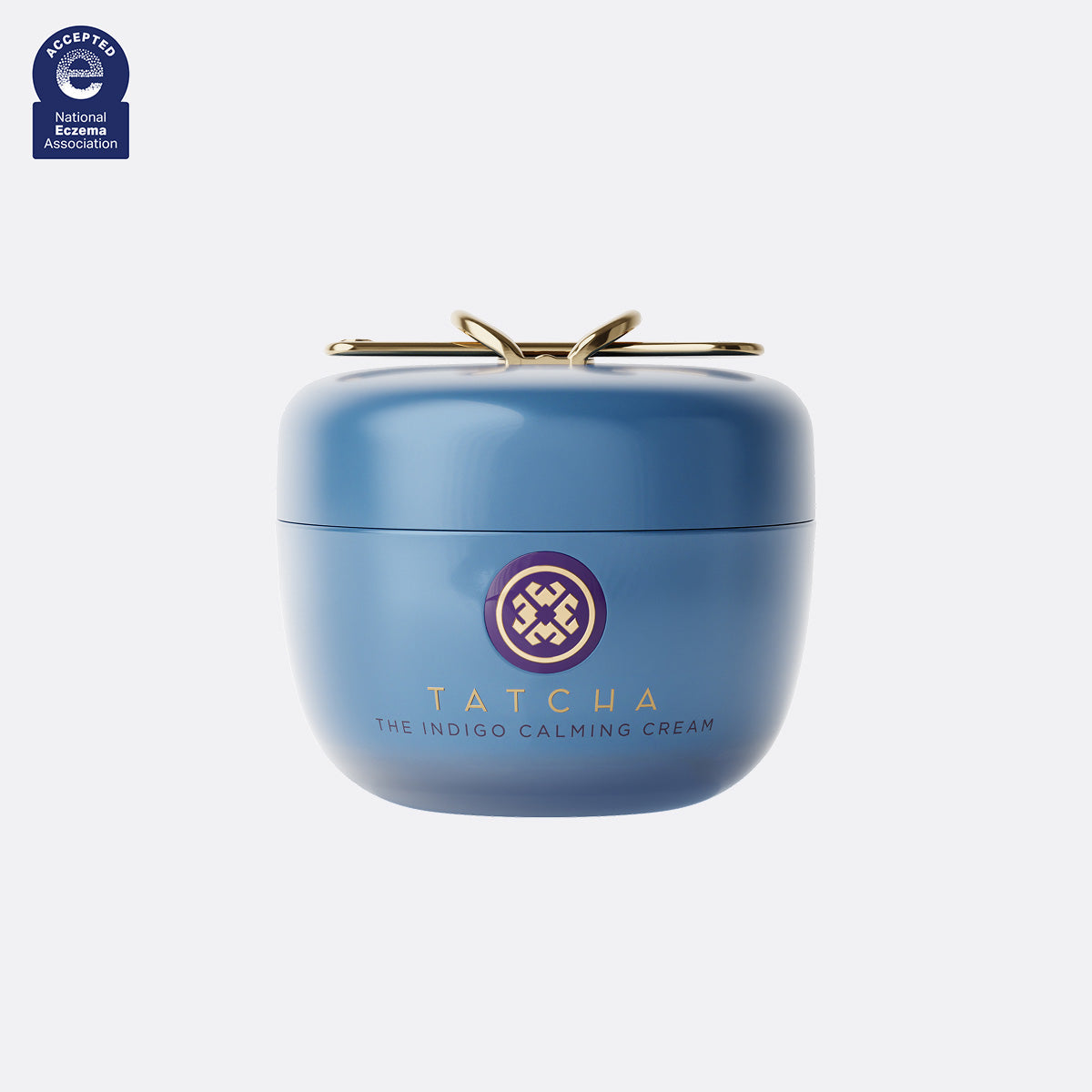
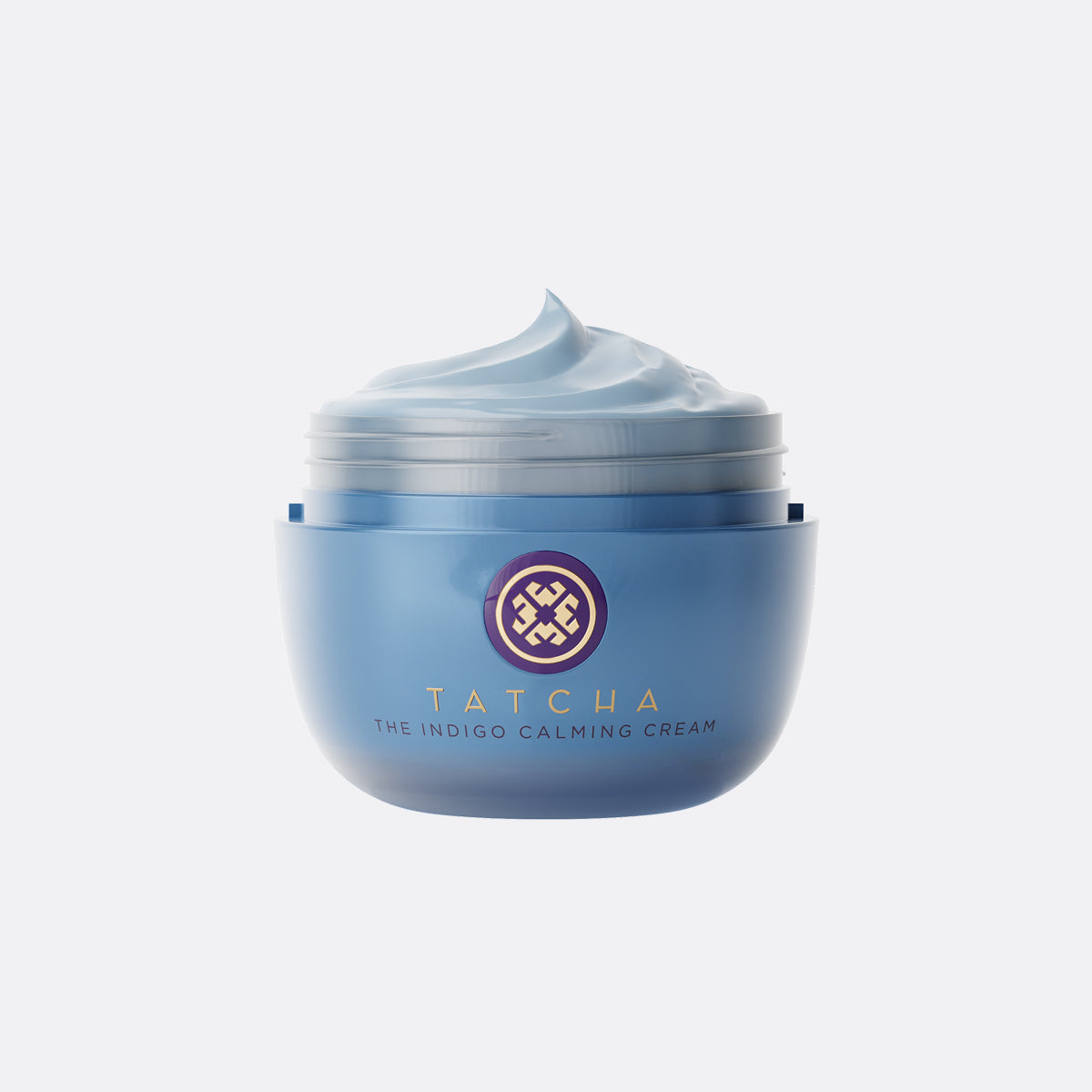
The National Eczema Association often issues seals of recommendations to products that have proven to be effective on eczematous skin. (The Indigo Cream has earned this designation for its ability to soothe skin—in ancient Japan, samurais wore inner layers of indigo-dyed cotton beneath their armor to help speed their healing, and the dye was also lent to the uniforms of firefighters to help protect against burns.) Some other ingredients that are great for eczema include colloidal oatmeal, algae, and squalane, and many of these are commonly found in face wash formulas.
The Indigo Cleansing Balm was formulated with sensitive skin top of mind. It’s crafted with Japanese indigo to visibly calm as it cleanses, replenishing the skin's moisture barrier for smooth, soothed skin. It melts makeup with ease—and keeps even reactive skin calm in the process.
The most important way to care for eczema, rosacea, acne, or sensitive skin in general is to go easy. Though it’s necessary to properly wash skin, harsh active ingredients or abrasive applications can do more harm than good. If you treat sensitive skin with tender care, glow will certainly follow.