




The concept of acne-prone skin often conjures up images of oily skin—but dry skin can experience acne, too. Keep reading to understand why dry skin can cause acne, and how to help reduce possible breakouts on dry skin.
Can Dry Skin Cause Acne?
Plain and simple: yes, dry skin can cause acne. “Dry skin is irritated skin,” says the American Academy of Dermatology. “Anytime you irritate your skin, you risk getting more acne.”
While the AAD is referring to drying out skin with aggressive astringents and acne treatments until skin is desert-level dry, naturally dry skin types can also deal with acne. This is because your skin naturally wants to live in equilibrium, but consistent dryness can cause pores to overcompensate and produce excessive oils and sebum, which can lead to breakouts.
Additionally, as skin ages, it’s been shown that increased transepidermal water loss leads to dry skin and reduced barrier function. This natural process can also increase acne due to a lack of moisture and a compromised barrier.
How to Address Acne with Dry Skin
While oily skin types can have success targeting blemishes with traditional acne treatments, those with dry skin can experience even more dryness with these products, thus making it nearly impossible for dry skin to consistently use. But with a few best practices, dry skin can safely utilize tips to address blemishes.
Hydrate
When employing products that target acne, it’s important to consistently utilize other products that nourish, calm, and hydrate the skin. Reach for gentle formulas when it comes to cleansing and moisturizing, so you can add moisture back to the skin whenever possible. Cleansing can be particularly harsh on dry skin, so grab a calming face wash that soothes the skin’s barrier, rather than aggressive formulas that can damage it.
Additionally, those experiencing acne may be tempted to shy away from moisturizers, fearing it will cause further blemishes—but that couldn't be further from the truth. A well-formulated moisturizer can help the skin feel balanced, control excessive oil production, and leave skin looking radiant and luminous.
Support the Skin Barrier
As we’ve previously highlighted, the skin barrier is basically just your outer layer of the skin and a healthy barrier equates to healthy skin. To repair and support your skin, aim for a gentle cleanser, a thoughtfully crafted moisturizer, a broad-spectrum sunscreen, and a healthy lifestyle. While a healthy life is an internal focus, using a simplified ritual that supports the barrier is not only simple but also effective.
Use Acne Treatments Sparingly
While it’s tempting to use a hefty dose of blemish-focused treatments as frequently as possible to rid spots quickly—you’re far more likely to not only cause severe damage to the skin (and barrier), but also get more blemishes in the process (from the damaged barrier and excessive dryness). The best course of action is to follow a product’s usage recommendation and go slow and steady, says the AAD. They also suggest applying a moisturizer made for acne-prone skin, twice a day to address dryness.
Best Products to Address Dry Skin and Acne
The tricky combination of dryness and blemish can be difficult to address, but paring down the routine into a few, effective products will help not only address acne, but also support the skin overall.
Barrier-Supporting Cleanser
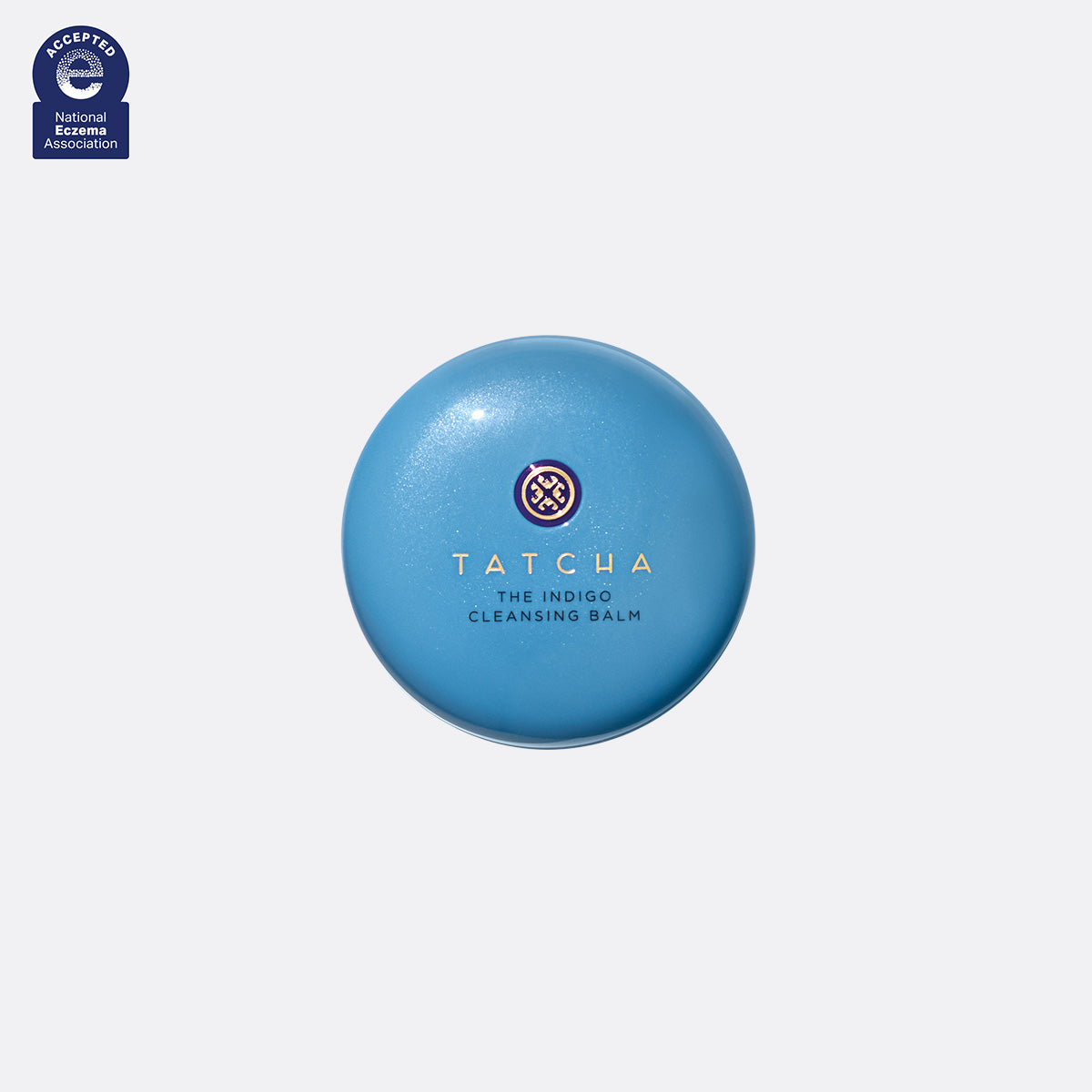
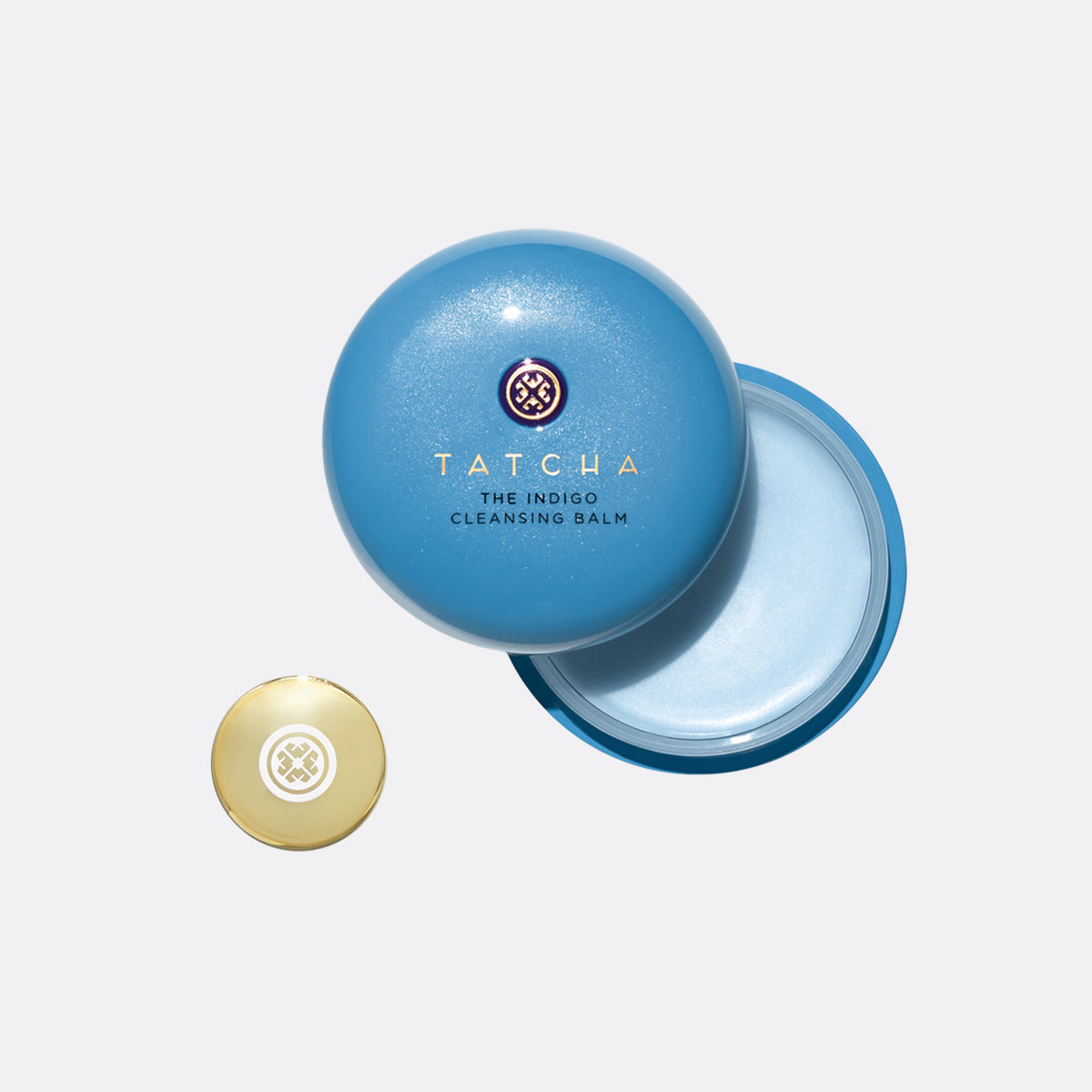
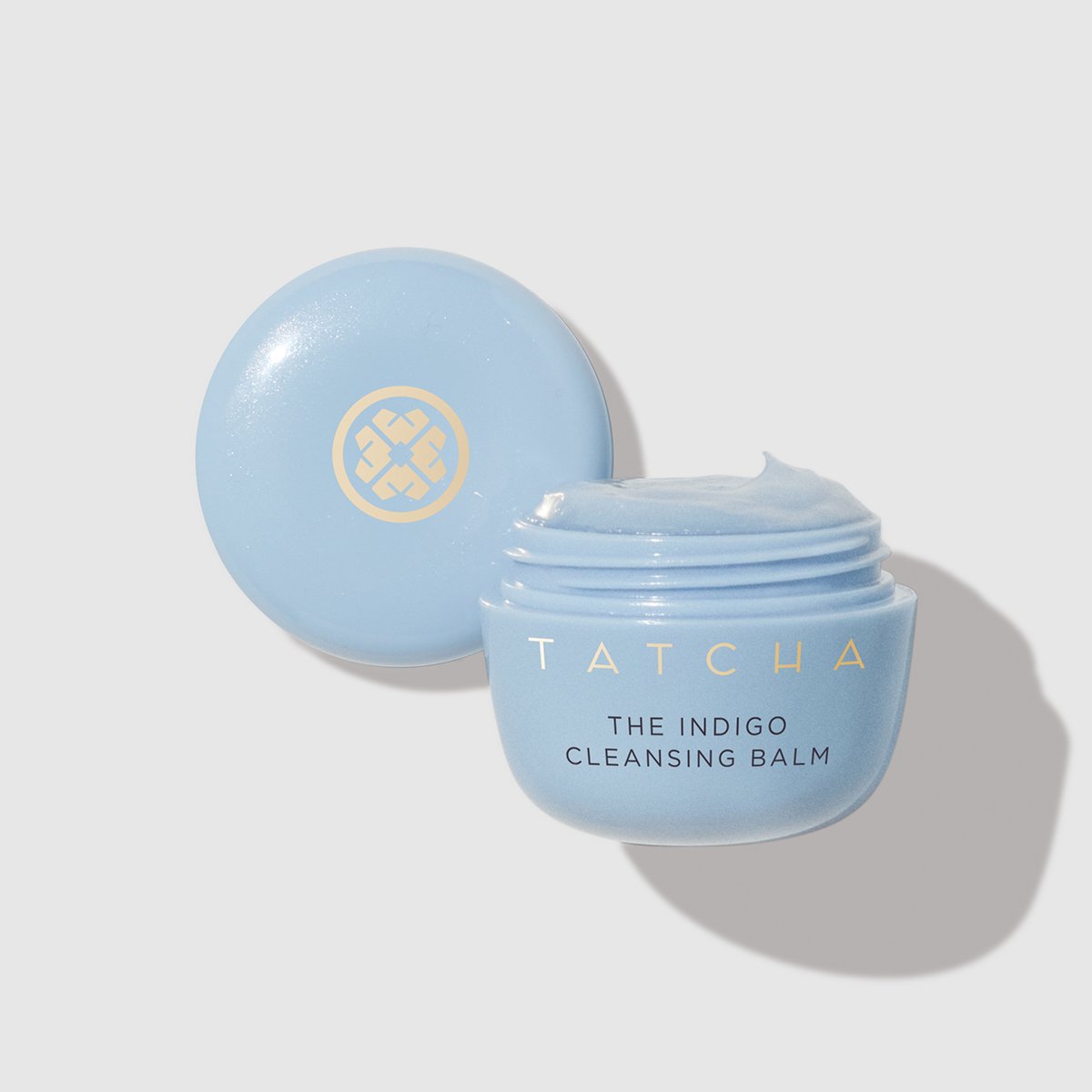
Cleansing is vital for the health of the skin, but harsh formulas can strip the barrier’s oil, leading to more damage. A calming, nurturing cleanser (that still effectively cleanses) is necessary. Try one of Tatcha’s newest innovations: The Indigo Cleansing Balm. This skin-strengthening formula instantly calms visible irritation, while also supporting and transforming the barrier. It still effectively cleanses though, efficiently removing even waterproof makeup. The results are stunning, too: In clinical studies, 100 percent of participants demonstrated an improvement in barrier function after just one week of use.*
Unlike harsh cleansers, The Indigo Cleansing Balm also soothes visible irritation and replenishes moisture—strengthening the skin barrier so it can help prevent future damage for smooth, calm, and radiant-looking skin.
Hot (but not literally) tip: The Cleveland Clinic suggests cleansing with warm – not hot – water. Hot water strips the natural oils, too.
*Based on bio-instrumentation (TEWL) clinical study on 40 panelists.
Pore-Minimizing Liquid Exfoliant
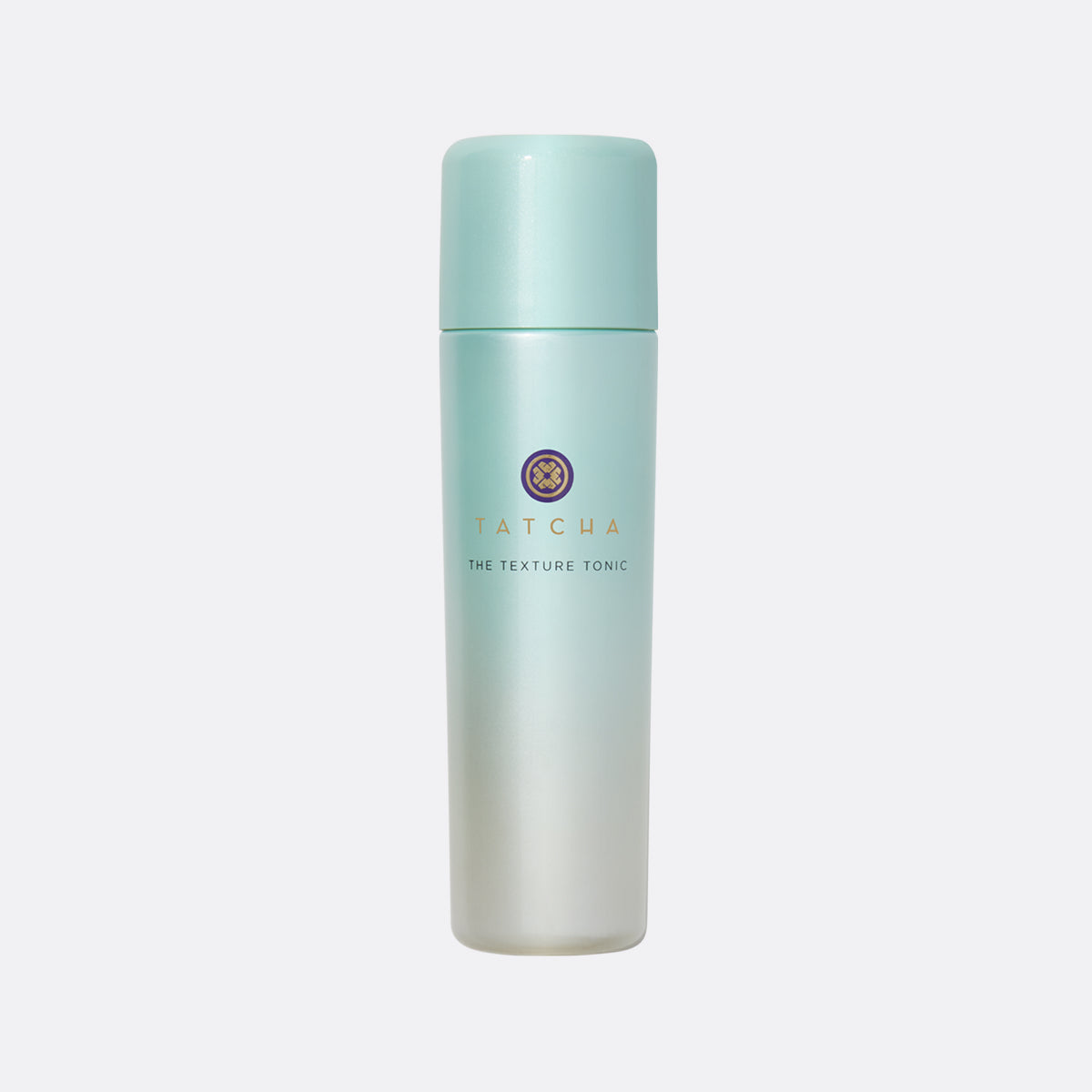
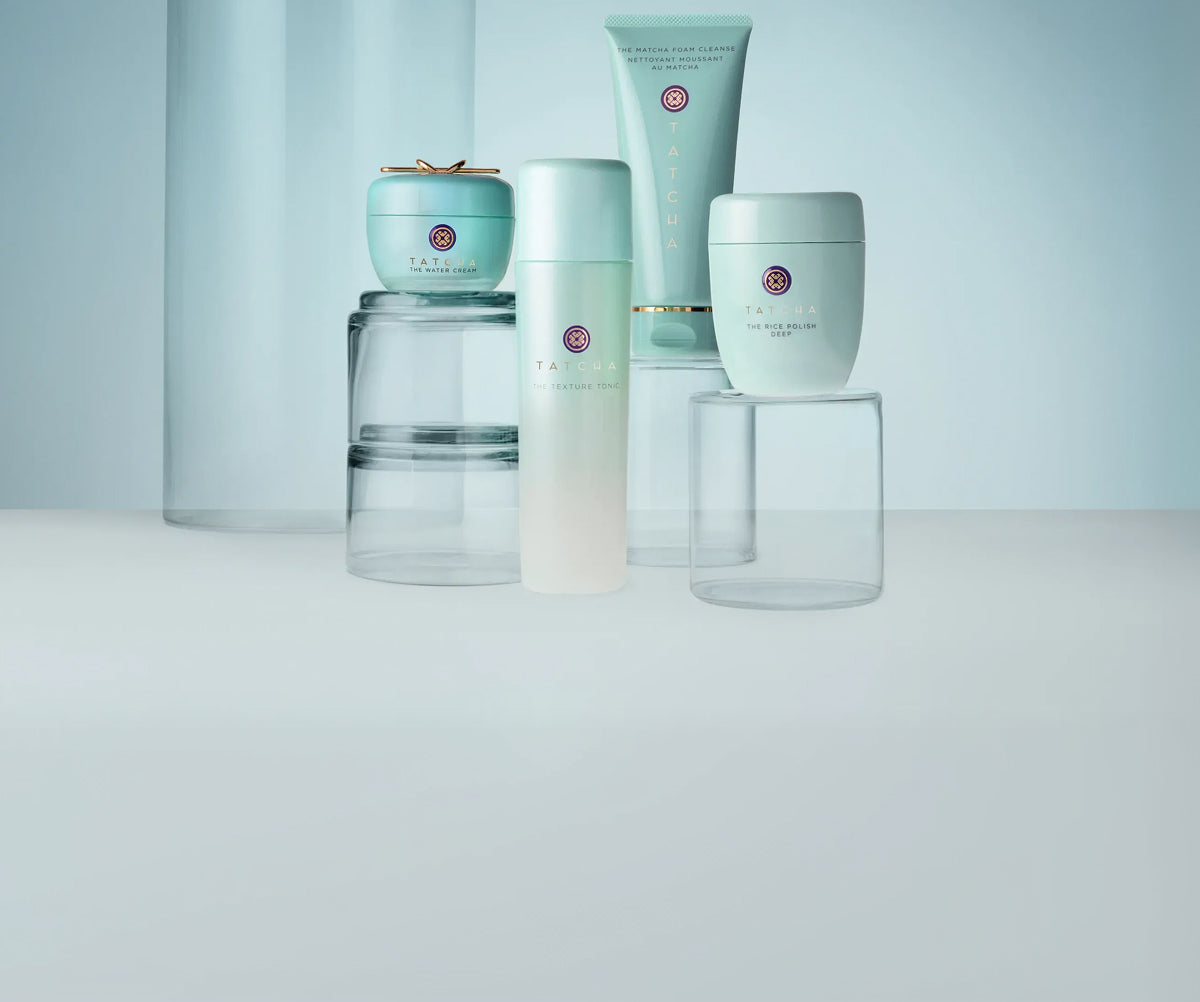
An exfoliant can make pores appear less noticeable, says the AAD. It can also help to ease excess oil, sebum, and dead skin cells—all causes linked to blemishes. But, famously, exfoliants can be irritating—until now. Consider The Texture Tonic, a liquid exfoliating treatment that has AHAs to address dead skin cells and clogged pores, as well as niacinamide and wild rose to visibly even skin tone and texture—without stripping skin’s essential moisture. The formula is still gentle enough for dry and sensitive skin types, helping to visibly calm redness and irritation with Japanese mugwort, while addressing skin’s appearance.
Lightweight Hydration
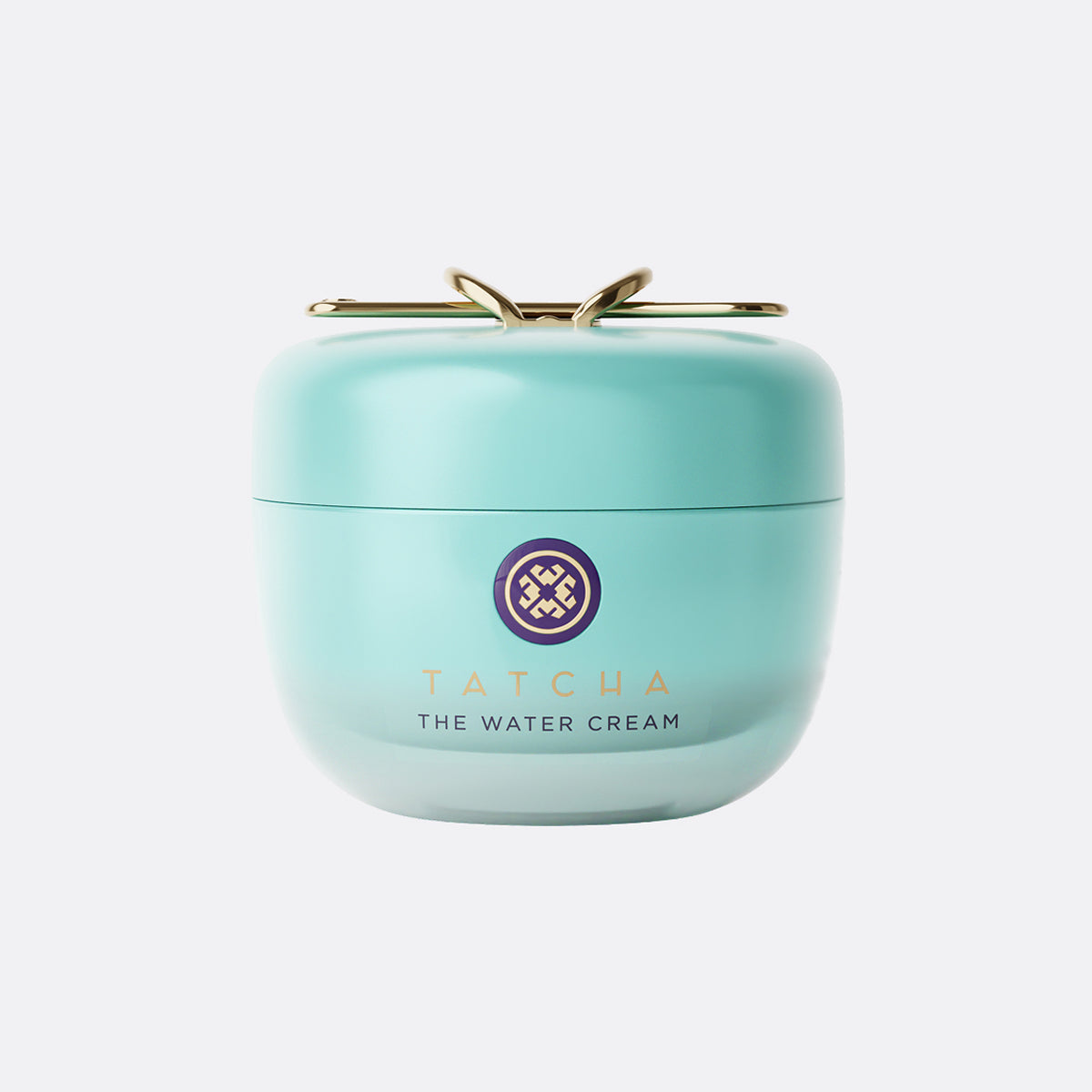
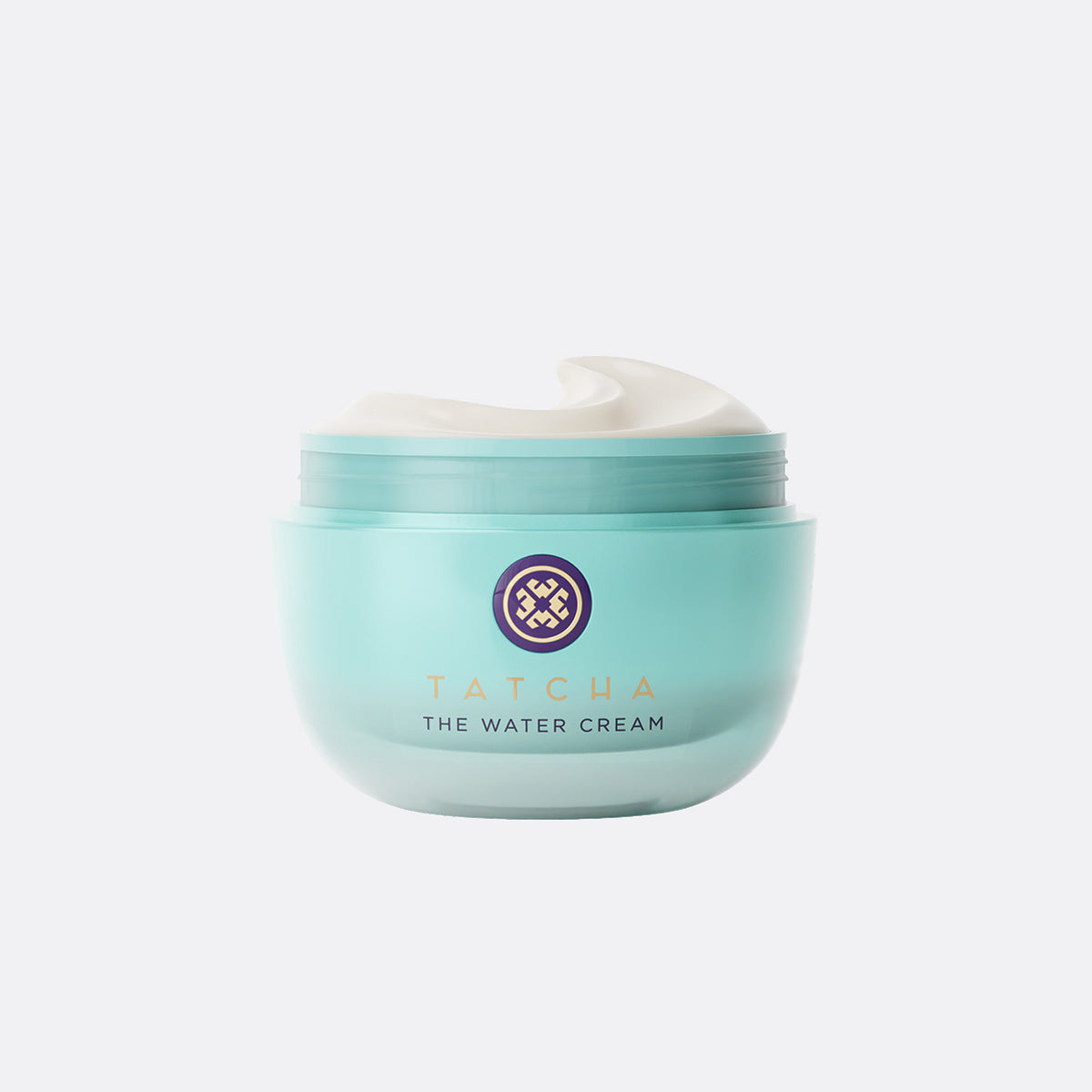
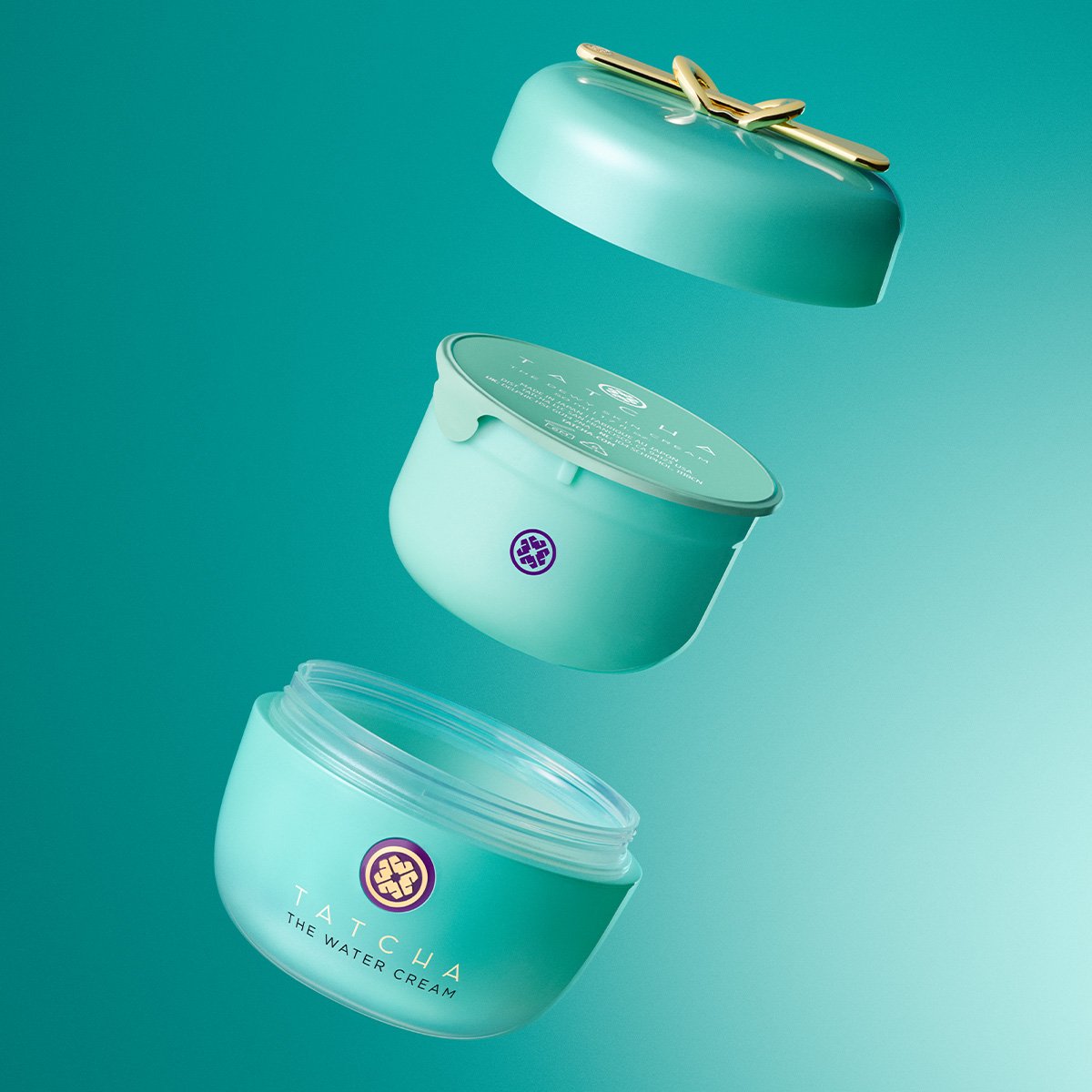
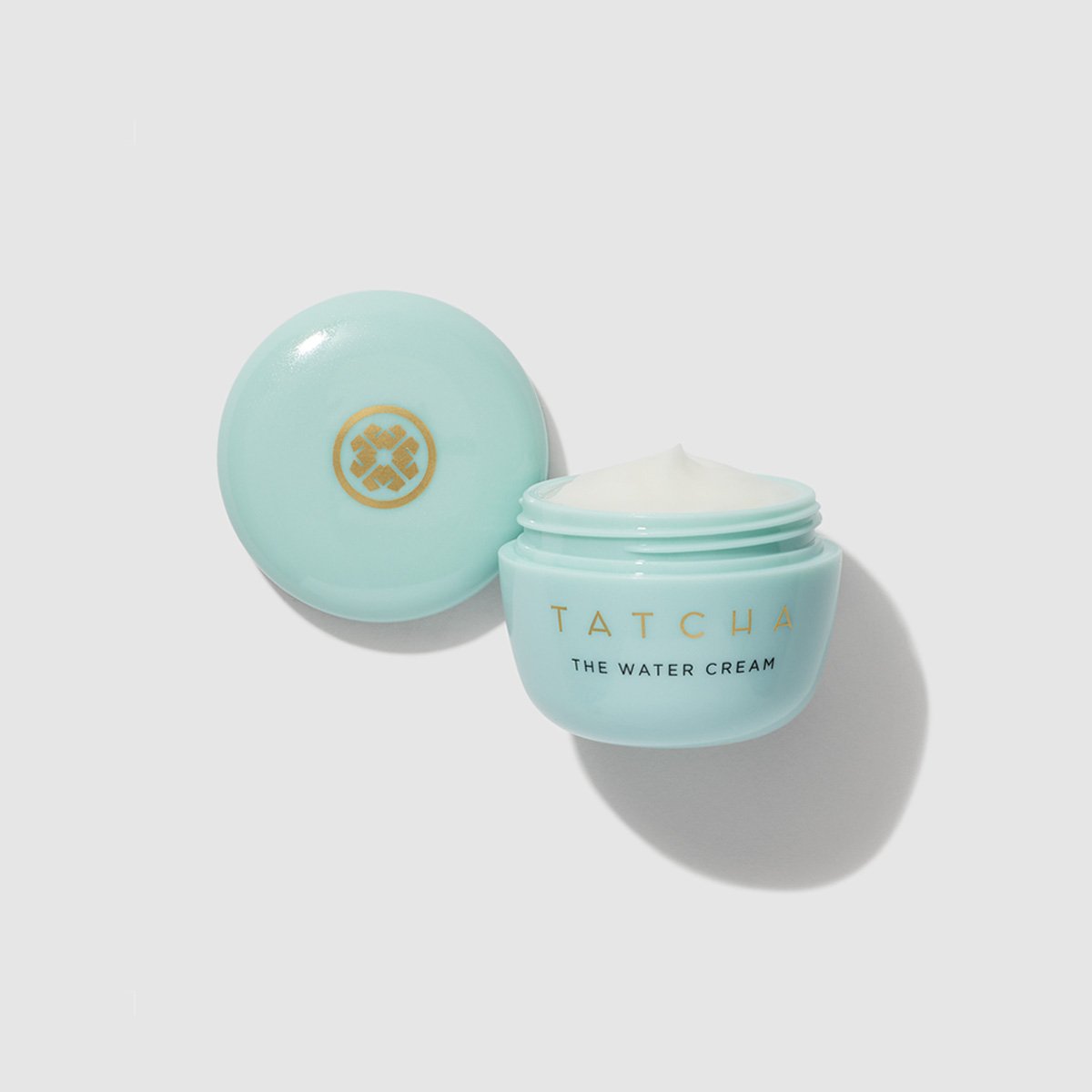
The best face cream for dry skin can often be a cream or ointment—but that’s not always the best fit for acne-prone skin. Try The Water Cream, which addresses both hydration and excessive oil in a single lightweight, clarifying cream. In a consumer study, 95 percent of users noted their skin looked brighter and more moisturized and 85 percent of users noted their pores appeared smaller.**
**Based on a twice daily use for four weeks, in an independent consumer study of 20 women.
A Hydrating Sunscreen
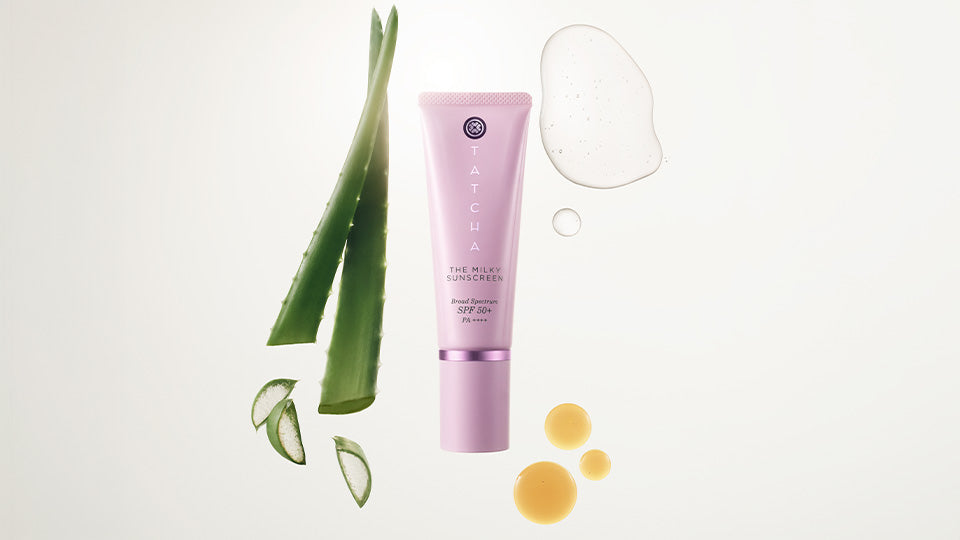
Prioritize UV protection with a broad-spectrum sunscreen every day. After all, it’s been shown that sun exposure can trigger or worsen acne. That said, if you have dry skin that’s acne prone, sunscreen options can often be difficult to find, as many can trigger dryness, blemishes, or even irritation. Try The Silk Sunscreen, a non-comedogenic, broad-spectrum formula that hydrates and protects against UVA and UVB rays with 10 percent zinc oxide for a mineral, reef-safe filter. Not only does the Silk Sunscreen feel impossibly light, but the formula also includes niacinamide to reduce redness and visibly even skin tone and firm the look of pores. Also, to address dryness, hyaluronic acid helps to immediately boost skin’s natural moisture levels, softness, and skin tone.
While experiencing acne with dry skin can feel impossible and frustrating to treat, sticking to a healthy lifestyle and routine—and being patient and consistent—is the key. Putting the care back into your skincare routine is the first step to addressing both dryness and blemishes.