


Did you know that, even though dry skin and dehydrated skin are often interchanged in conversation, they are actually not one and the same? While your skin may show semblances of one or the other, it is important to decode the differences between them so that you can treat your skin with the utmost care. Keep reading to discover the differences between dry skin and dehydrated skin, along with skincare rituals to saturate your skin with moisture and radiance.
The Difference Between Dry & Dehydrated Skin
Dry skin is a skin type, while dehydrated skin is a skin condition. In its simplest terms, you are naturally born with your skin type. Conversely, your skin condition is what occurs to your skin based on a variety of factors, including dehydration, acne, and irritation. Skin conditions can happen to anyone, at any time.
Those with dry skin types will find that their skin lacks oil. Your skin produces less sebum than normal skin, which means it is without the lipids it needs to retain moisture. The dryness can occur all over your body, from your face and scalp to your hands and legs. While you drench your skin with moisture and hydration, those moisturizers and lotions tend to sink in and be soaked up quickly. Dry skin can also be accompanied by flaking, cracking, sensitivity, itchiness, or skin conditions such as eczema.
Dehydrated skin means there is a lack of water in your skin. When your skin becomes dehydrated, it creates more oil to make up the difference and try to regain its lost water—which can lead to breakouts, irritation, and dry patches. Dehydration also affects all skin types, including oily skin.
Here is a further breakdown of the characteristics of dry skin vs. dehydrated skin.
Characteristics of Dry Skin
- Feels rough or appears flaky
- Lacks oil, so moisturizers absorb quickly
- Can crack, especially on hands, scalp, and legs
- Often sensitive or itchy
- May accompany conditions like eczema
Characteristics of Dehydrated Skin
- Looks dull
- Feels tight or rough
- Can show excess oil with dry patches
- Prone to breakouts and irritation
- Shows accelerated signs of aging, including sagging, fine lines, and wrinkles
What Are the Common Causes of Dehydrated Skin?
Dehydrated skin can be influenced by many factors, including:
- Aging
- Climate changes, including extreme cold, extreme heat, or low moisture levels in the air
- Dietary habits
- Smoking and alcohol
- UV exposure
How to Treat Dry Skin
We recommend incorporating oil-based or cream-based products into your skincare routine. Dry skin benefits from skincare products that infuse the skin with moisture and nourishment.
Begin by cleansing with a gentle cleanser, such as The Rice Wash—a gently effective cream cleanser that washes away impurities without stripping skin. This is thanks to a pH-neutral amino acid base that helps to balance your skin’s pH levels, and Japanese rice powder, which is used in classical Japanese cleansing rituals to naturally soften skin, boost luminosity, and keep the skin moisturized.
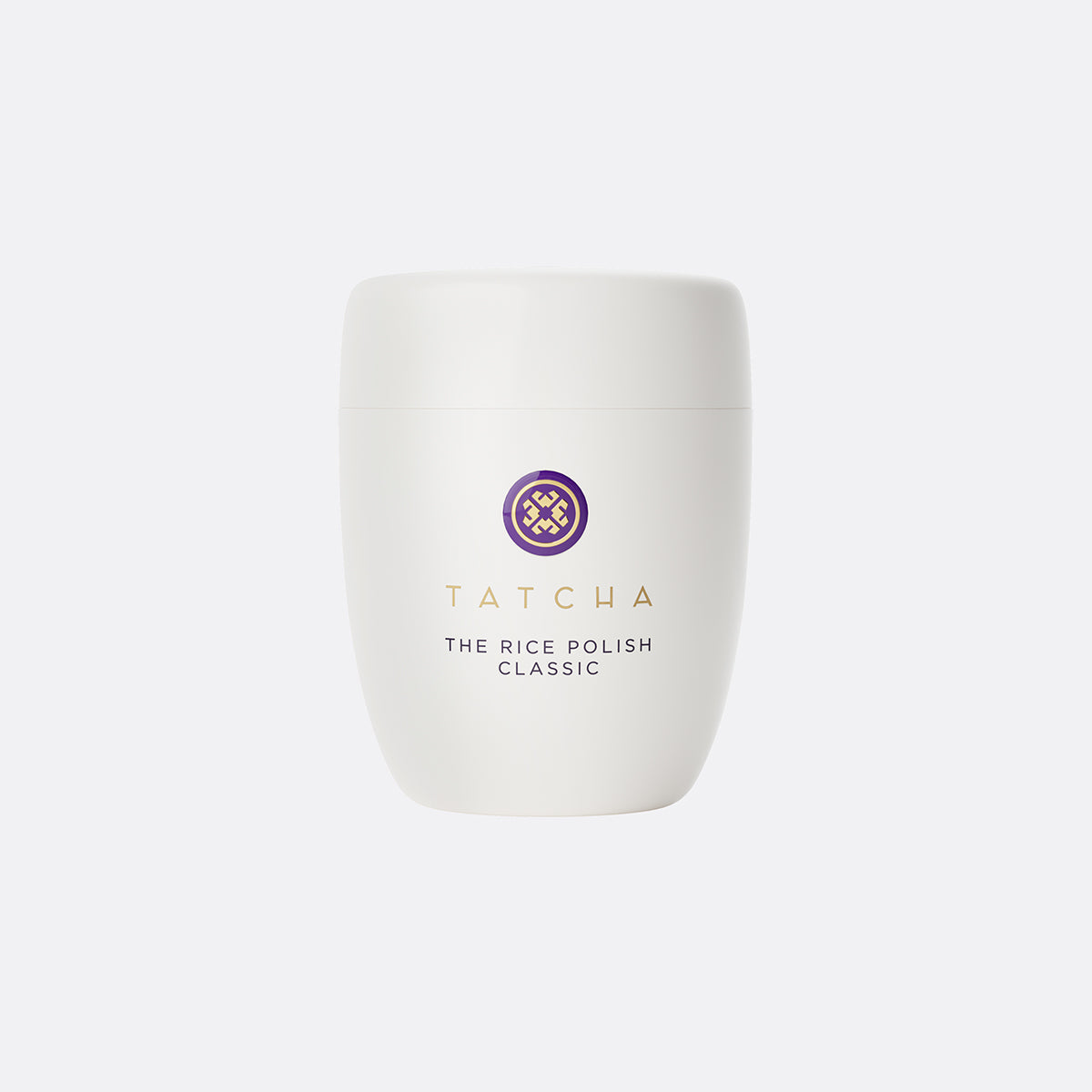
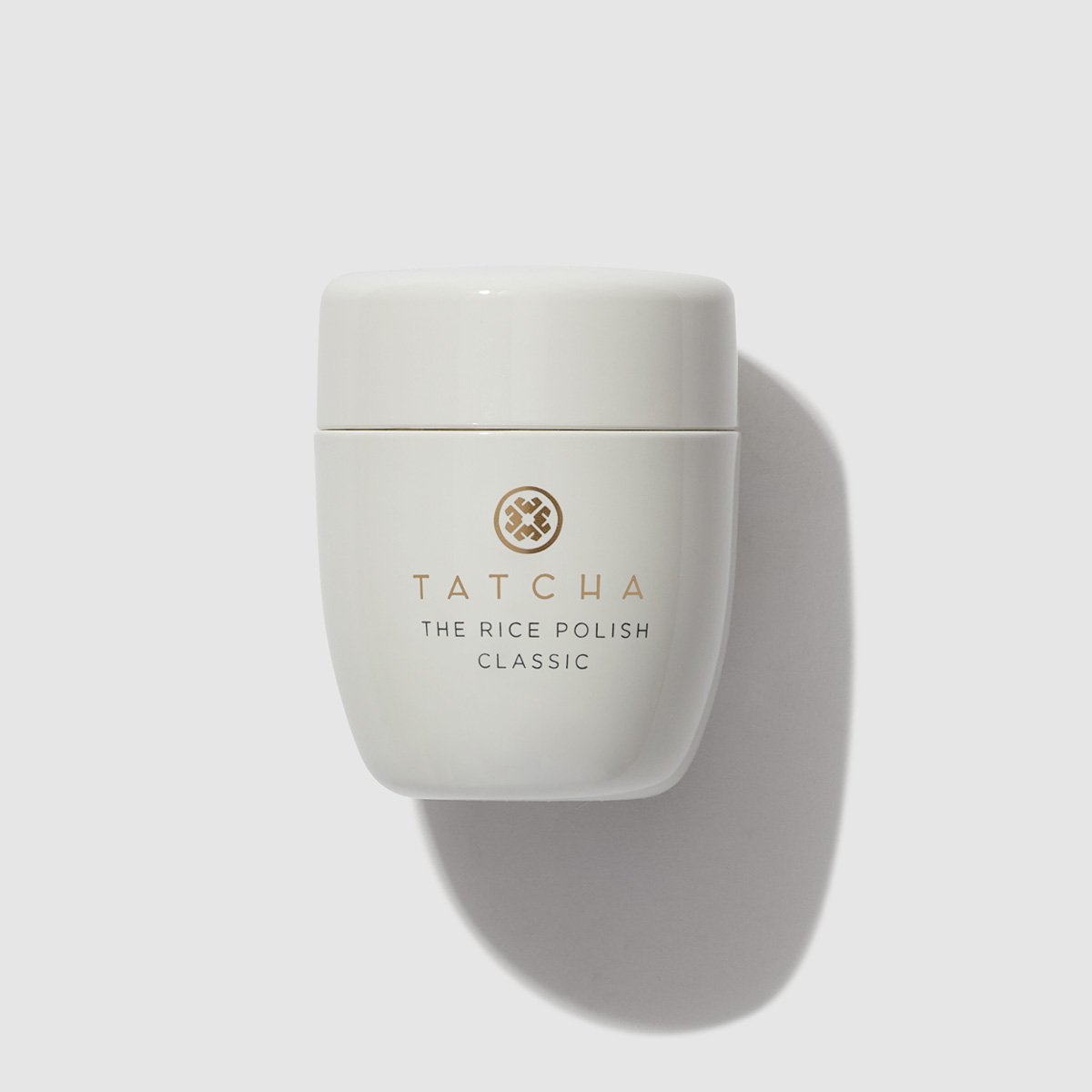
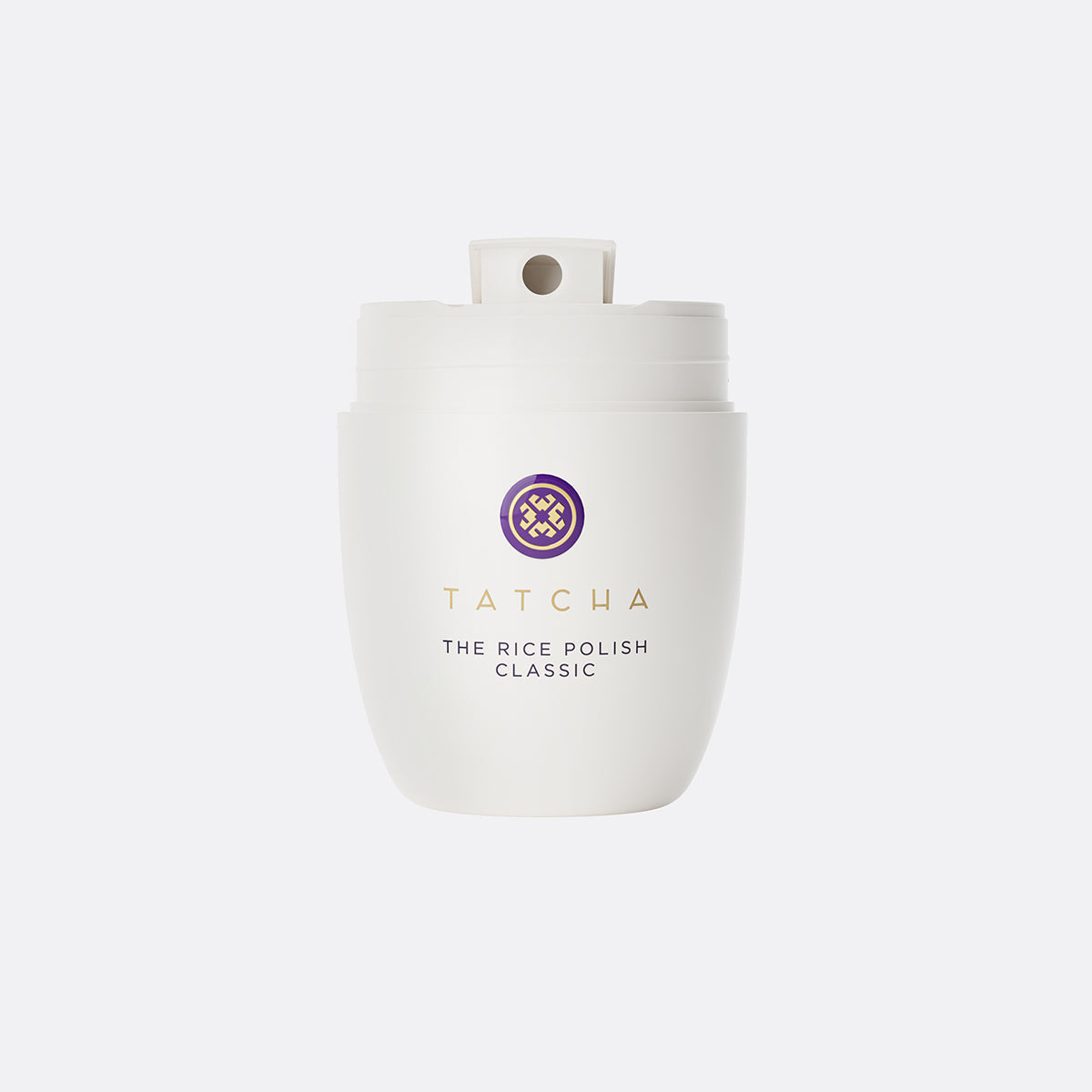
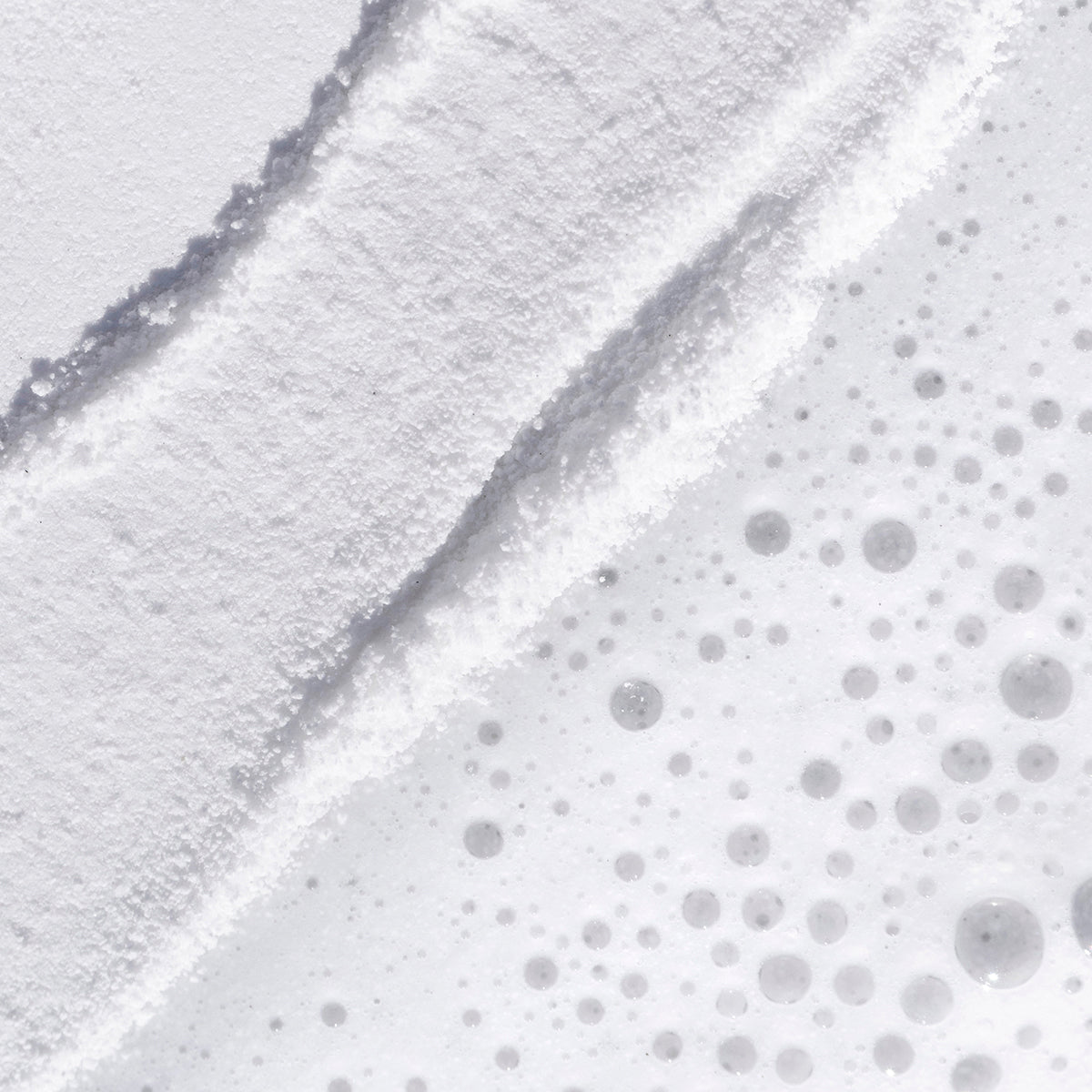
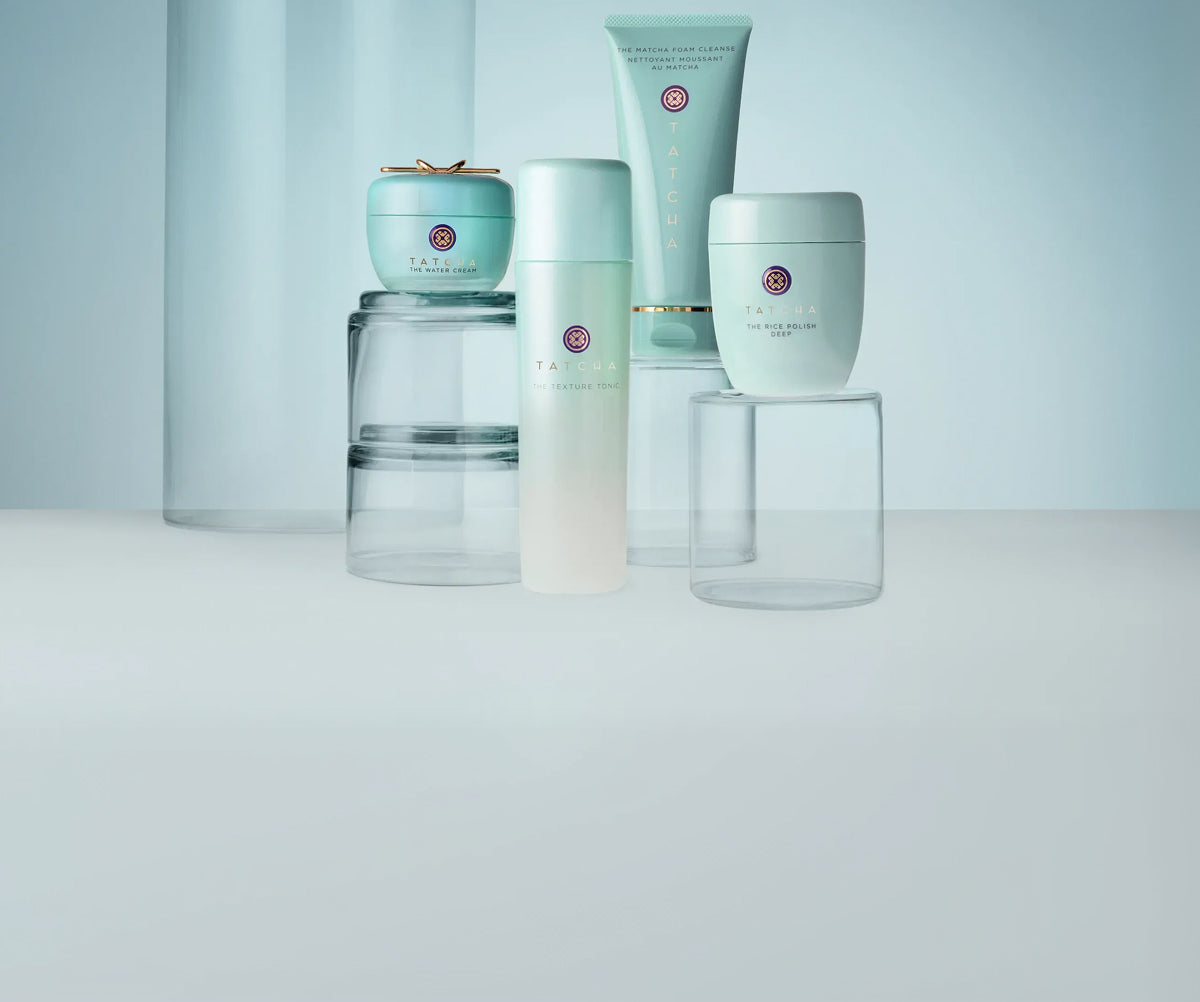
While many exfoliants can be too harsh for dry skin, the right one can gently slough away dullness and dead skin cells to infuse your skin with moisture. The Rice Polish is a water-activated exfoliant that transforms to a creamy foam for smooth, polished skin with a healthy glow. Finely ground rice bran and papaya enzymes promote natural skin surface turnover, while the pH-neutral, amino acid base formula provides effective cleansing without stripping skin of essential moisture or breaking the skin barrier, so your skin is left feeling baby soft and supple.
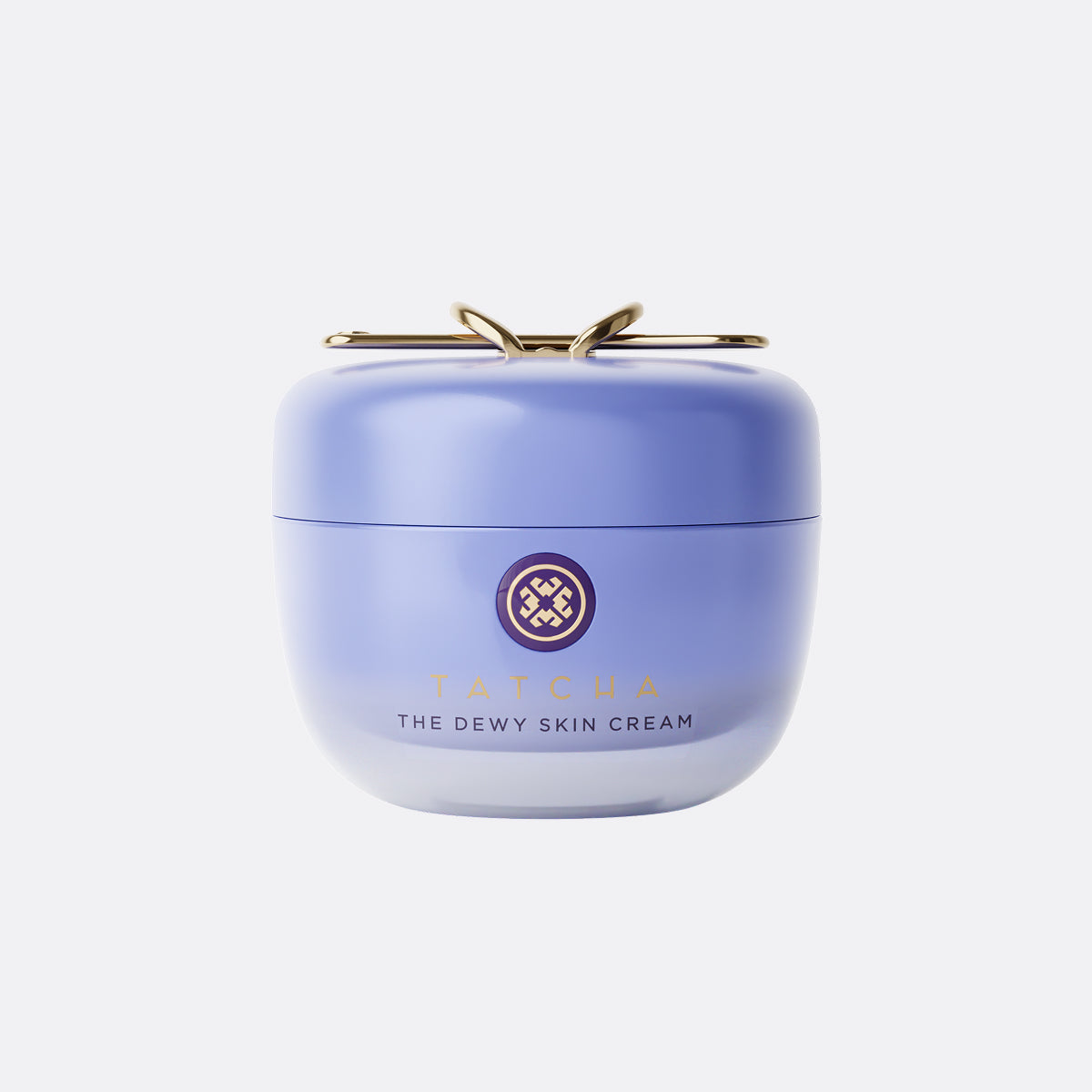
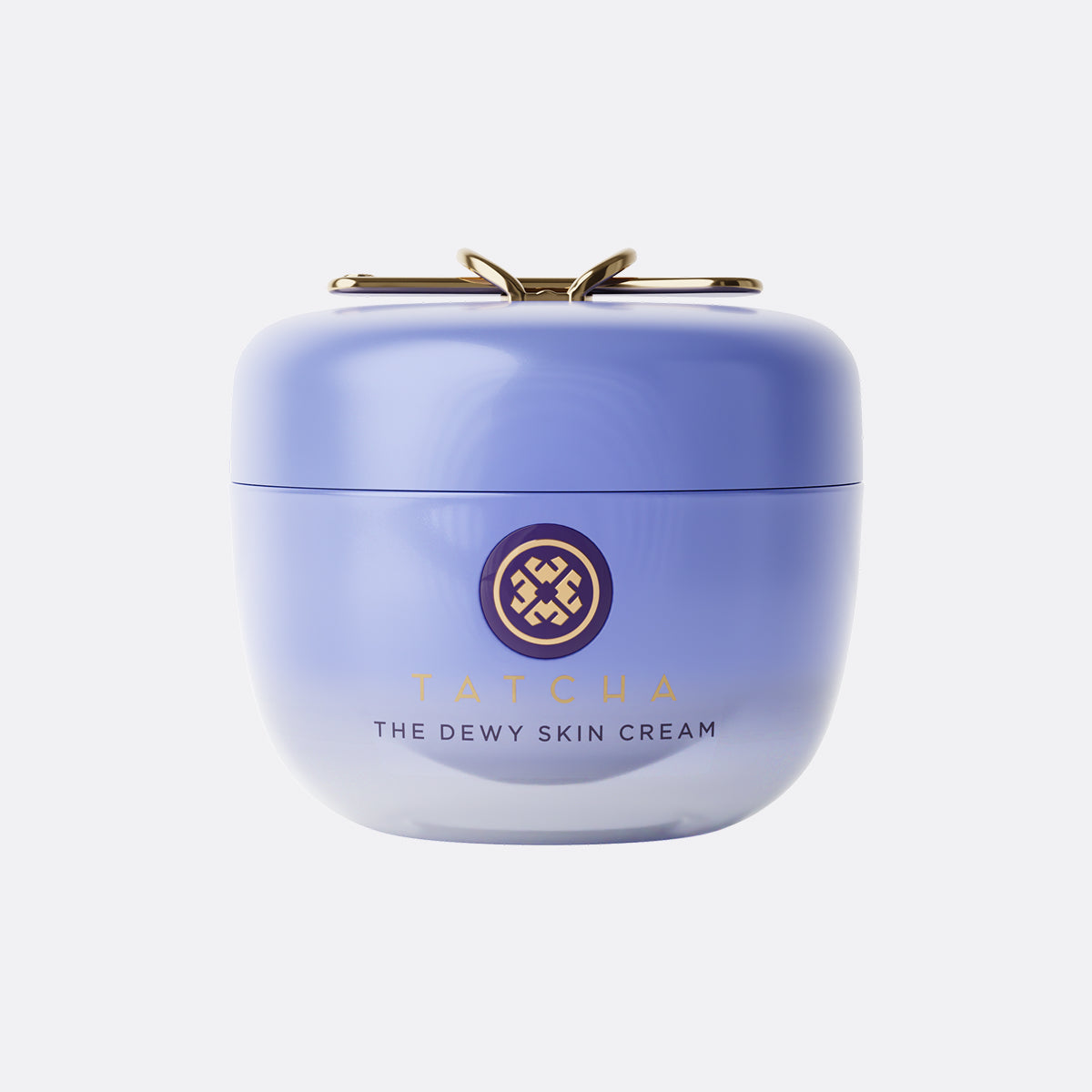
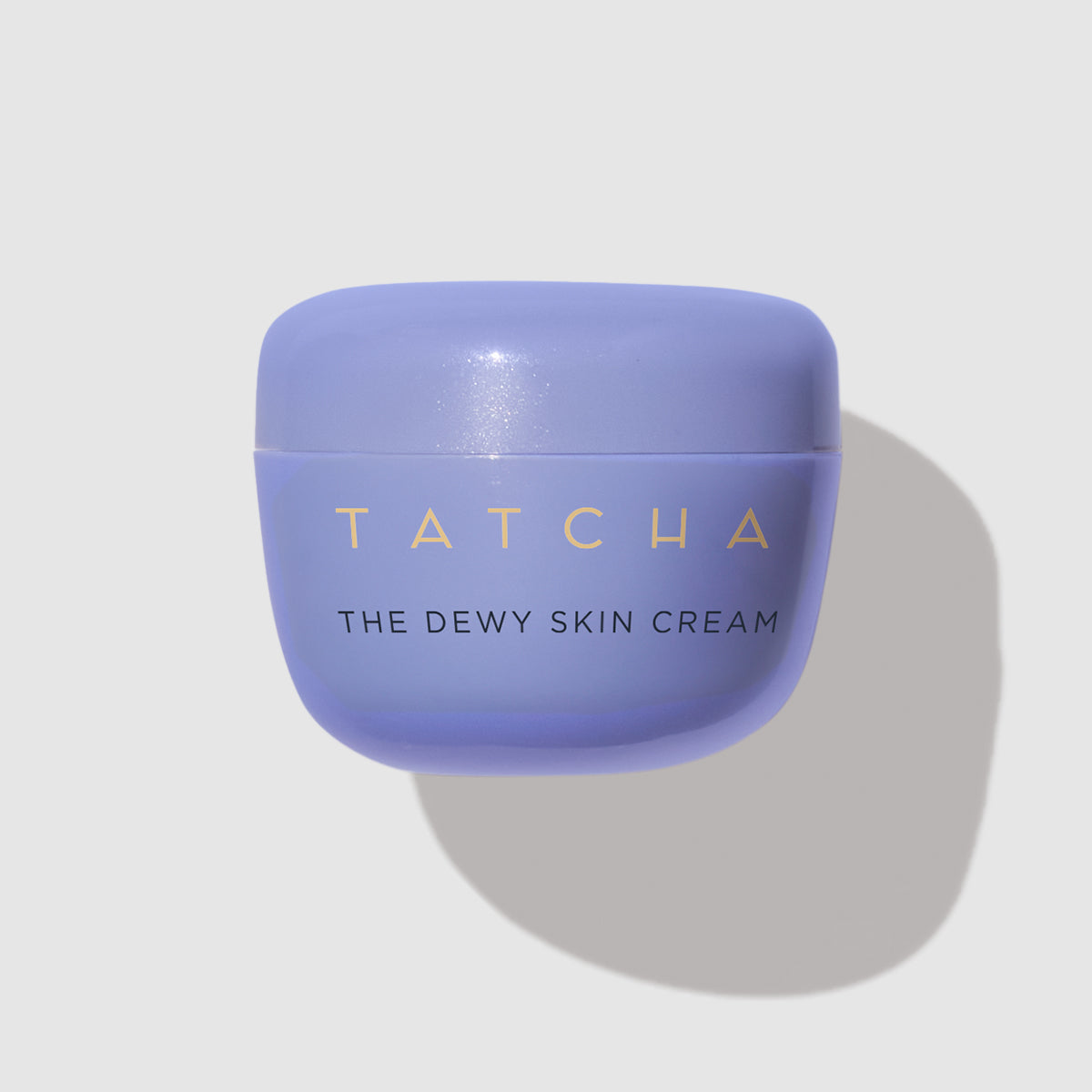
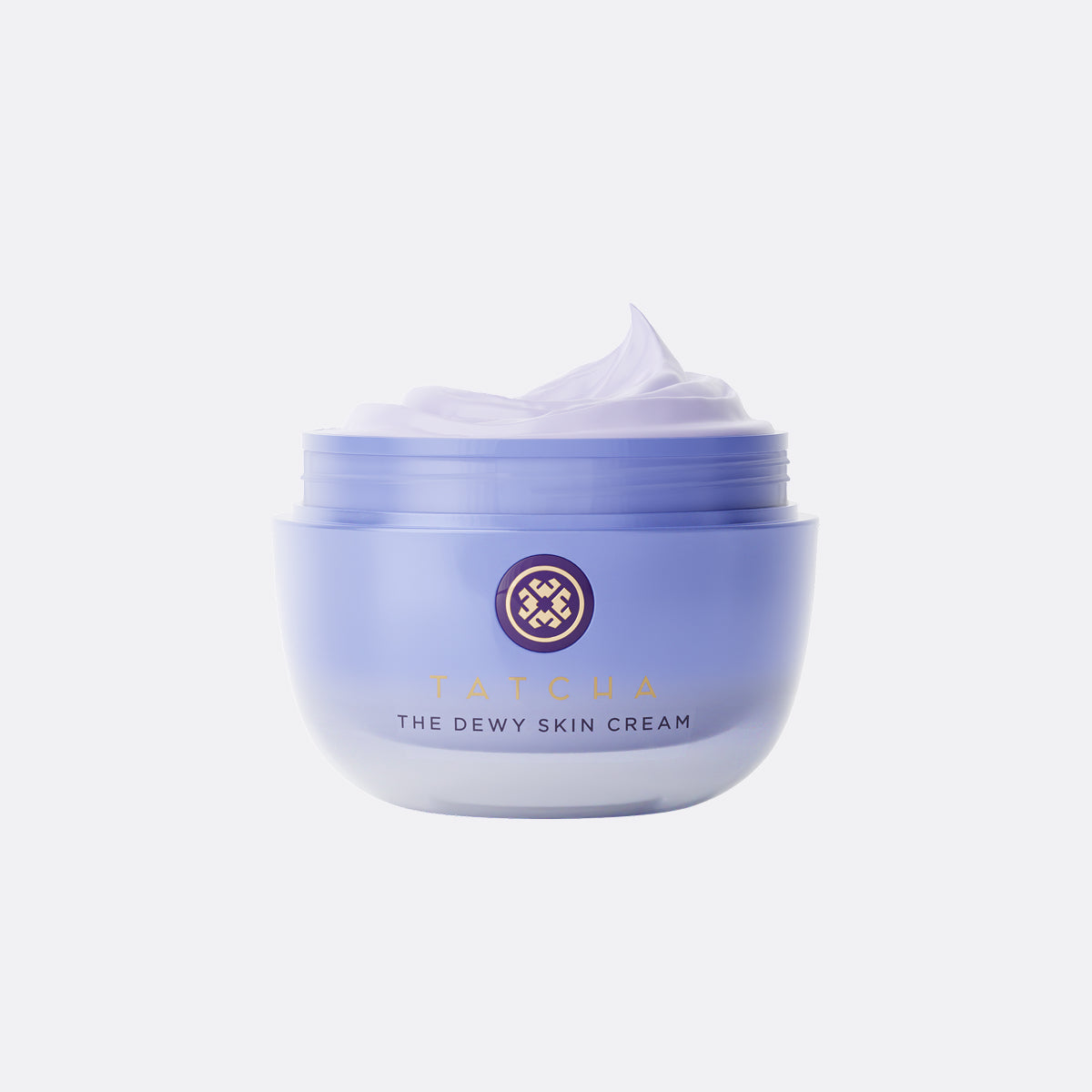
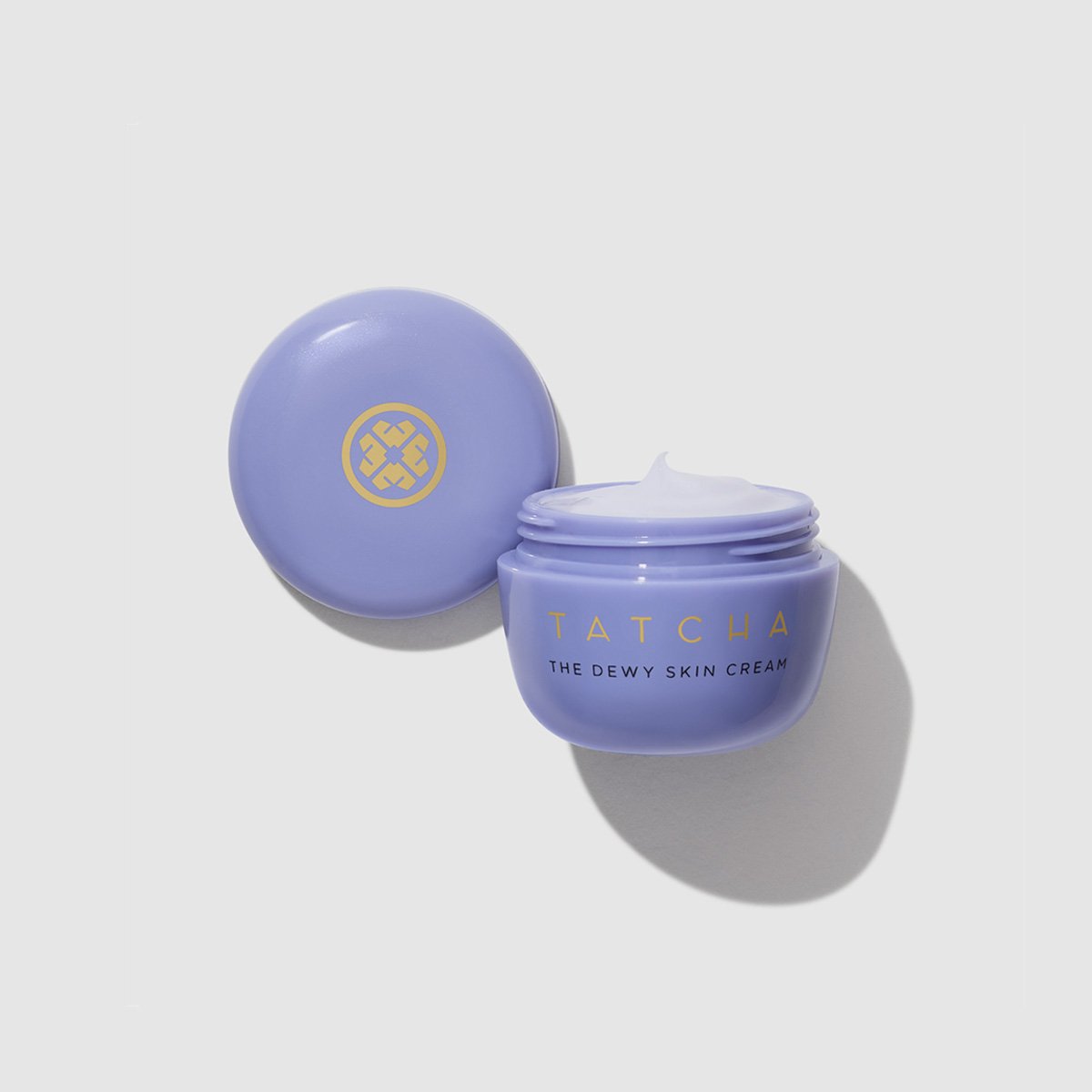
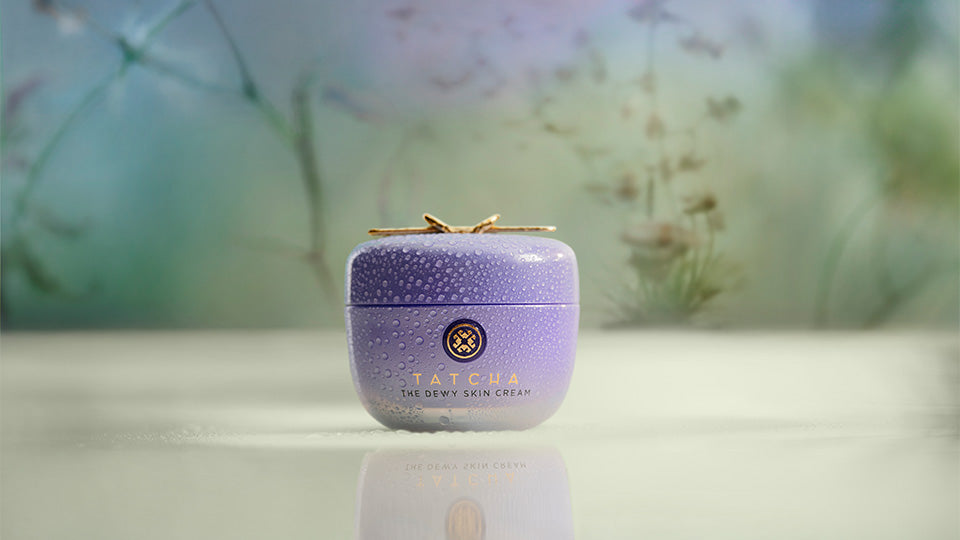
Bring nourishment to dry skin with a rich, creamy moisturizer. The Dewy Skin Cream is specially formulated for dry skin, feeding it with plumping hydration and antioxidant-packed Japanese purple rice. A blend of Okinawa algae and hyaluronic acid capture water to help replenish skin’s natural moisture reservoir and replenish ceramides to aid in the reduction of future moisture loss.
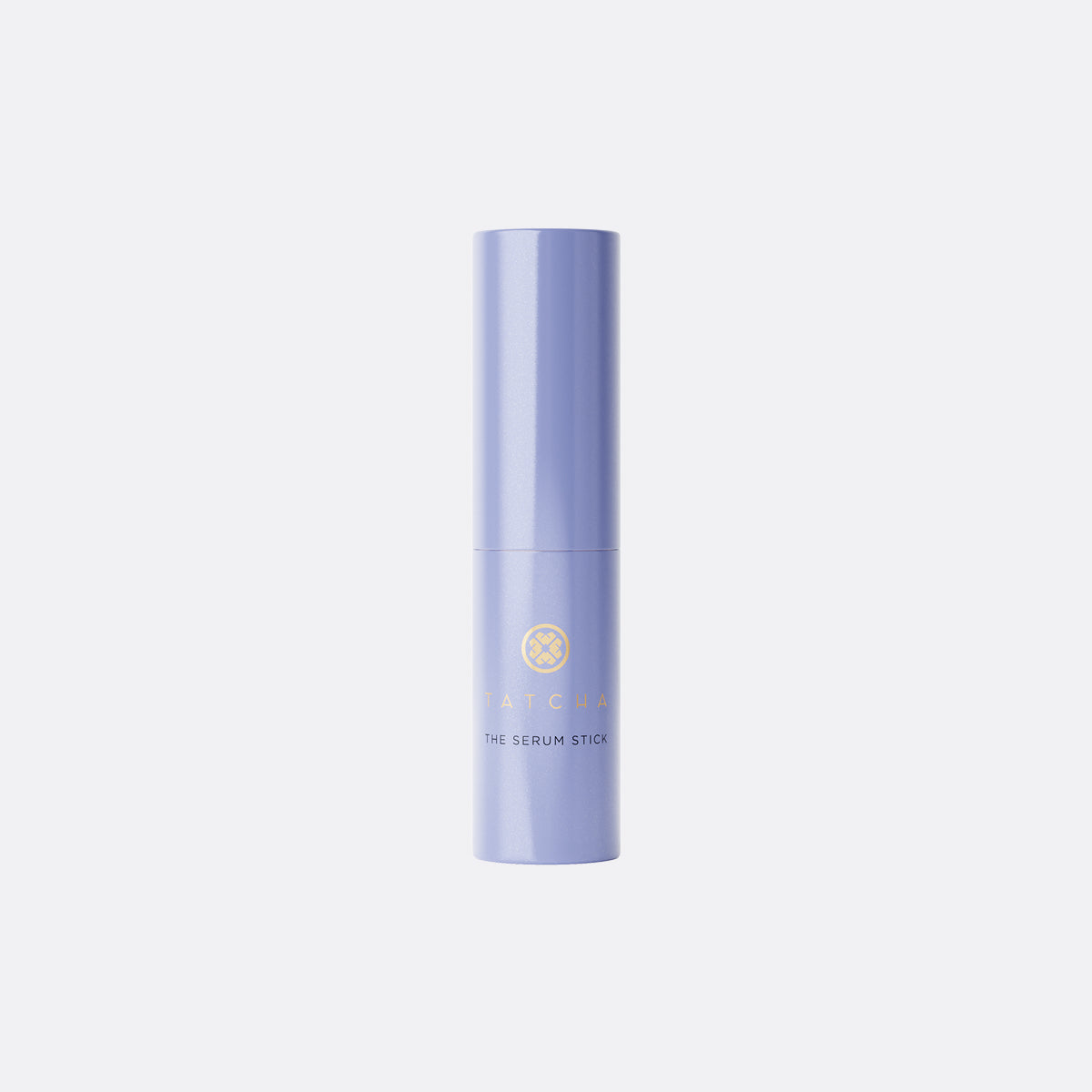
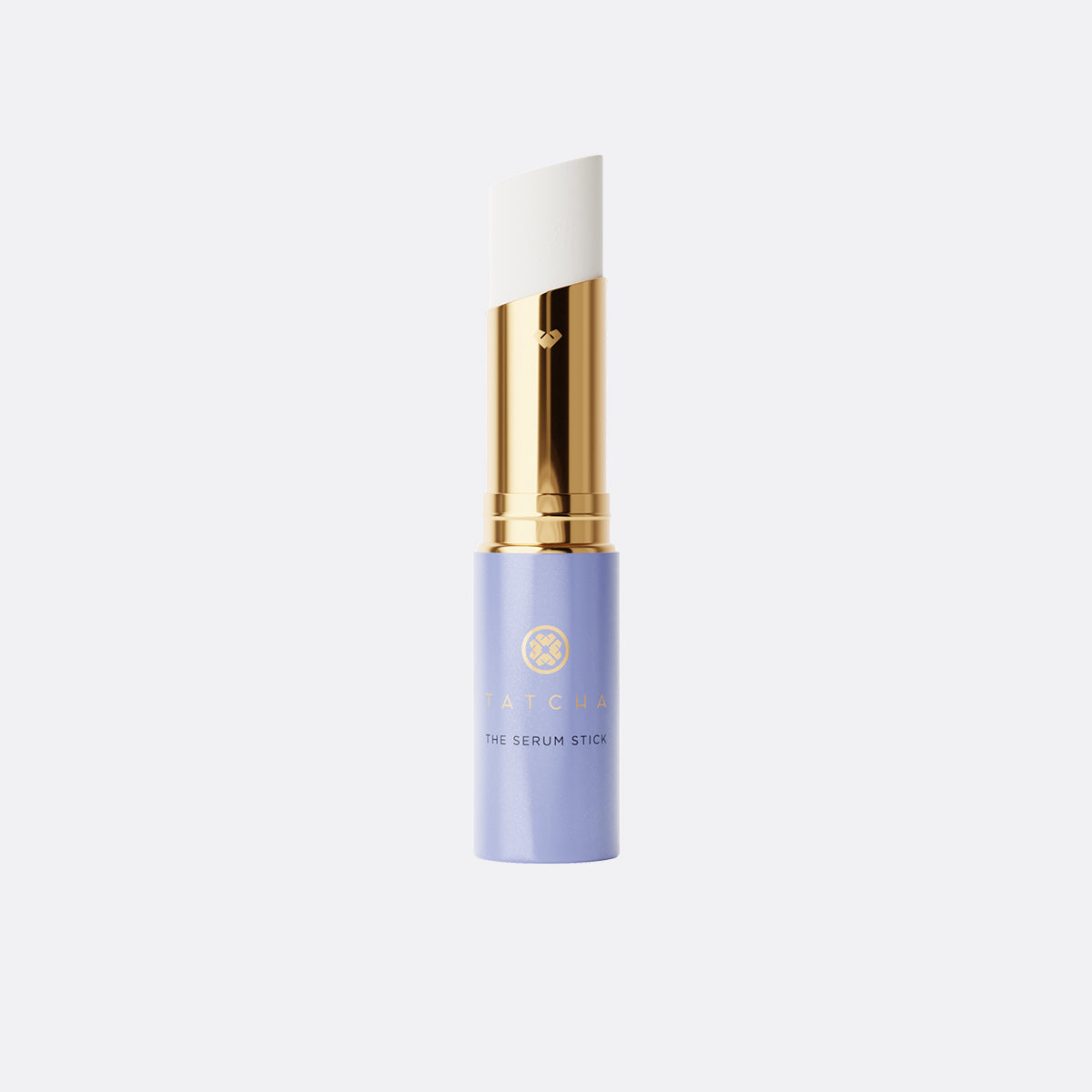
Include a serum in your skincare ritual for an added boost of hydration. The Serum Stick is a concentrated solid serum of 80% squalane and Japanese lemon balm that targets signs of aging and dryness instantly and over time.
If you find that you have dry hands, they will benefit from a hand cream. Our Indigo Soothing Hand Cream is rich in soothing indigo, silk extracts, and squalane to soften and calm dry, irritated skin.
How to Treat Dehydrated Skin
There are two ingredients that are essential in bringing hydration back to dehydrated skin—hyaluronic acid and water. It is also imperative to follow a skincare ritual with products specifically formulated for dehydrated skin. You may find that some of the steps in your skincare ritual are similar to those of dry skin—however, the products you will use differ.
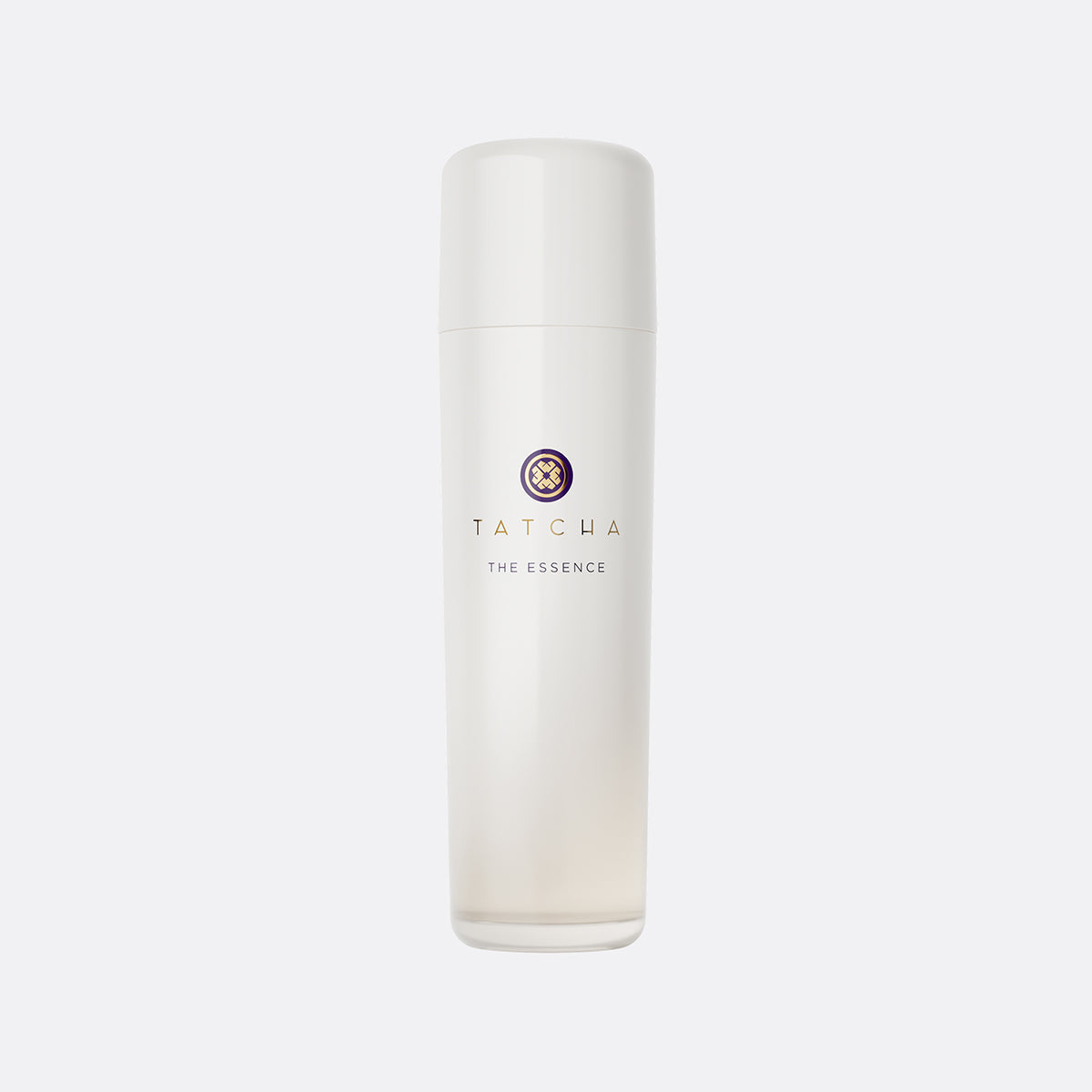
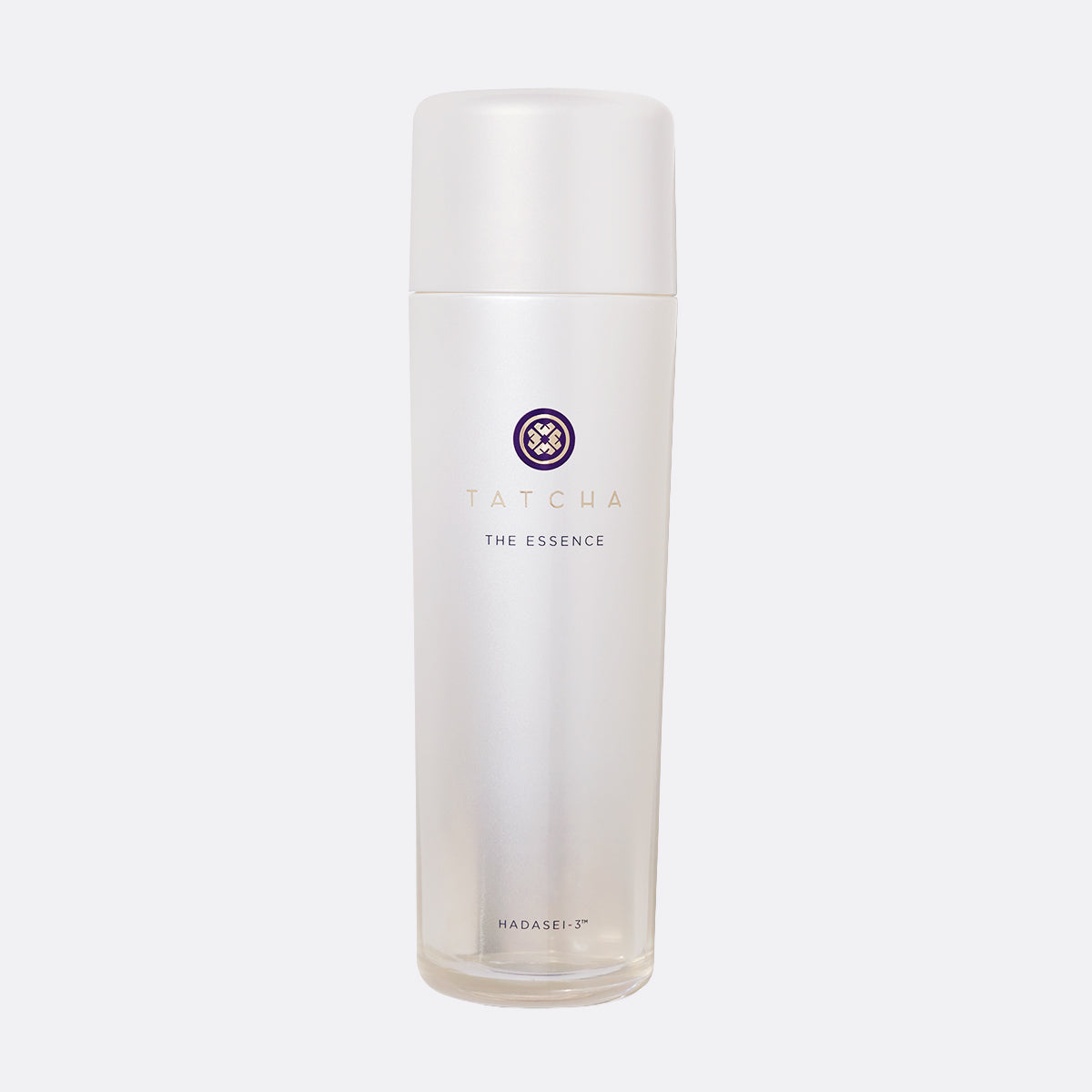
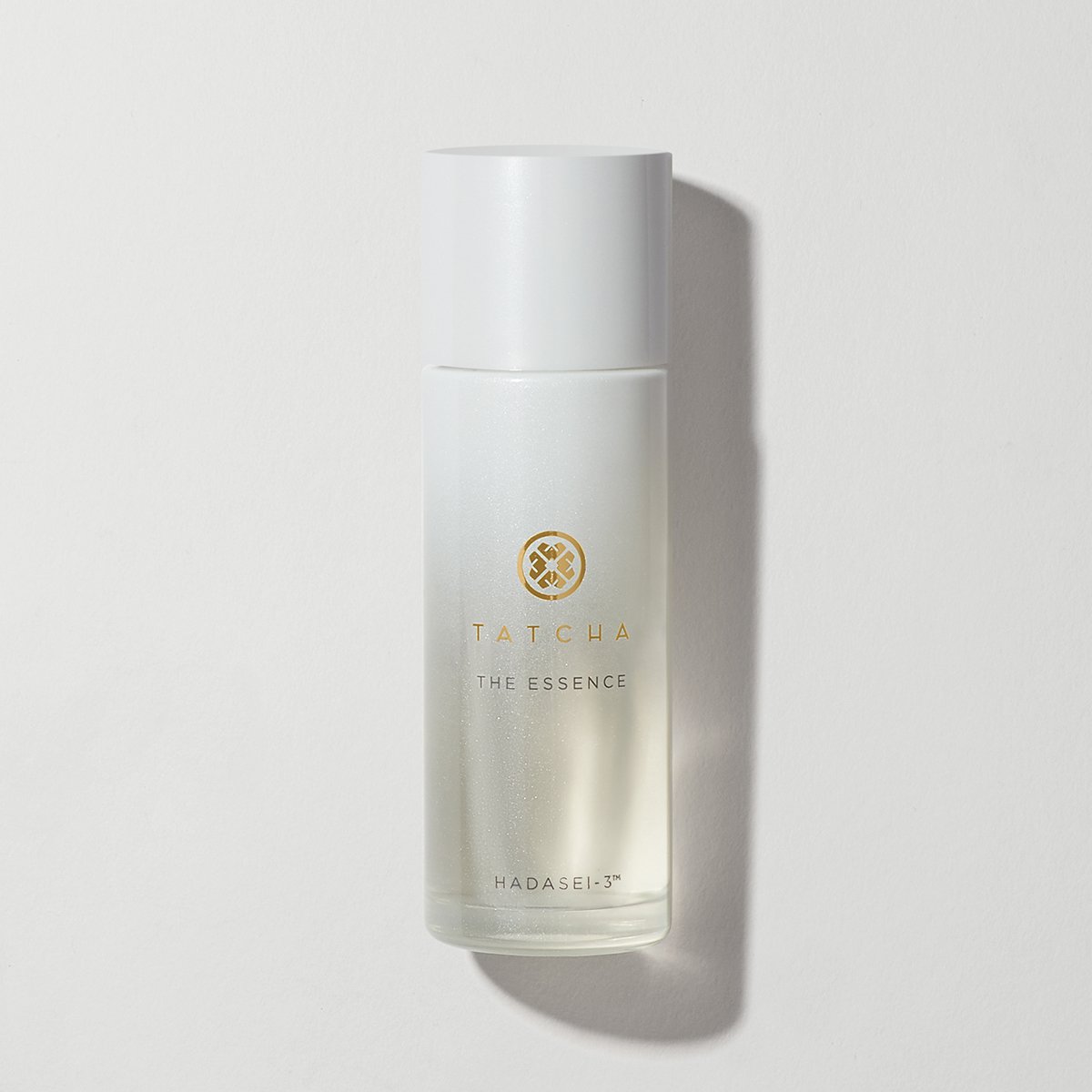
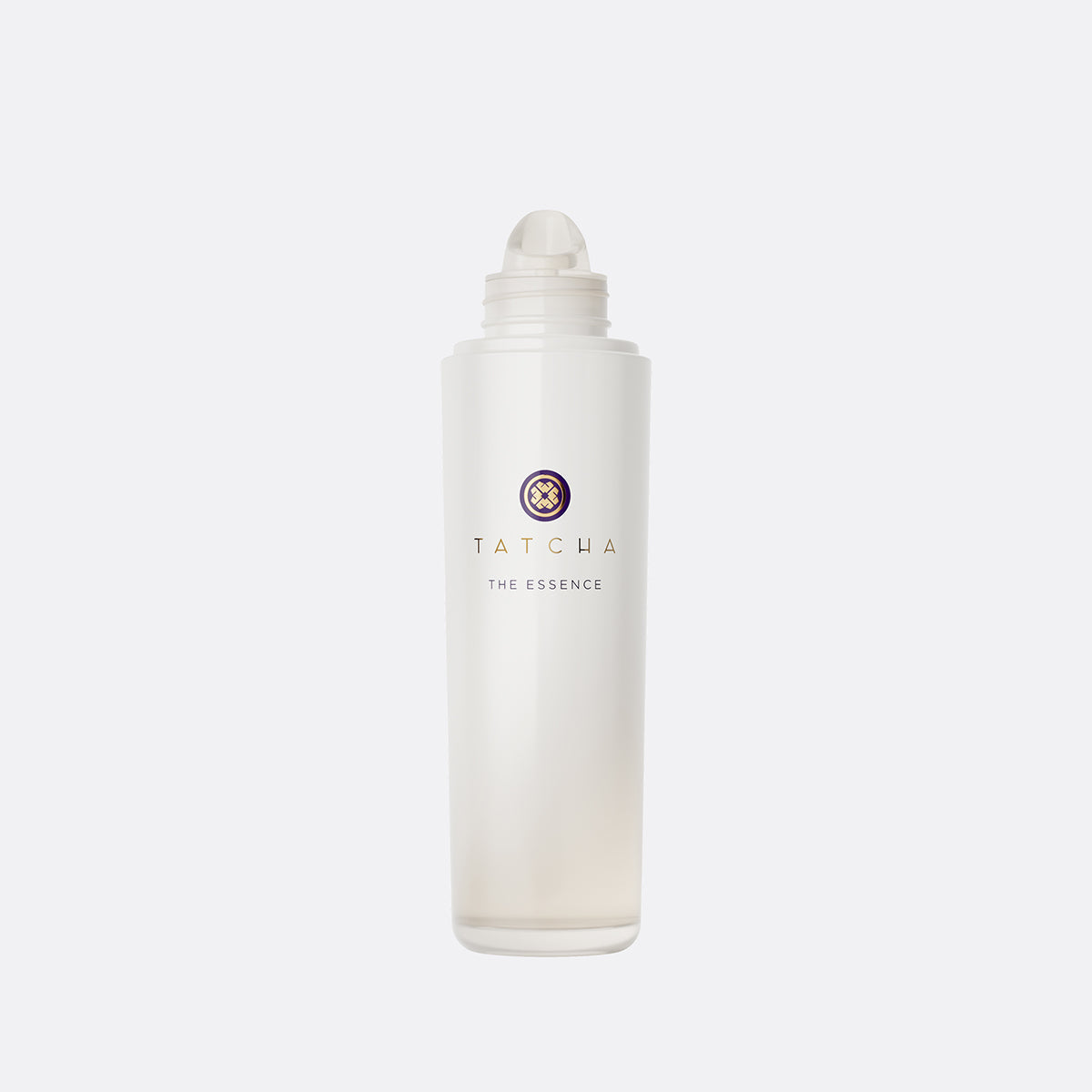
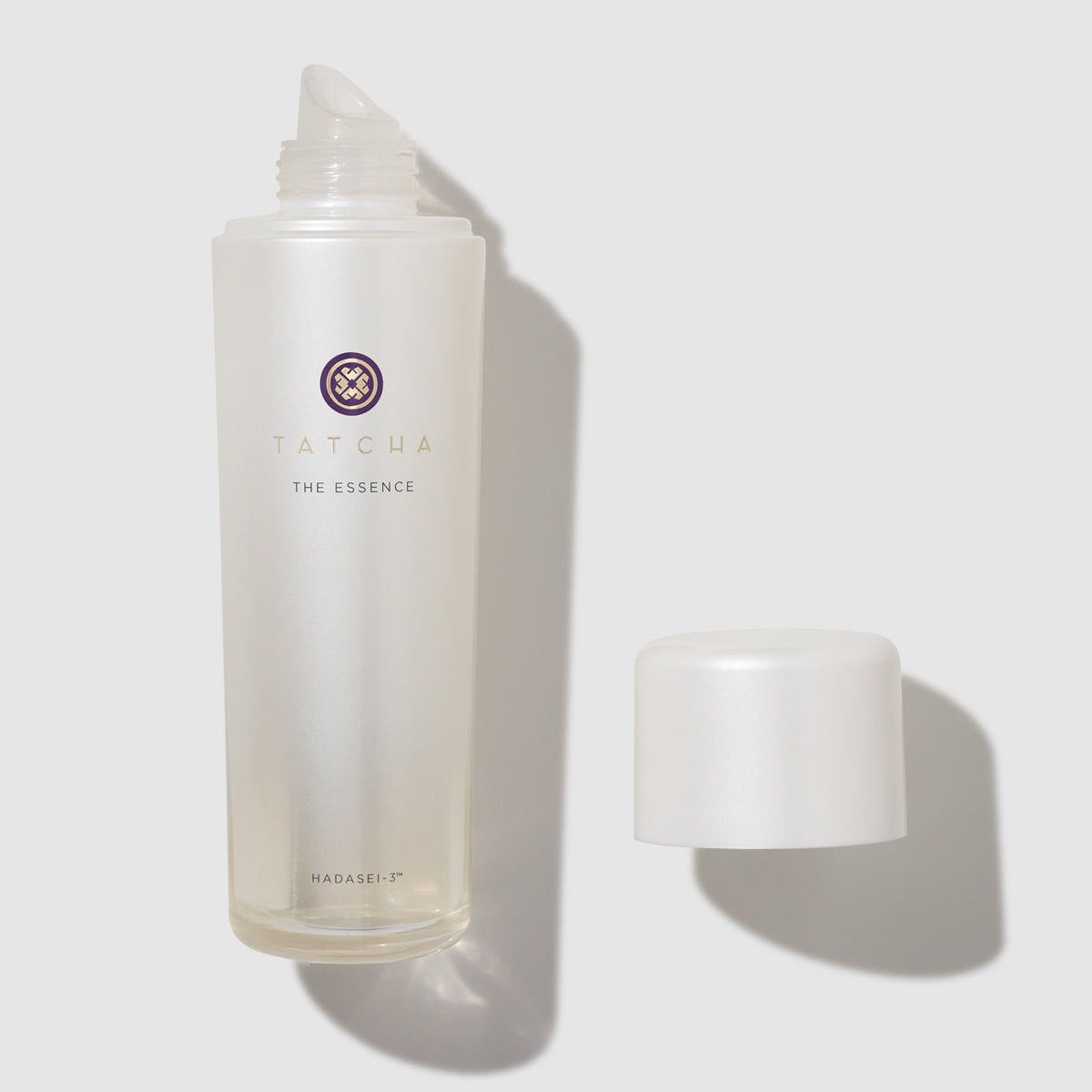
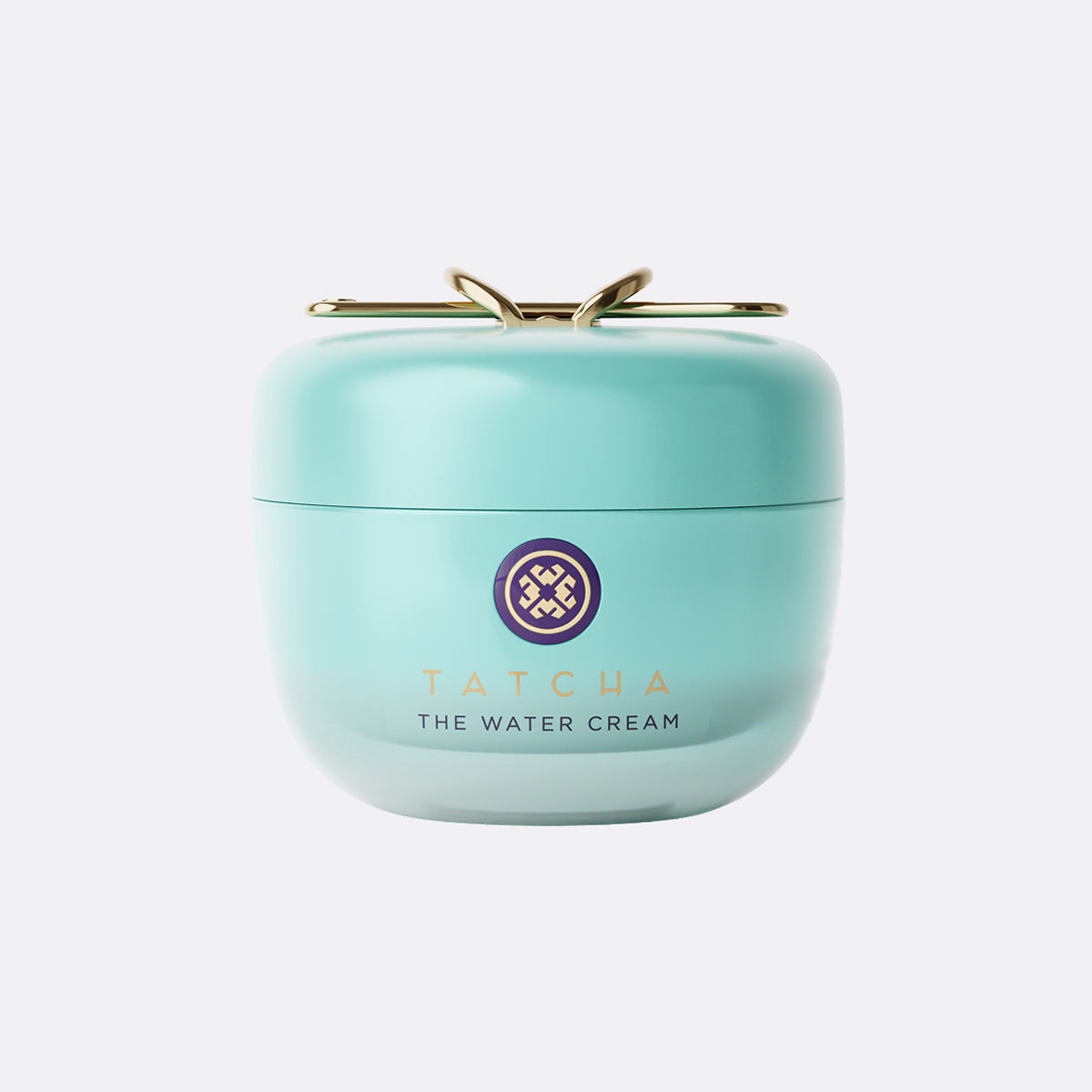
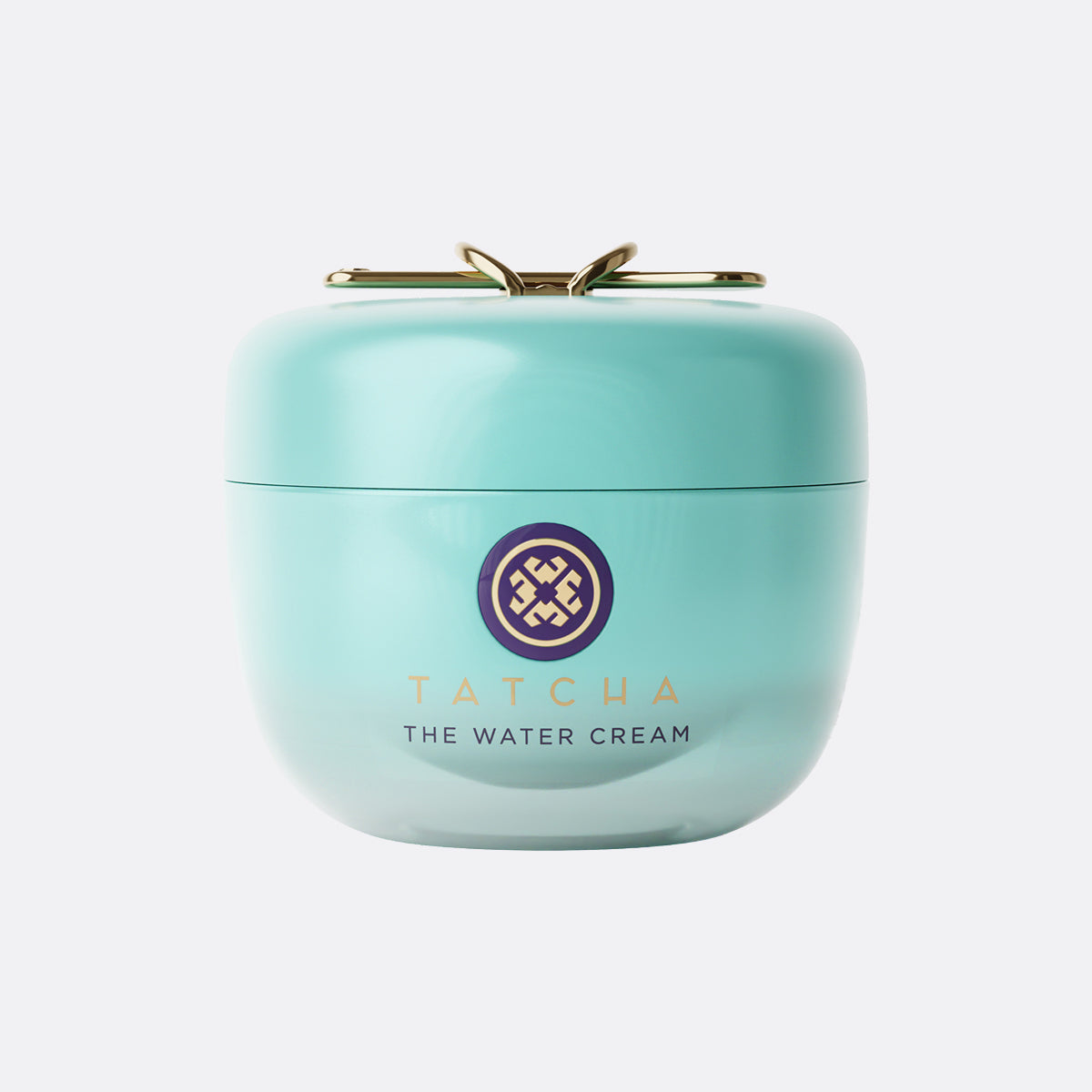
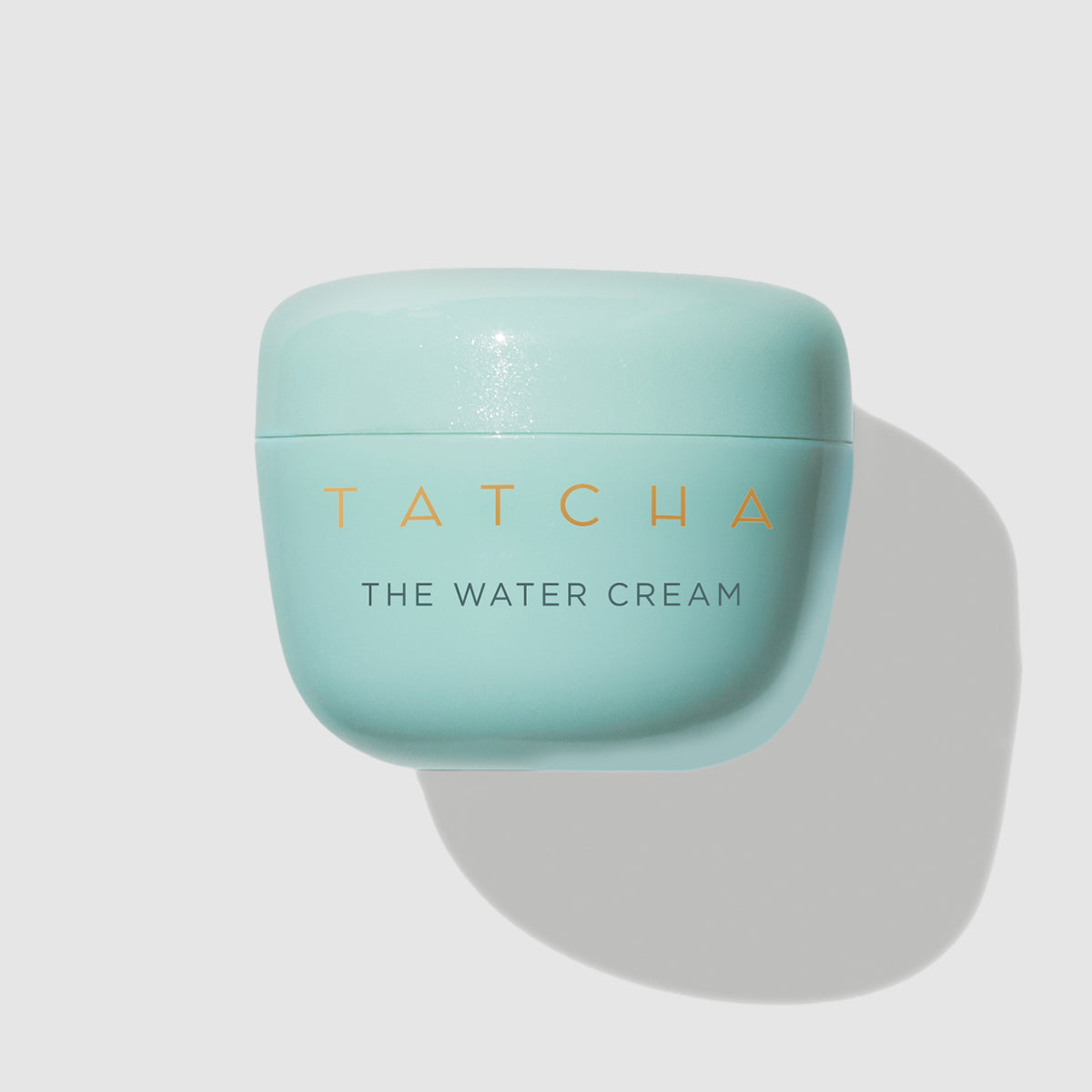
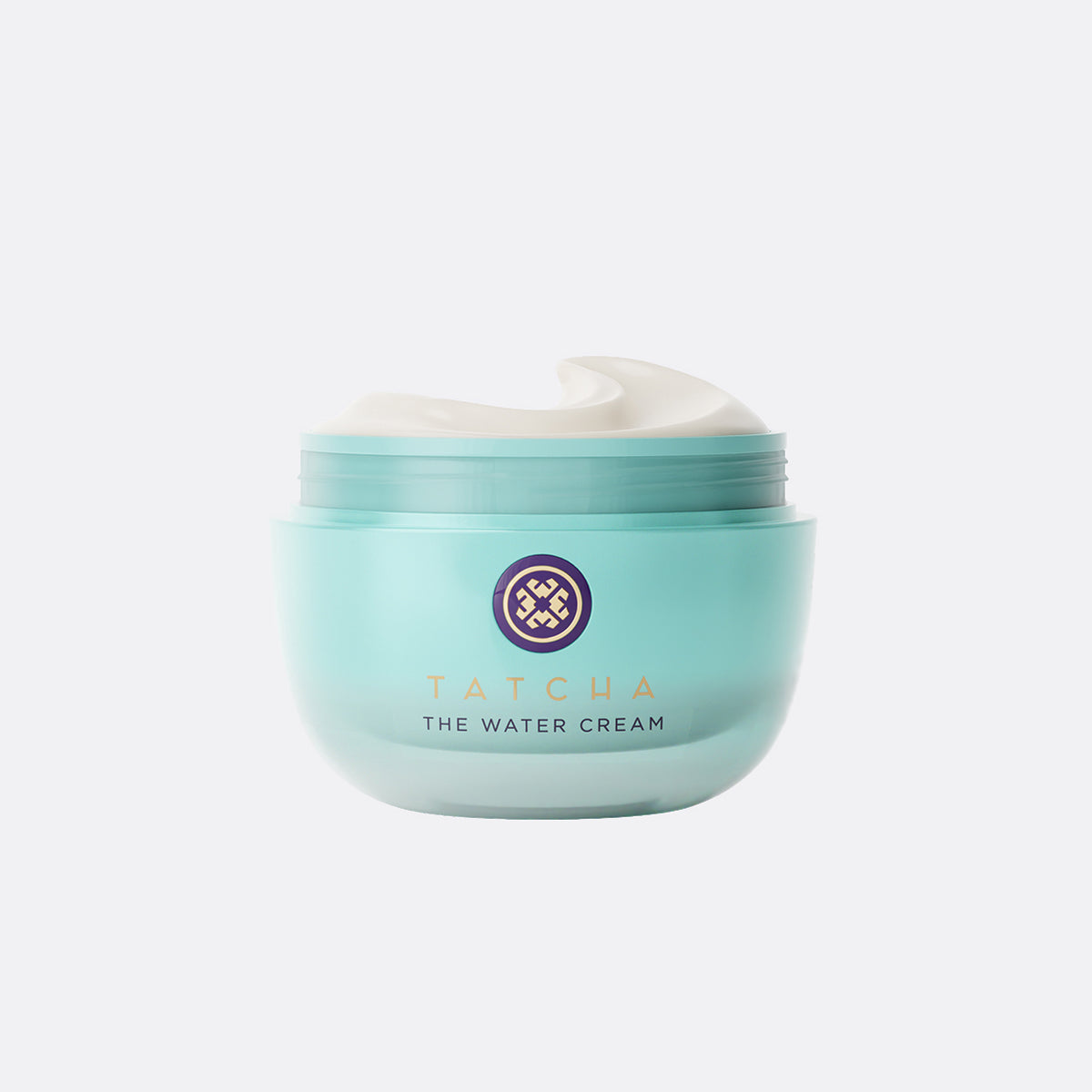
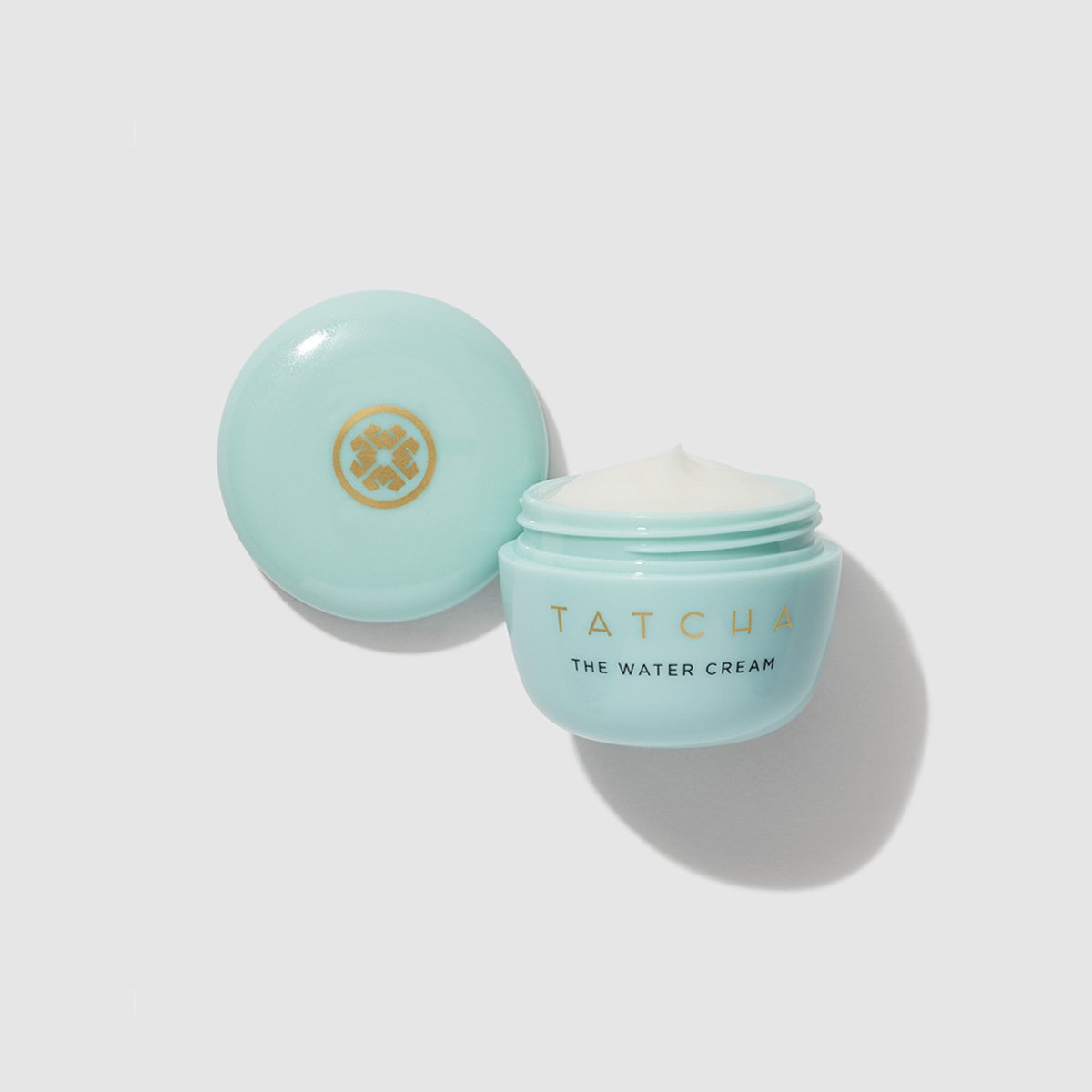
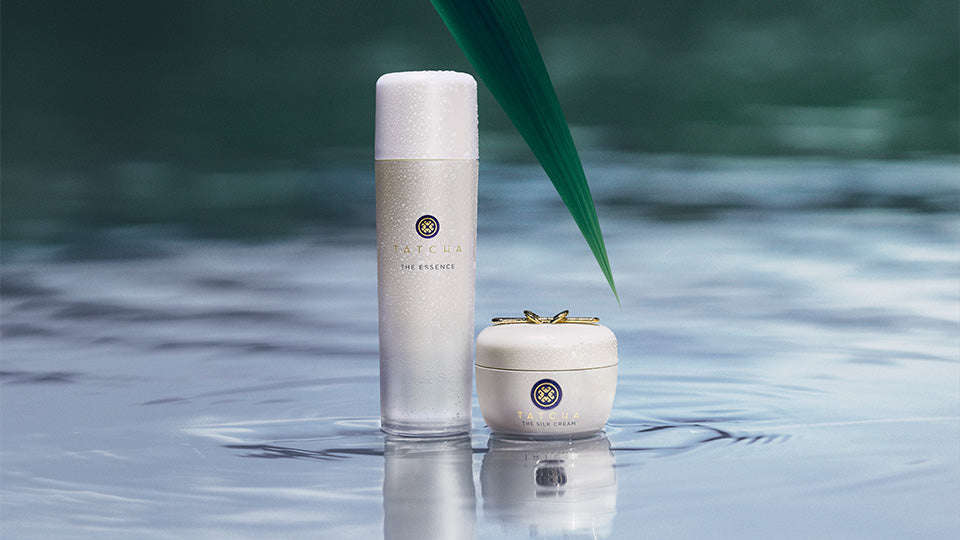
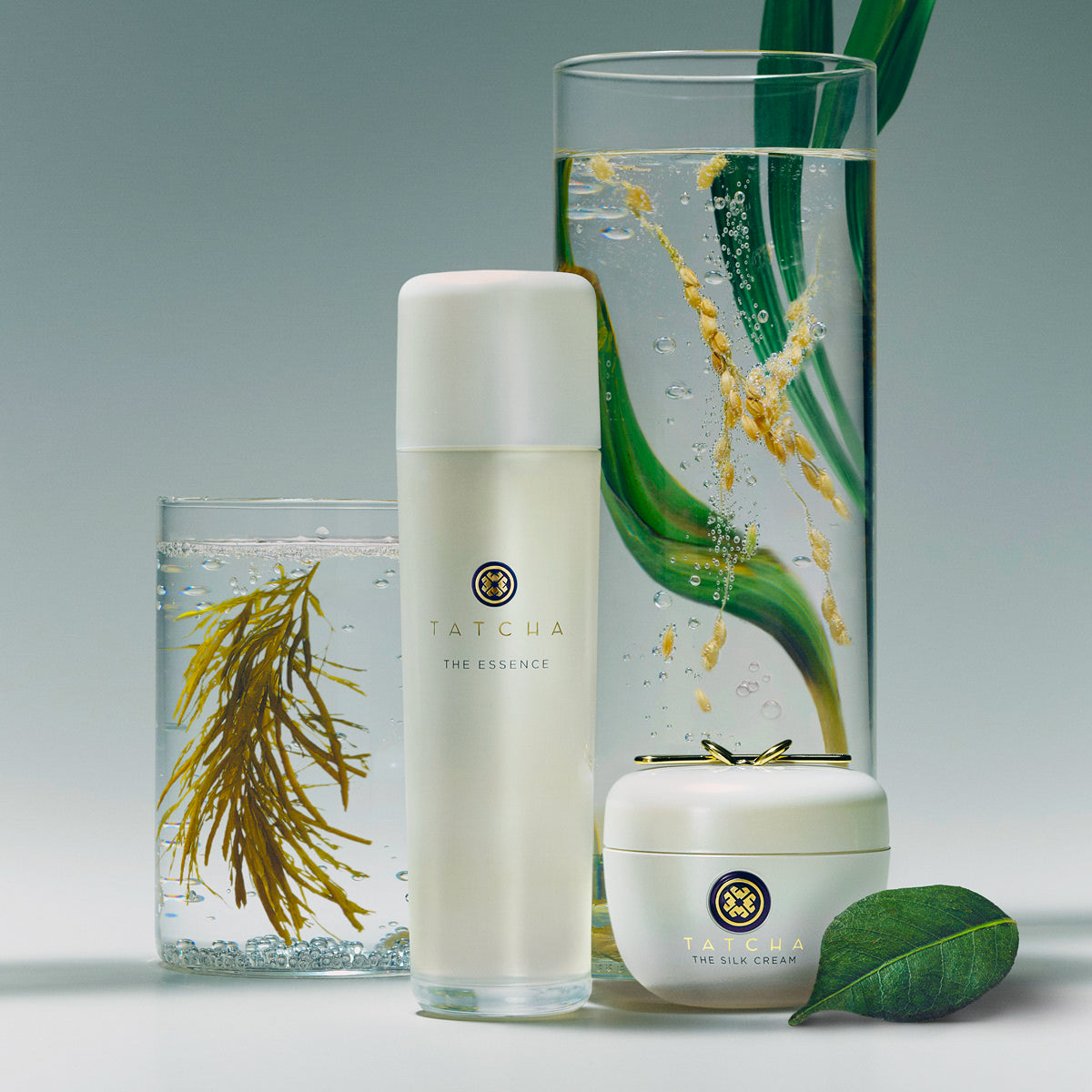
After cleansing your skin with The Rice Wash, apply The Essence. This plumping skin softener is a deeply hydrating, moisturizing, and resurfacing facial treatment essence. It is formulated with 98.6% pure Japanese superfoods to maximize the performance of all of your skincare products, creating a pathway for them to further amplify their effectiveness. Follow this by bringing a burst of hydration to your skin with The Water Cream. This oil-free moisturizer that breaks upon application to release a combination of skin-improving Japanese nutrients and botanicals. At night, treat your skin to extra hydration with our Luminous Deep Hydration Lifting Mask—a unique, coconut-derived sheet mask that boosts the moisture content of your skin by up to 200% in 15 minutes, leaving behind a plump, luminous complexion.
Much like dry skin, dehydrated skin can also benefit from the added hydration of a serum. The Luminous Deep Hydration Firming Serum features a deeply hydrating blend of Okinawa red algae and hyaluronic acid to nourish skin in need of bounceback.
Does Dry or Dehydrated Skin Need SPF?
The short answer is yes. Whether you are putting together a morning skincare routine for dry skin or dehydrated skin, the last step should always be sunscreen, as it helps to protect against harmful UVA and UVB rays that can dry out the skin. Our Silken Pore Perfecting Sunscreen is a weightless sunscreen with broad-spectrum SPF 35 that blends effortlessly and invisibly into skin.