

After a sunburn comes the healing process, which can be uncomfortable, as red, irritated skin begins to flake and peel off. Here’s how to see yourself back to healthy-looking skin with a little product assistance.
Do: Understand sunburns & peeling.
Sunburns are a largely inevitable, and often painful, part of being human. When we expose our skin to the sun without adequate protection, we often develop patches of rough, red, warm-to-the-touch skin to show for it. Sunburns are the result of ultraviolet radiation causing an inflammatory reaction in the outer layers of the skin.
Serious exposure can cause serious damage, ranging from scarring to premature aging to the development of skin cancers. But sun overexposure is also pretty common. The National Cancer Institute once estimated that about a third of adults receive at least one sunburn a year, with higher figures for kids—more than half.
Most sunburns heal on their own, thanks to our body’s natural regenerative abilities. The process is also partly visible: A few days after skin is singed, you’ll notice patches of dead skin in the affected areas flaking off and giving way to fresh skin underneath. It’s amazing. It’s also, frankly, uncomfortable. Peeling skin can be itchy and tender, and just because the skin is gone doesn’t mean the sunburn has completely healed. It may still look red and feel raw well into the healing process.
If you’ve arrived to the peeling stage, the good news is: It’s almost over. You may just need a little help getting through it. There are plenty of ways to support your skin’s healing with skincare products, but this guide focuses particularly on peeling, and how to minimize it. Here’s what to do—and what not to do—when you’re trying to prevent peeling from a sunburn.
Don’t: Forget SPF.
When should you apply sunscreen? According to The Skin Cancer Foundation: Every day. (And not just once—you should reapply every two hours that you spend in the sun.)
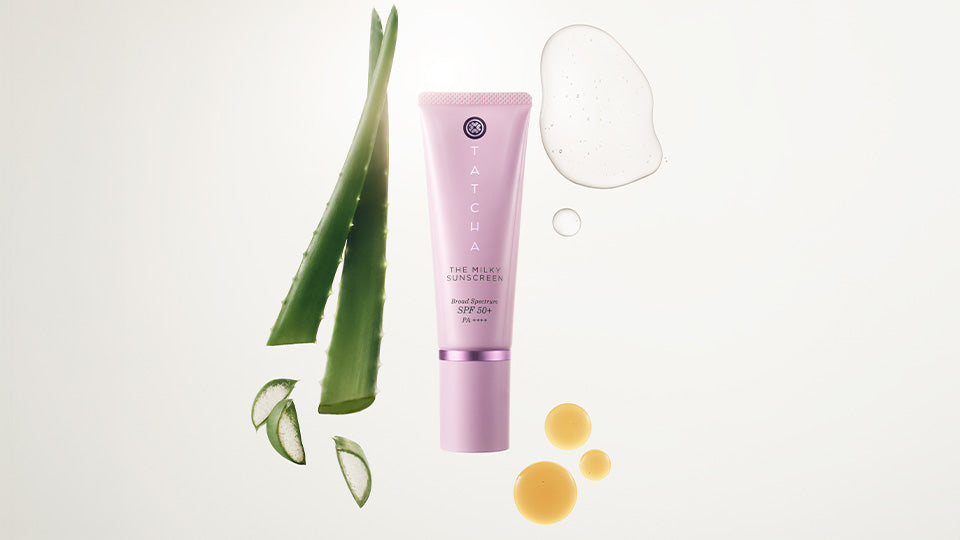
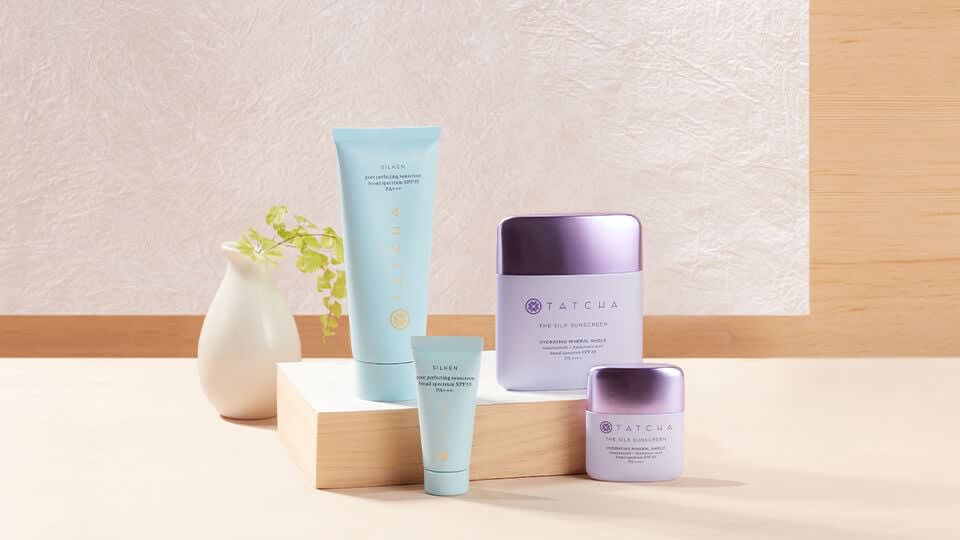
If you’ve sustained a sunburn, applying sunscreen is even more important. Allowing your skin to heal means preventing it from taking on any additional damage. Exposing an unprotected sunburn to the sun is akin to pausing skin damage and then resuming it. Choose your favorite sunscreen formula, and don’t forget to reapply it every day, especially when you’re healing from a sunburn. But be forewarned…
Do: Stay out of the sun.
…just because you have the right protection on hand doesn’t mean it’s a good idea to hit the beach while your burn is still healing. Give your skin some time to heal by taking it easy in the shade, and don’t forget to layer with protective clothing—be it long sleeves or a wide-brimmed hat—when you absolutely have to go out. Experts say a sunburn’s healing process can range from anywhere between three and 10 days (the latter in more severe cases). Rest assured, you’ll be back at the beach in no time.
Don’t: Let your skin dry out.
In addition to redness and sensitivity, sunburns also often have a dry, flaky texture that is usually evident of dehydration. One of the ways the sun’s rays can damage the skin is by depleting its water content, according to dermatologists. It’s imperative to make sure your skin is getting more than enough water to counteract this process, which may also help minimize peeling time.
This is why the American Academy of Dermatologists recommends cool baths and showers, which can have calming effects on uncomfortable sunburns. They also recommend allowing water to sit on your skin post-bathing. This can help ease some of the symptoms of dryness, and it’ll also help with the next step in the process of preventing peeling from a sunburn: Moisturizing.
Do: Moisturize with calming skincare.
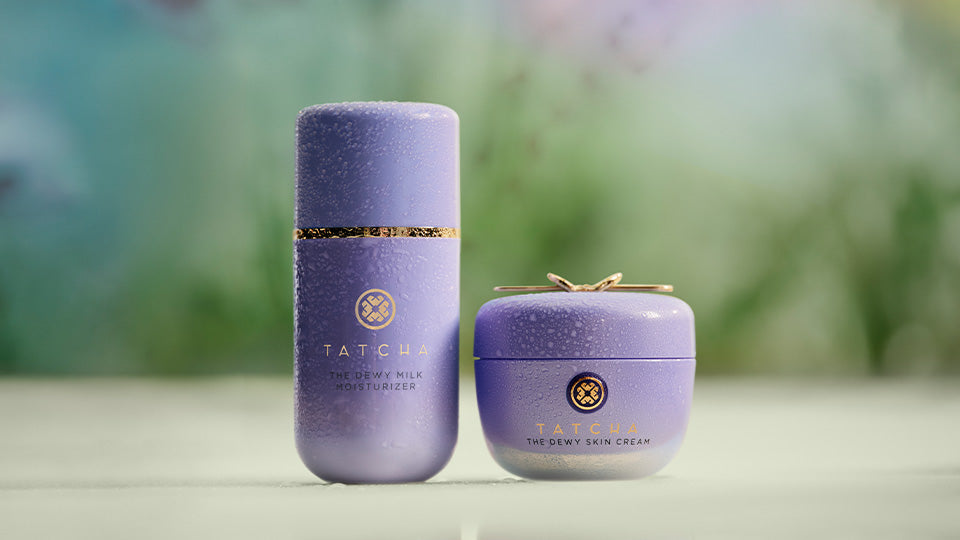
Another way you can make sure your skin stays hydrated after a sunburn is to use a topical product that can help it seal and retain moisture. In other words: Use a moisturizer.
If you’ve ever gotten a sunburn and used an aloe vera-based product to help soothe it, you know the power of a good moisturizer. Aloe vera is one of many natural botanical ingredients that bind water to the skin, which is why it's often recommended as an after-sun lotion. Different ingredients can have different palliative effects on sunburn. It’s a good idea to look into products that not only effectively moisturize the skin but also impart skin-soothing benefits.
Tatcha’s Indigo Soothing Body Butter is one such skincare formula. Centuries ago, during Japan’s Edo period, it’s said that samurais wore a layer of indigo-dyed cotton beneath their armor to help heal injuries—a testament to its healing legacy. Infused into a rich lotion with other skin-savers like squalene and colloidal oatmeal, the Soothing Body Butter offers impressive relief anywhere its applied. And here’s a pro tip, care of Real Simple: Your moisturizer is likely to work better if you apply it on wet skin.
Don’t: Pick with your fingers.
If a sunburn is peeling, and the peeling skin is already dead, surely you’re helping the process along by picking off the dead skin yourself… right?
Dermatologists say: Wrong. In fact, picking at a sunburn with your fingers can do much more harm than good, and could result in scarring or blistering. Skin will flake off when it’s ready to do so, and not a moment before. You can risk damaging the new, healthy skin growing beneath the burn, as well as the healthy skin surrounding the sunburn. It’s a golden rule not to pick at your skin in general, but the rule takes on new urgency when it comes to peeling from sun damage.
Do: Gently exfoliate.
Overall, the most important thing to do for a sunburn is actually something you shouldn’t do; Further irritate the skin. Those who deal with sensitivity know that certain ingredients or products can cause their skin more harm than good. Think of sunburned skin as some of the most sensitive skin of all: Skin that is actively in the process of healing itself. It’s important to let that process happen at its own pace.
But just like sensitive skin types seek out certain products that can improve their skin quality, certain products, like moisturizers, can help keep things calm without interrupting the process. Towards the end of the sunburn healing process, as skin begins to peel off, it may even be beneficial to use a gentle exfoliant that can safely remove dead, flaky skin.
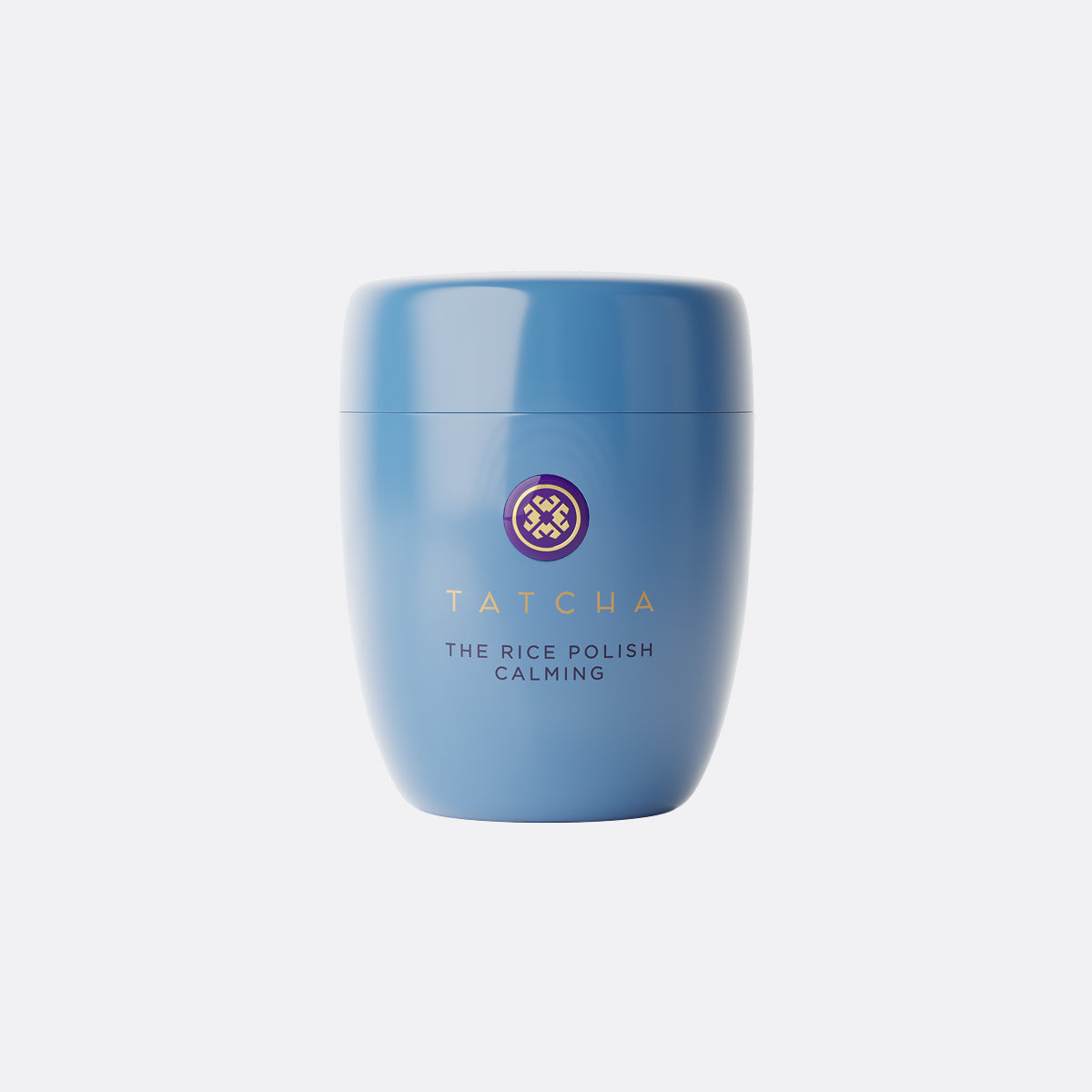
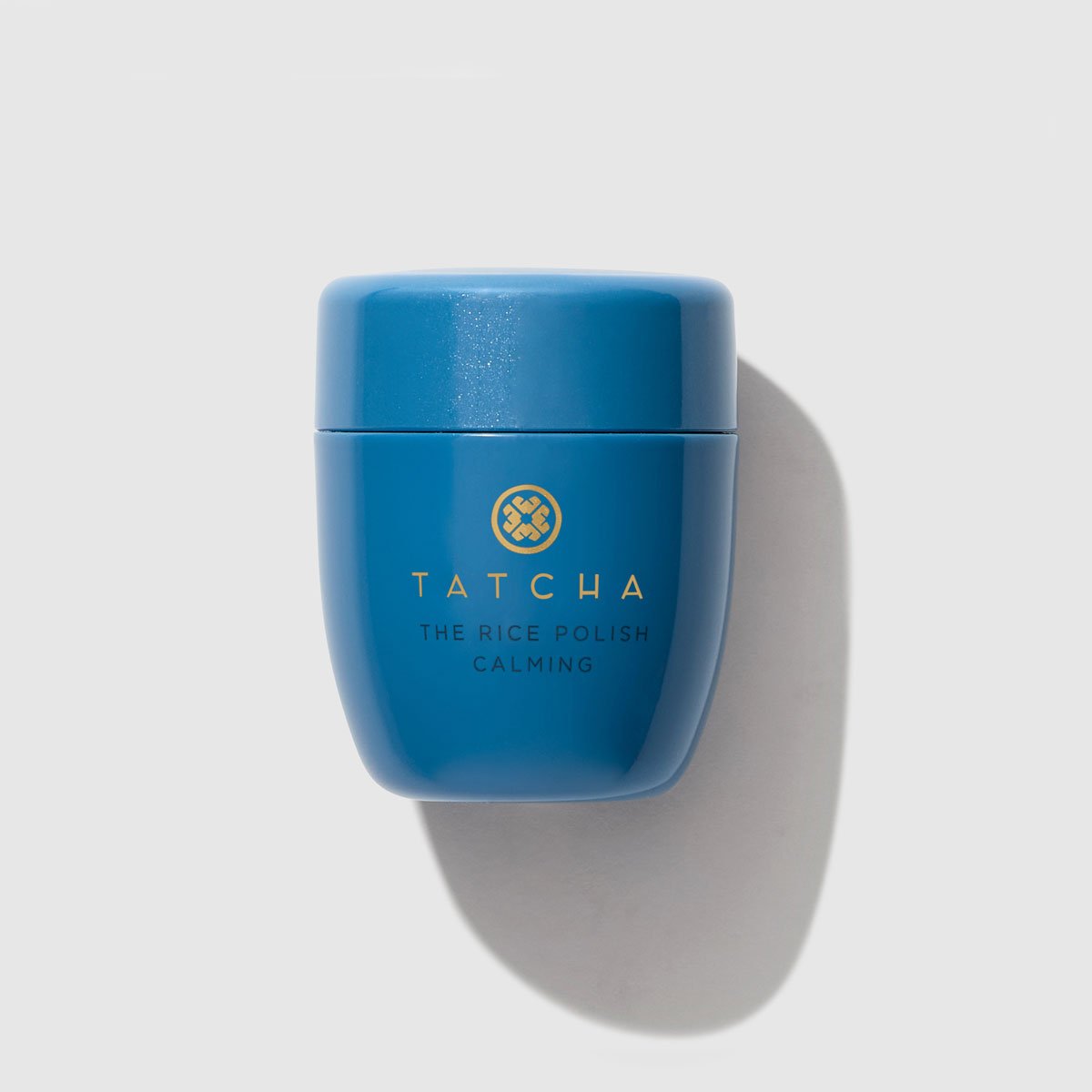
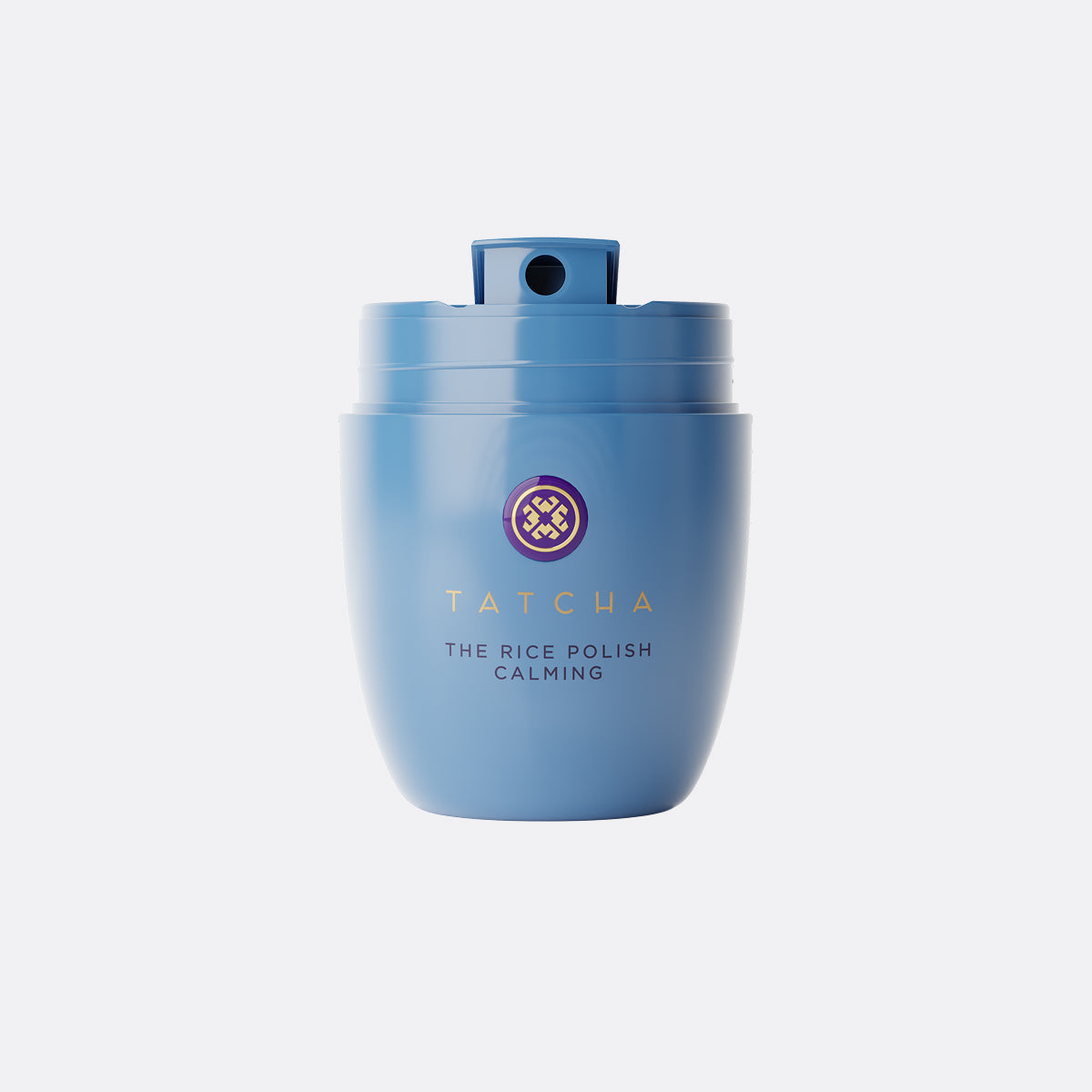
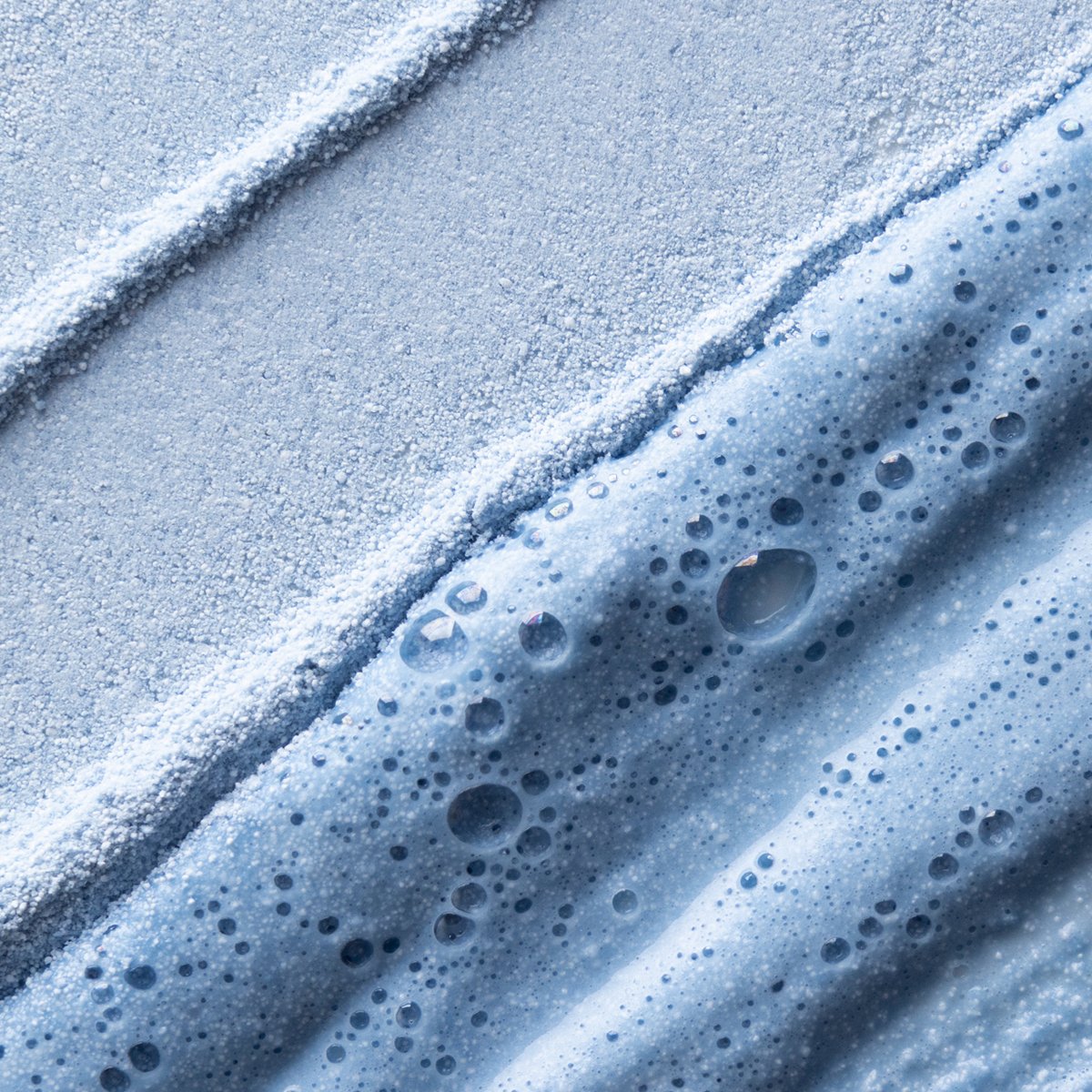
It’s wise to avoid strong chemical exfoliants or harsh scrubs. Look for something like Tatcha’s Calming Rice Polish, which employs non-abrasive ingredients like finely-milled rice bran to softly resurface even irritated skin. It also employs enzymes that help to erode the bonds between dead skin cells and healthy ones—as well as soothing indigo extract. It’s formulated for sensitive skin and easy exfoliation.
Perhaps the most important ingredient in healing a sunburn and preventing peeling is patience. Time heals all burns. But when the symptoms of sun are causing you discomfort, a little extra care can go a long way.