



Skip to content

Bag

Your bag is empty

Continue shopping

Enjoy up to 15% off 4 full sizes of your choice with our set curator

Get Started

Select Gifts

How to Prevent Sunburn & Protect Your Skin
Caring for SkinSep 18, 2023

How to Prevent Sunburn & Protect Your Skin

Sunburns happen, but they are preventable with a handful of diligent tips. Here is everything you need to know about how to prevent a sunburn, from every sunscreen tip to the time of day to avoid direct sun. Read this article so you can be protected all year round.

While mindfully soaking up the sun’s rays on a warm day is a delight, any sun exposure can be dangerous, particularly for extended amounts of time. Just one mild sunburn can damage skin cells, leading to accelerated aging and the potential risk of skin cancer, notes the CDC. But rather than hiding inside all year round, utilizing a handful of sunburn-prevention tips can help make protecting yourself from the sun manageable. Keep reading for everything you need to know about how to prevent a sunburn.

Sunburn 101

A sunburn is an inflammatory reaction to ultraviolet (UV) radiation damage to the skin’s outermost layers, says the Skin Cancer Foundation. And there are two forms of UV rays — UVA and UVB. UVA rays are responsible for premature aging, wrinkles, sun spots, and loss of elasticity, notes John Hopkins Hospital. UVB rays cause a much greater risk of skin cancer (but UVA also increases the damaging effects of UVB), adds John Hopkins.

While it’s tempting to think of exposure to these intense UV rays as just a summer occurrence, UVA and UVB ray damage can happen year-round, even on cloudy and cool days, adds the CDC. The Skin Cancer Foundation adds that up to 80 percent of UV rays can penetrate through clouds (meaning a cloudy day isn’t an excuse to not practice sunburn safety). This is important to remember because most skin cancers are caused by too much exposure to UV light, notes the CDC.

A good reason to stay vigilant about skin protection is that a sunburn hurts in more ways than one, says the Skin Cancer Foundation—first the short-term pain, redness, and discomfort, but also after the burn fades, potential lasting skin damage remains. “Sunburn accelerates skin aging and is a leading cause in the majority of cases of basal cell carcinoma, squamous cell carcinoma, and melanoma, the deadliest form of skin cancer,” notes the Skin Cancer Foundation.

How to Prevent a Sunburn

While a sunburn is harmful—it’s preventable. And the best time to start is today. Here is everything you need to know about preventing a sunburn.

Time of Day

The best way to protect yourself against the damaging effects of the sun is to limit exposure and protect your skin. That’s especially helpful when the sun is at its most potent. In the continental United States, UV rays tend to be strongest from 10 a.m. to 4 p.m., says the CDC. It’s a good idea to seek shade and be extra cautious during these peak sun hours, adds John Hopkins. And remember that reflective surfaces, like water and snow, can increase the damaging rays’ potency.

Check the UV Index

The US National Weather Service and the Environmental Protection Agency (EPA) have developed the UV Index, which explains how strong the UV light is in your area on any given day, on a scale from 1 to 11+. A higher number means a greater risk of exposure to UV rays and a higher chance of sunburn and skin damage.

Sunscreen!

When it comes to sun protection, nothing is more important than consistent sunscreen usage—but ensure you’re applying it correctly, storing it properly, and using enough.

SPF Number

A broad-spectrum sunscreen of 30 SPF (sun protection factor) or higher is recommended by the Cleveland Clinic.

Type

The most important type of sunscreen is the formula you enjoy wearing—whether that be mineral, chemical, or a hybrid. But, the sunscreen must specify that it is broad spectrum, meaning it filters both UVA and UVB rays, notes the CDC.

Amount

One ounce is needed to cover the entire body, says the Clinic. Don’t forget frequently forgotten spots, says the FDA, like ears, back of the neck, hands, top of feet, and the hairline. Additionally, don’t forget to protect the lips, the delicate skin can easily burn and is often overlooked. There are SPF lip balms that make application easy.

Frequency

The Clinic adds that sunscreen should be applied 30 minutes before sun exposure and every two hours afterward. Additionally, apply more after swimming or sweating.

Expiration

Most sunscreens should come with an expiration date (many are listed on the bottom of the packaging). Sunscreen without an expiration date has a shelf life of no more than three years, notes the CDC. And a sunscreen’s shelf life is shorter if it has been exposed to high temperatures.

To make sure that your sunscreen is providing the sun protection promised in its labeling, the FDA strongly recommends that you do not use sunscreen products past their expiration date (if there is one), or that have no expiration date and were not purchased within the last three years. Expired sunscreens should be discarded because there is no assurance that they remain fully effective.

Storage

To keep your sunscreen in good condition, the FDA recommends that sunscreen containers should not be exposed to direct sun. While outside on a hot day, protect sunscreen by wrapping it in towels or keeping them in the shade. Sunscreen can also be kept in coolers (how refreshing when re-applying, too!) while outside in the heat for long periods.

Other Protective Options

Sunscreen is a daily must—but it works even better when combined with other protective options, like a wide-brimmed hat, UV-protective clothing, UV-protected sunglasses, and sun protection parasols or umbrellas.

Get Skin Checks

Examine your skin regularly, suggests John Hopkins. If you notice anything changing, growing, or bleeding on your skin, see a healthcare provider immediately.

Best Sunscreens to Prevent a Sunburn

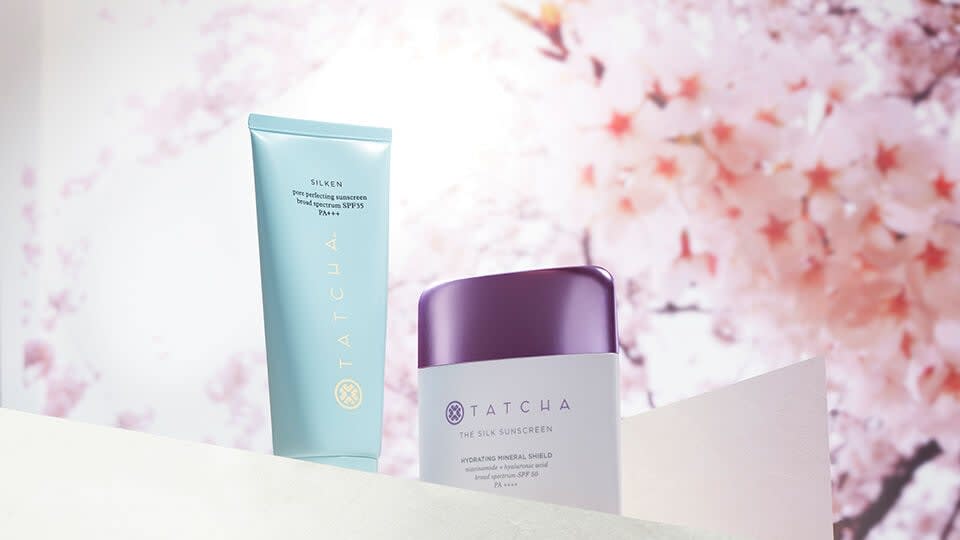
At Tatcha, we take the task of protecting your skin from UVA and UVB rays very seriously. We’ve diligently tested and perfected our broad-spectrum SPFs to ensure they not only protect but also feel great on the skin. Choose between two SPF options.

Best Mineral Sunscreen

Looking for a silky, lightweight, invisible sunscreen with 50+ mineral coverage? Grab The Silk Sunscreen, a broad-spectrum formula that protects against UVA and UVB rays with 10 percent zinc oxide for a mineral, reef-safe filter. Not only does the Silk Sunscreen feel impossibly light, but the invisible protection also impressively minimizes pollutant and allergen disruption. And as the name suggests, the formula features silk proteins, which allows the silky liquid to provide a protective veil of hydration without weighing skin down. In addition to silk extracts, niacinamide visibly evens skin tone, reduces redness, and visibly firms the look of pores and hyaluronic acid helps to immediately boost skin’s natural moisture levels, softness, and skin tone.

Best Mineral and Chemical Sunscreen

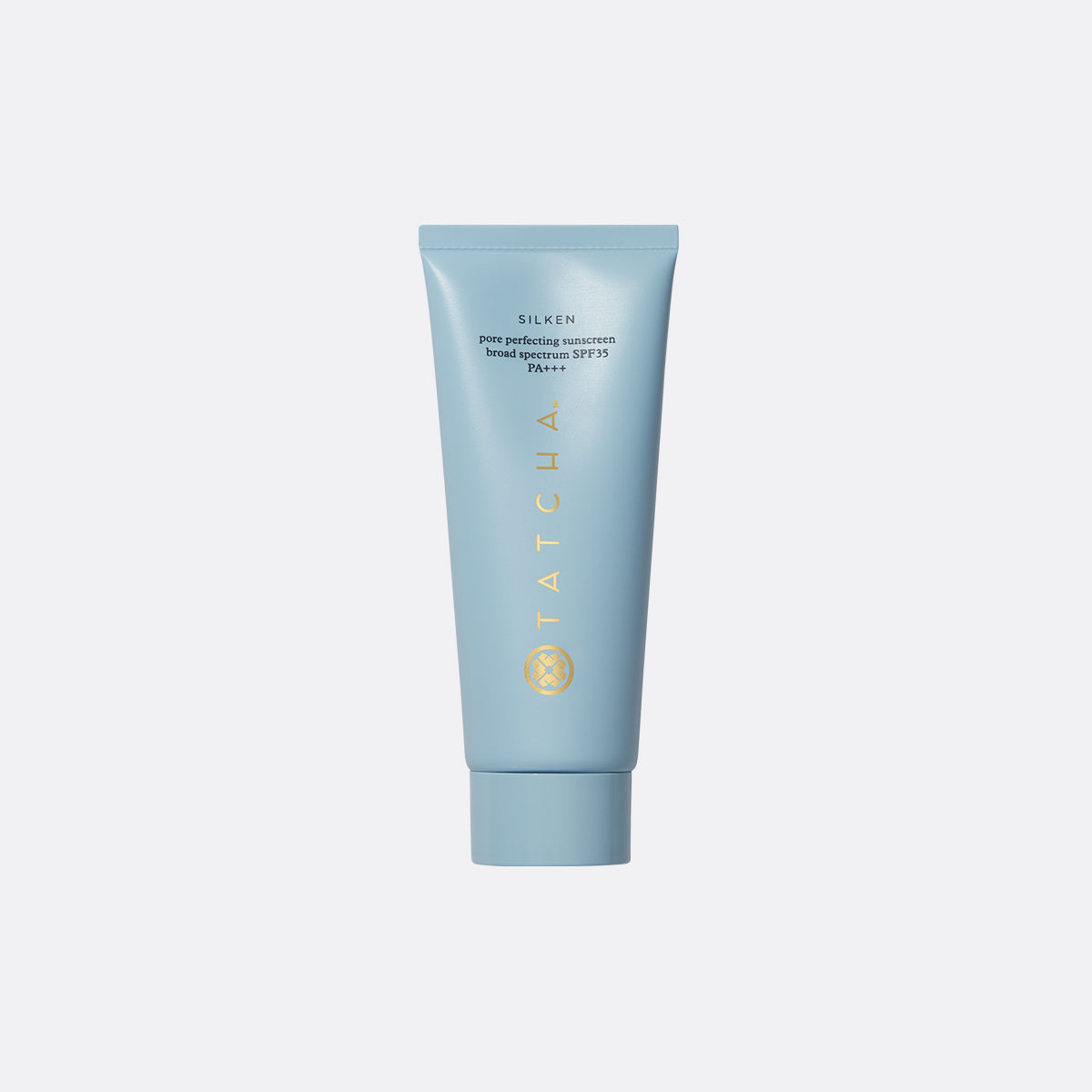
If you prefer a creamy sunscreen with both mineral and chemical protection, our bestselling Silken Pore Perfecting SPF 35 Sunscreen is a superb option. The non-comedogenic and non-irritating formula features skin-loving ingredients that not only protect the skin, but also help tighten the appearance of pores, smooth skin texture, and calm visible irritation. The Silken Pore SPF also features our beloved silk extract for a silky feel, allowing the sunscreen to apply flawlessly. Also, the formula doubles as a primer for makeup, letting you save time and effort.
Related Products

Bestseller Silken Sunscreen SPF 35

Soft Matte Sunscreen

Sale price $72
(1)

Recent Posts

View all
Is Matcha Good for Acne?
Caring for SkinJun 11, 2026
Is Matcha Good for Acne?

Matcha is a special type of finely powdered green tea prized for its bright green hue, distinct cultivation practices, ceremonial preparation, and transformative health benefits. The tea is linked with many health benefits, from improving mental alertness, fighting free radicals thanks to the potent antioxidants, and boosting numerous cognitive functions.  Additionally, matcha is also proven to be wonderfully beneficial for reducing blemishes when applied topically, an impressive fact proven by numerous clinical studies.

The Best Foaming Facial Cleanser
Caring for SkinJun 11, 2026
The Best Foaming Facial Cleanser

Foaming cleansers can be effective for all, but the secret to using them correctly is discovering a formula that is ideal for your skin type. A creamy foaming cleanser, which imparts a soft hydration onto the skin as cleansing, is more ideal for dry skin, while a refreshing foaming cleanser that includes oil-balancing ingredients is more ideal for combination and oily skin tones. Some formulas work by allowing the dense bubbles to grasp onto debris, sebum, and makeup, washing away in a single step. While other formulas might need an oil cleanser first to break down these trickier long-lasting ingredients. 

The Best Blemish Begone Skincare Products
Caring for SkinJun 10, 2026
The Best Blemish Begone Skincare Products

Blemishes can be caused by a variety of things, and are a fact of life. But choosing the right skincare products can help you keep breakouts at arm’s length. Blemishes happen to all of us. But to some of us, they happen more often than not. We call ourselves blemish-prone. And in addition to our usual skincare routines for morning and night, we make active choices about the products we use to make sure blemishes stay away. The word blemish, from the French blessmiss—to make angry—might be the most polite way to refer to many types of skin blemishes like acne, pimples, zits, and all of the other names we ascribe to those skin reactions that cause small unusual bumps. A bit ironique, considering that the word we now associate with acne connotes an imperfection or something else wrong. And while acne can be caused by imbalances in the skin, it’s common enough for all of us not to make it such a big deal. These are not mountains. They’re even much smaller than molehills. Still, those who deal with blemish- or acne-prone skin know that not all skincare products are created for the same skin type. All of us need to choose the right cleanser and moisturizer for our skin, but how we do so is up to us—and, usually, to the specifics of our skin’s behavior. A dermatologist should be your first stop on your skincare journey, but the following guide can help shed a little light on the acne-prone skin type, and some of the common skincare choices (and the optimal acne skincare routine!) made by those who have it. What is blemish-prone skin? Blemish-prone skin is another term for oily skin, which is one of the major skin types. Oily skin is usually categorized by skin that produces more sebum than so-called “normal” skin, but there are a few ways to glean more information about how your skin behaves at baseline. “Oil” is a poetic name for sebum, the waxy substance made of lipids like cholesterol, squalane, and glycerides that is secreted from sebaceous glands that sit within pores and hair follicles. Sebaceous glands are an important mechanism that our skin uses to moisturize and protect itself. Many of our sebaceous glands can be found on our faces and scalps, though there are a few places we don’t have sebaceous glands—like on our lips, or the bottoms of our feet. Sebum is a protective substance that helps to seal moisture by shoring up our skin barrier. In other words, it’s a good thing to have. But those with oily skin can have too much of it, and too much can lead to a higher incidence of breakouts. While oily skin can be a genetic trait, it can also be influenced by the environment around us—the climate, for instance—and our own behaviors—like how we take care of our skin. How do blemishes occur? You’re unlikely to find the term “blemish” in dermatology coursework. Generally, when we’re talking about a blemish, we’re talking about a form of acne, which is described most concisely as a blocked hair follicle. The pores that dot our skin are small channels that house sebaceous glands and hair follicles; they help traffic sebum up and out of skin. When sebum and dead skin clogs a pore, it may become what is called “common acne”, though there are a few types. Blackheads and whiteheads are caused by sebum buildup, and are distinguished by whether or not they’re open (and black) or closed (and white). When an infectious bacteria is introduced, it can cause a more robust infection, resulting in other forms of acne like papules and pustules that are painful to the touch. If you need help identifying what kind of blemish has popped up on you, head to your nearest dermatologist’s office to find out. What are the most important blemish skincare steps? Perhaps the most important thing to do in the face of acne is: Not panic! Breakouts happen to all of us, and usually fix themselves on their own. But if you identify with the oily skin type, and find yourself devoting more time to quelling breakouts than you’d like, you might want to consider some of the skincare products for oily skin, which are popular among those with acne-prone skin. A few common switches include: Cleansing with a gel. Dermatologists at the University of Florida Health once proclaimed that “the most important thing you can do for oily skin is to keep your skin clean.” Those with oily skin may want a cleansing formula with more reach than surface-level face washes—something that can cleanse pores deeply, ensuring they remain clear of acne-causing buildup. Gel cleansers are usually the ones for the job. Water-based gel cleansers are slippery, clear, and tend to foam up. Tatcha’s brand new Matcha Cleanse is a soapless gel that deeply decongests pores— thanks to a unique gel-to-foam texture—to reduce oil, and visibly calm skin without stripping. The Matcha Foam Cleanser takes on oiliness with a gentle touch: balancing the microbiome, soothing, and calming. Exfoliating with acids. There’s a reason that the inventors of alpha hydroxy acids have been honored all over the world. Their contribution to skincare includes one of the most popular exfoliating acids of all time—and it’s a boon for those with oily skin. AHAs, as they’re known, help to “peel” the skin by breaking down the bonds between old and new skin cells. Exfoliation is essential for all skin types, but the ease of AHAs and their efficacy in removing dead skin makes them great for oily skin. They’re commonly recommended to those with oily and acne-prone skin, especially in the form of a daily treatment. A product like the Texture Tonic, which takes the form of a lightweight daily toner, allows you to fit gentle exfoliation into your regular skincare routine—right between cleansing and moisturizing. Its AHAs come from a cornucopia of fruit sources proven to resurface uneven and dull skin—leaving it smooth and radiant. Moisturizing with water Sure, the idea of moisturizing with nothing but water may sound counterintuitive, or downright impossible. And yet it's the animating idea behind the Water Cream, Tatcha’s best-selling moisturizer for oily skin. This lightweight, oil-free cream has a bursting effect when applied, flooding the skin with vital and necessary hydration. It’s also beloved for its powerful superplant ingredients that address traits commonly found in oily skin, like antioxidant-rich wild rose (which has the benefit of smoothing the appearance of large pores) and anti-inflammatory heartleaf extract (a natural azelaic acid alternative). Masking with clay When it comes to natural ingredients that help oily skin, you can’t beat clay. Clay helps absorb excess oil, and is said to also draw impurities out of the skin. Anyone who has used a clay mask can attest to its drying powers, which is why it’s not usually a daily ingredient. Instead, it's suited for more irregular use, like in a face mask. The Clarifying Clay Mask, formulated as a treatment for oily skin, uses marine mineral-rich kucha clay sourced from the islands of Okinawa. For centuries prior, Okinawan women have cherished kucha clay for its superb oil-absorbing properties, using it as a hair powder or face mask. When mixed with volcanic ash and exfoliating Japanese konjac, it makes for smoother, clearer skin in no more than three minutes. 180 seconds per week may not alone calm oily or blemish-prone skin, but good holistic skincare habits will.

View all

Subscribe to our newsletter

By signing up, you agree with our privacy policy.