



With new skincare formulations launching weekly, deciphering what’s right for your skin begs complicated questions. Skincare dictated by calendar schedules? Unexpected, potentially irritating reactions? Confusing percentages? Retinol can provide potentially beneficial results, but it also comes with complications.
At Tatcha, we believe your skincare routine shouldn’t require its own calendar. Instead, our kind-to-skin Japanese philosophy supports skin’s healthy barrier function, while never being too aggressive. Bottom line: Retinol is complicated! But retinol alternatives are not. These potent botanical ingredients can mimic the benefits of retinol without any of the confusing woes. Below, we uncover the best retinol alternatives and how they can benefit your skin.
Cranberry Extract
The humble cranberry is surprisingly a superfood. Indigenous to the North American continent, cranberries contain a long list of skin benefits and are also a wonderful natural retinol alternative. Extracted from the cranberry fruit, cranberry extract is full of antioxidants, collagen, and elastin that support the skin’s healthy appearance, radiance, and barrier function. The superfruit is also a potent active ingredient with natural peptides that address the appearance of aging, helping to boost skin structure and firmness.
With consistent usage, the cranberry extract eases dryness, reduces the appearance of wrinkles, and imparts skin with a healthy glow. The extract also helps maintain skin’s natural homeostasis, while plumping and supporting the barrier for smoother, more radiant-looking skin.
Sea Fennel
Sea fennel is a marine botanical, grown in or along the water. Commonly used in the kitchen, thanks to its tasty, salty notes, sea fennel is also a wonderful addition to your skincare routine. It naturally has retinol-like properties, stimulating the skin to increase collagen production as well as helping with skin’s natural exfoliation process.
Sea fennel is packed with radiance-boosting ingredients, like Vitamin A, C, and E, plus peptides. Sea fennel’s natural iteration of Vitamin A is much more gentle on the skin’s surface, allowing it to exfoliate, reduce pigmentation, and boost collagen, while remaining calming and soothing to the skin. In fact, the extract generates zero inflammation on the skin, meaning it’s incredibly soothing to the skin’s barrier. Sea fennel’s Vitamin C zeros in on skin’s overall brightness, while Vitamin E protects and hydrates skin, preventing moisture loss. Lastly, the extract’s peptides help to support skin’s firmness, smoothness, and youthful appearance.
Sea fennel is a wonderful retinol alternative for sensitive skin. It helps skin’s natural exfoliation process and provides retinol-like results while calming and soothing.
Bakuchiol
Bakuchiol is a botanical extract derived from the psoralea corylifolia plant. The potent antioxidant may be a tricky name to pronounce, but it’s worth remembering: bakuchiol is a wonderful retinol alternative for sensitive skin. One of retinol’s greatest weaknesses is sun sensitivity. But that’s precisely where these natural retinol alternatives shine — all three are not sun sensitive, meaning they can be applied during the daytime and won’t cause skin sensitivity to the sun.
Backuchiol’s popularity has been piquing in the last few years, and science can back up its hefty claims too. In a 2019 clinical trial, bakuchiol was proven to address signs of aging, helping to decrease the appearance of fine lines and wrinkles, plus decrease signs of hyperpigmentation, just as significantly as retinol, but without the scaling or stinging.
Bakuchiol has proven it can stimulate collagen and aid in cellular turnover, making it a promising (and more tolerable) alternative to retinol.
At Tatcha, we’ve never formulated with retinol. Not only do we believe in caring for and nurturing the skin, but the potent ingredient has the potential for irritation, skin barrier degradation, and even the risk of birth defects. Plus, there are so many incredibly inventive retinol alternatives available today, many that can mimic retinol and provide impressive results. Our Japanese philosophy believes in putting the care back into skincare.
Best Retinol Alternative
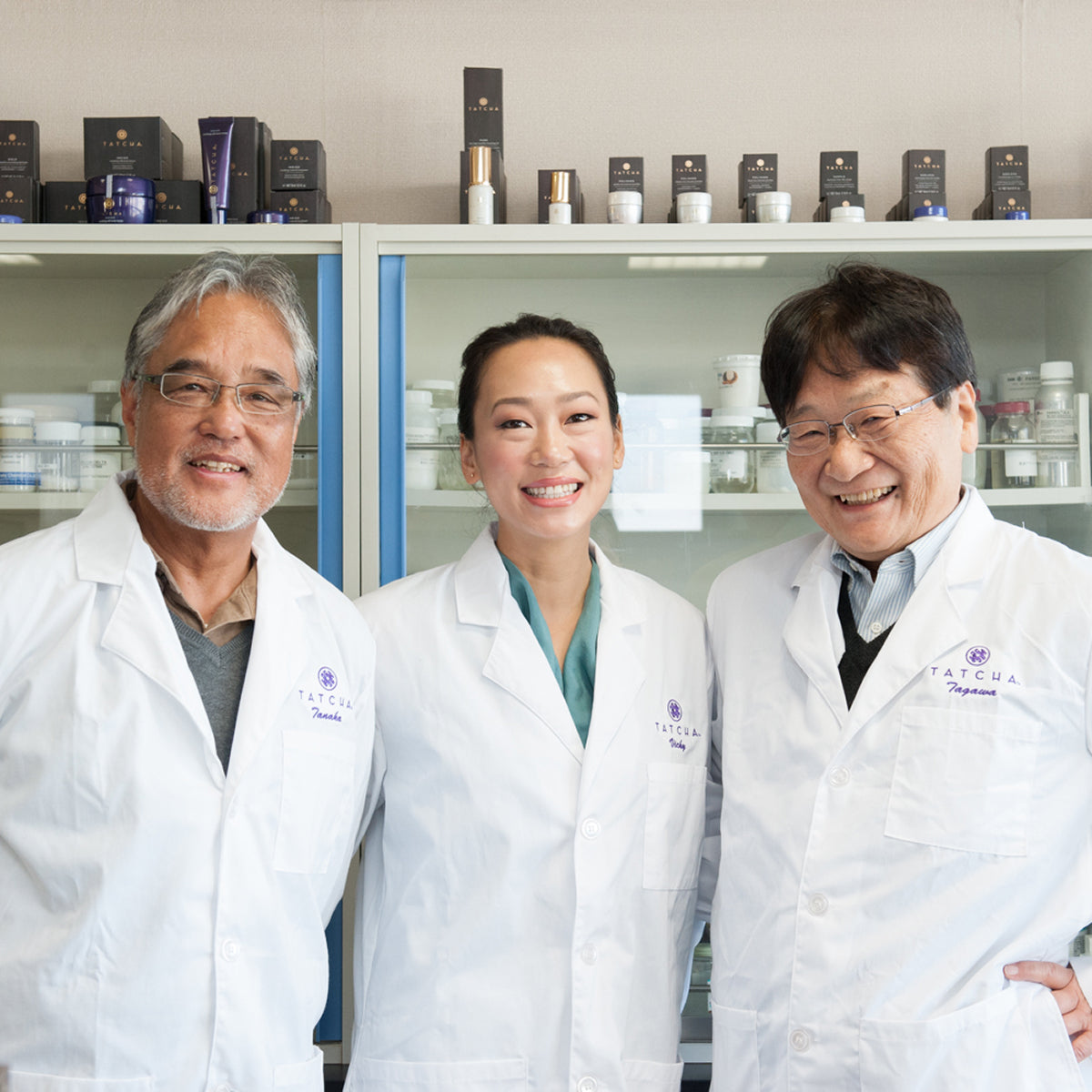
The R&D team at the Tatcha Institute has been searching high and low for years for an uncomplicated, easy-to-use, and powerful retinol alternative. After extensive testing, they have found the best results with a highly effective duo of plant-based retinol alternatives: upcycled cranberry extract and sea fennel. Together, the duo acts on the same factors as retinol to support natural skin turnover and give the look of collagen-rich skin.
We’re pleased to introduce you to The Silk Serum, an innovation in retinol alternatives, which delivers the wrinkle-smoothing power of retinol in a positively potent alternative you can trust. Unlike Vitamin A derivatives, which must be started slowly to build up a tolerance, The Silk Serum is made to use when you want, up to two times daily starting day one. No ramp-up time or complicated skin-cycling is necessary.
In addition to these impressive retinol alternatives, The Silk Serum also includes silk, which nourishes and softens for a healthy-looking complexion, as well as our beloved Hadasei-3 proprietary complex to hydrate and support the skin barrier. Together, the serum delivers the power of retinol without compromising.
Not only is The Silk Serum effective, it’s ethically made. Tatcha’s potent botanical extracts are sourced from companies that are committed to sustainable and responsible practices. To extract the fruit, an innovative process called eco-extraction is utilized to reduce energy consumption and waste, while also preserving the ingredient’s quality and potency. The cranberry fruit extract is upcycled, utilizing a vital part of the fruit commonly discarded. And the sea fennel is sustainably harvested on the Brittany coast of France, particularly selected for its ethical and certified harvesting practices.