

Indigo dye: The rich, brilliant blue hue is captivating. But the dye’s historic past, process, and multi-purpose uses are just as fascinating as the wondrous blue shade itself. Below we dive deep into five fascinating facts about indigo, uncovering everything you’ve wanted to know about the unique dye. Plus, how to incorporate indigo into your daily life.
What Is Indigo Dye?
Indigo dye is an ancient pigment, created through the process of turning leaves from the Indigofera plant into powder, boiling the powder down into a rich liquid, and then fermenting the dye until it can provide its distinctive blue color.
What Does Indigo Dye Come From?
Indigo dye has been used for thousands of years, spanning numerous continents, cultures, and methods. From ancient Mesopotamia to Peru to West Africa, indigo has a beautiful and expansive heritage. The birthplace of indigo is India, where the natural dye was commonly dried into cakes for easy trade and transport.
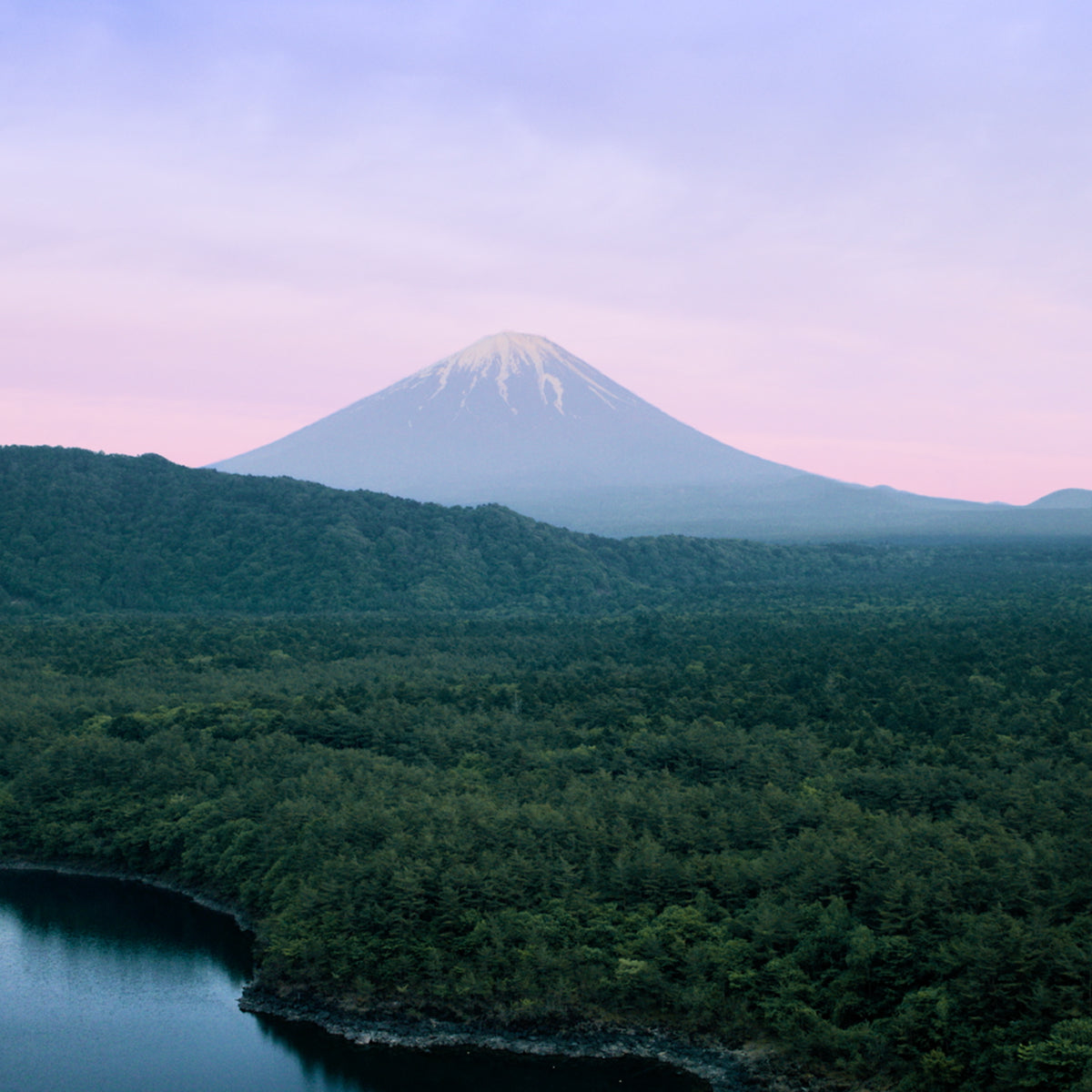
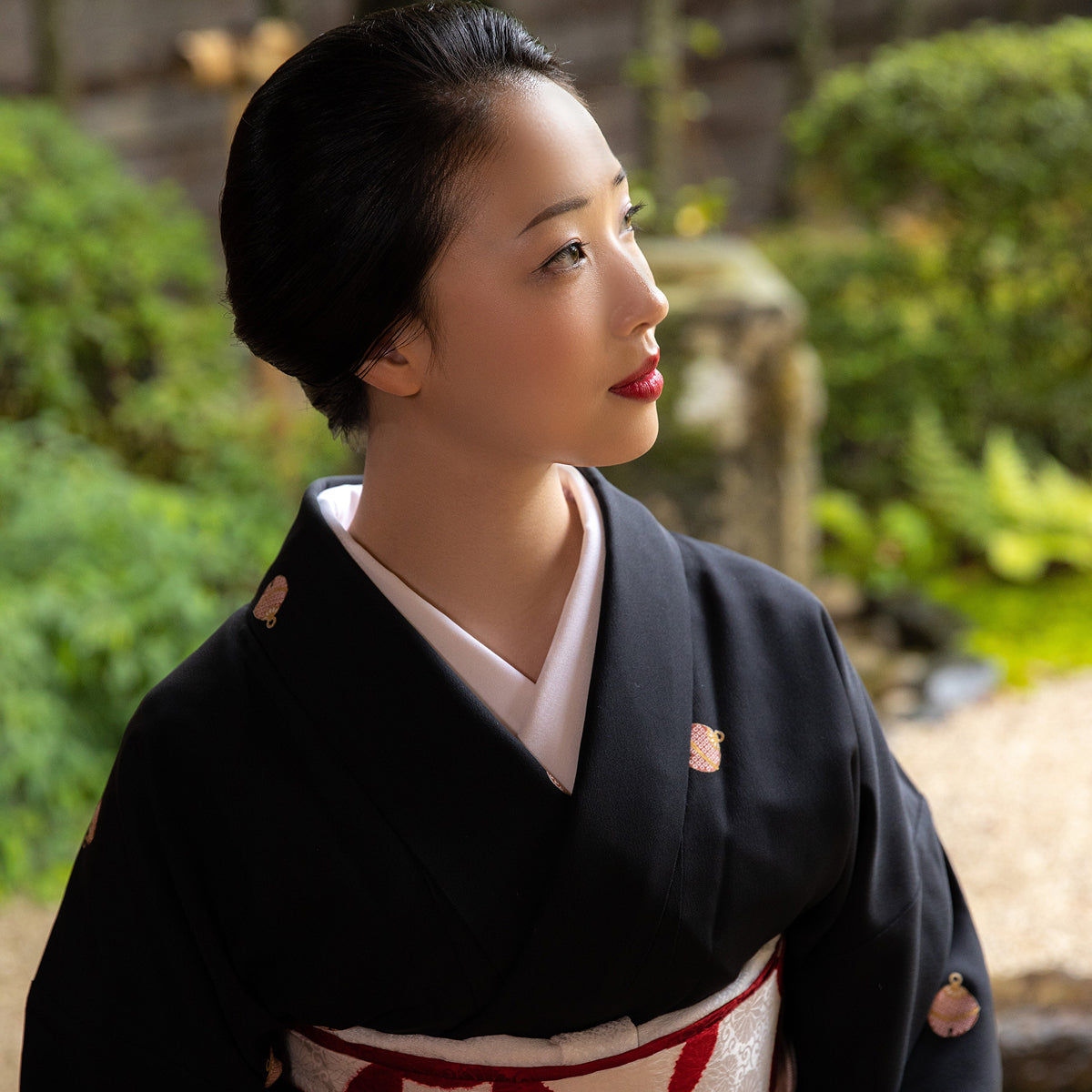
In Japan, indigo holds a rarified place in culture because of its long history and symbolism. During the Edo Period, Japan’s noble Samurai wore a layer of indigo-dyed cloth beneath their armor to aid in the healing of injured skin, earning it the name “Japan Blue.”
As we’ll uncover below, indigo has as many aesthetic uses as it does medicinal purposes. Here are five fascinating facts about indigo and the dyeing process.
-
Indigo Is A Living Dye
Unlike synthetic pigments or dyes, plant-based indigo dyeing uses indigo leaves that are harvested in the late summer months. The plants undergo a fermentation process in large vats, bubbling up and appearing to breathe. Bubbles on the surface indicate a good-quality indigo. This is why many artisans say that their indigo is alive. -
Indigo Dye Is Not Blue
Even though you may know indigo as a richly blue color, indigo dye is first green and gradually turns blue when it comes in contact with air. Once the indigo brew turns a bright jade green, artisans know it’s ready for dyeing. The transformation is a magical process, the result of the harmony between the air, temperature, humidity, and the plant itself. Each time, the color is wholly unique, providing a transformation of green to blue that still remains a captivating mystery with each batch. -
Indigo Tone Depends On The Plant
Each Indigofera plant develops its own shade of color – one variety can be vastly different from another. For example, the Japanese indigo plants native to Okinawa, known as Ryukyu-ai, are unique from other varieties of indigo because they yield a gentler, softer blue. They have a little more red, warming the tone. According to local folklore, the Ryukyu-ai leaf is beloved not only for its beautiful blue but also for its ability to ward off snakes and insects. -
Japanese Indigo Has A “Colorful” Past
Since the Edo Period, Japanese indigo has been one of the most commonly-used dyes in Japan. The medium-blue hue is so commonplace that it is referred to as “Japan Blue”. The shade is so synonymous with the country that the Japan National Football team has embraced the history of the rich hue, thanks to their nickname of the “Samurai Blue”. -
Indigo Is Healing For The Skin, Too
Just as Samurai wore protective indigo layers to heal injuries, indigo farmers discovered the soothing and restorative properties of the legendary botanical after noticing their hands' youthful and calm appearance. The plant is prized for its anti-inflammatory and antibacterial benefits, providing long-lasting relief, especially for sensitive skin and psoriasis.
Skincare Products That Feature Indigo
At Tatcha, we treasure the backstory and artisans of indigo. We are so inspired by the hue that we harnessed the powers of the therapeutic ingredient into our calming collection, from moisturizers to hand creams. Here are a few products to try if you’d like to incorporate indigo into your daily ritual (sans the traditional blue staining, of course).
- Indigo Face Moisturizer
The Indigo Cream is a multi-tasking, fragrance-free moisturizer that delivers therapeutic relief and long-lasting hydration. It’s even been awarded the prestigious and rarefied National Eczema Association Seal of Acceptance. - Indigo Skincare
Japanese indigo can also be found in our newest intensive treatment, the Indigo Overnight Repair, for a calming, hydrating experience. Wake up to healthier-looking, more calm skin. - Indigo Body Moisturizer
If your body needs a soothing experience, try our Indigo Soothing Body Butter, which features indigo, squalene, and colloidal oatmeal to heal and hydrate all skin types, even sensitive ones. -
Indigo Hand Cream
Do your hands need some healing TLC? Grab the Indigo Soothing Hand Cream, which is a concentrated dose of indigo, silk extracts, and squalane for a restorative, softening treatment.
We’re indigo mega-fans, from indigo facts to indigo dye sources (especially Japanese indigo dye!) to therapeutic indigo skincare products, we love to celebrate indigo and all its beauty. We hope you feel inspired to discover a way to appreciate and celebrate the ancient art form.