




The best anti-aging skincare product on the market comes in a wide—but not too wide—variety. Some cost hundreds, and others cost less than 10 dollars, and they’re sold everywhere from gas stations to department stores. Many of them share the same ingredients—and many of those ingredients are regulated by the government. Yes, the best anti-aging skincare product on the market is probably already in your home, if it isn’t already on your skin: Sunscreen.
Does sunscreen prevent aging? In some ways, the answer is yes. Skin ages naturally due to biological factors, which is why wrinkles and changes in tone and texture are the signs of a life well-lived, and are worth embracing. But many signs of premature aging are brought on by environmental forces, like pollutants in the air or overexposure to the sun. So, yes, a lot of aging is a matter of prevention. And sunscreen is preventative.
But here’s the thing: Even if you were someone who was totally cosmetically unconcerned, sunscreen and other forms of sun protection would still be daily necessities. By protecting your skin from the sun, you are also protecting it from health complications, including one of the most common cancers; any aging skin benefits are merely attendant, but welcome. And by understanding how the sun ages skin, you can quickly understand how sunscreen helps with aging.
How skin ages
We’ll begin on the smallest level we can, beneath an electron microscope. Have you met your DNA’s telomeres?
Telomeres are DNA sequences that live at the end of our chromosomes and help with cell reproduction. Uncontrolled cell reproduction can be dangerous—and a key event in the development of cancer—so our telomeres shorten over time, until the cell reaches the end of its life. Now it can no longer reproduce, and dies off.
As skin cells in particular begin to diminish, the process becomes visible as collagen and elastin proteins decrease in number, resulting in skin-slackening, wrinkles, dryness, hyperpigmentation. This kind of aging is also known as “intrinsic” aging, as a result of our cell biology. But our environments, as well as lifestyle choices, can also accelerate this process. Those who smoke cigarettes, for one example, have been observed to visibly age faster, for a variety of reasons from nicotine’s effect on skin thickness to changes in skin circulation.
This is known as “extrinsic” aging. There are a variety of these risk factors, but according to a 2018 article in the journal Cell Transplantation, exposure to UV light “is the primary factor of extrinsic skin aging.”
How UV light accelerates aging
Ultraviolet light from the sun causes an estimated 90% of visual aging, according to data from the Cleveland Clinic. Unprotected exposure to the sun can manifest in skin changes from deep sagging to dark spots to just about every other known sign of aging.
But what happens on a deeper level is a matter of more concern. Remember those microscopic telomeres? That is how deep UV rays can reach. Ultraviolet light can be described in three varieties, known as A, B, and C. UVC radiation is absorbed by our planet’s atmosphere, but UVB rays reach the outer layer of our skin, right down to our DNA; this kind of radiation can damage our DNA, aging skin or increasing chances of precancerous cell growth. UVA rays are less potent, but go even deeper into the layers of our skin, where precious collagen cells and capillaries reside. Our bodies can repair some of the damage wrought by ultraviolet radiation, but it can’t repair it all. This is why sun protection is an imperative for all people.
This news is a recent development in the history of beauty. As recently as the 2000s, tanning was still seen as a way to enhance one’s appearance, a concept that experts at the American Academy of Dermatology now dispute. They insist that the term “healthy tan” is an oxymoron, and that no amount of tanning is healthy.
How sunscreen works
There are a few mechanisms by which sunscreen works, but the main endeavor is the same: To protect the skin from ultraviolet rays. Some sunscreens use physical filters, like zinc and titanium dioxide, that reflect and scatter UV light, and some use skincare ingredients like octisalate or avobenzone to absorb and neutralize UV light. Others use both to provide a certain kind of skin finish.
Because sunscreens in the United States are subject to approval from the Food and Drug Administration, if you see a sunscreen on a store shelf, you can assume it’s safe to use, and has been tested for efficacy. The sunscreen formulation you use probably depends on your own preferences, as there are numerous differences between physical and chemical sunscreens.
Does sunscreen prevent aging?
By now, the answer posed at the beginning of this guide is clear: Sunscreen absolutely prevents aging, by helping ensure that harmful UV rays don’t reach the skin.
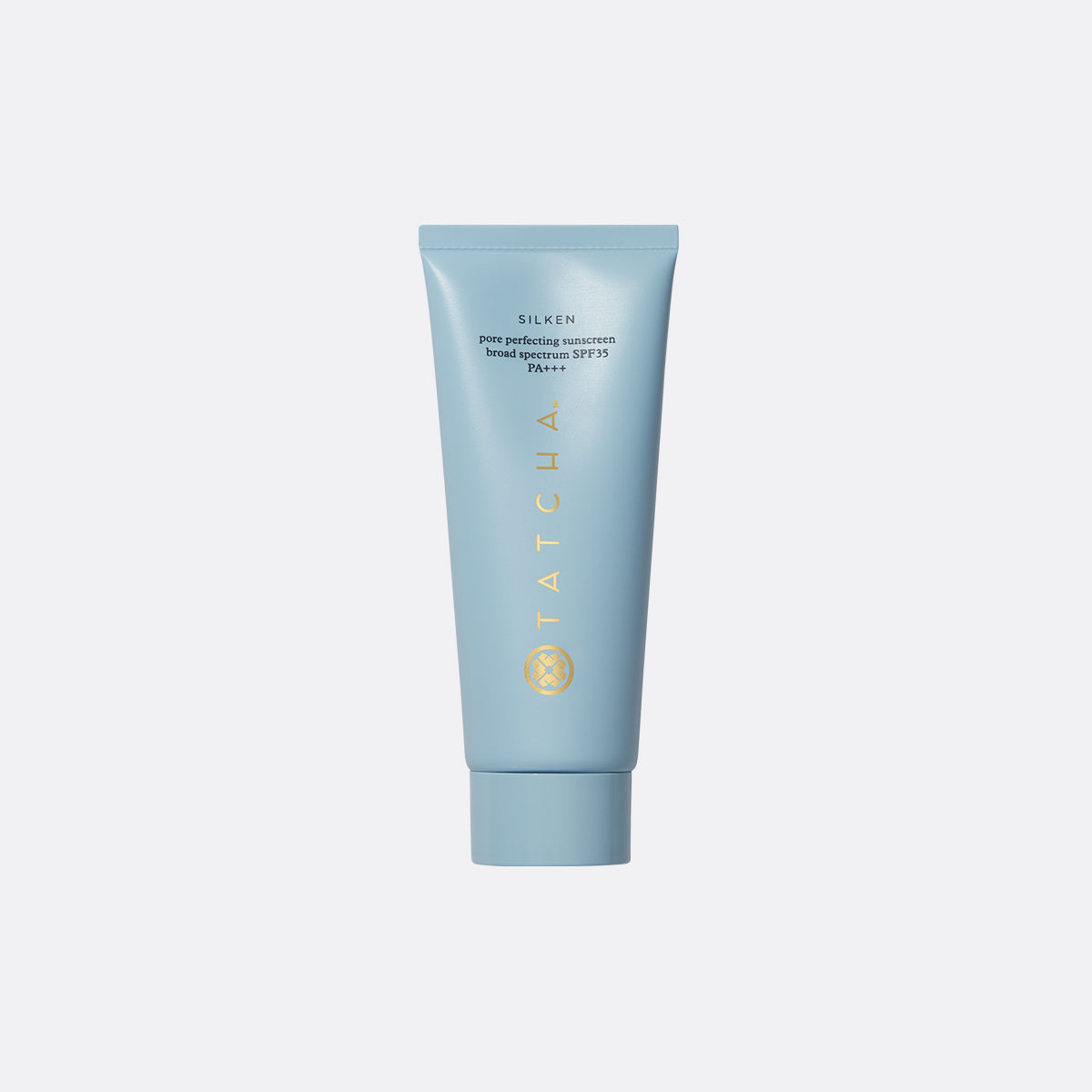
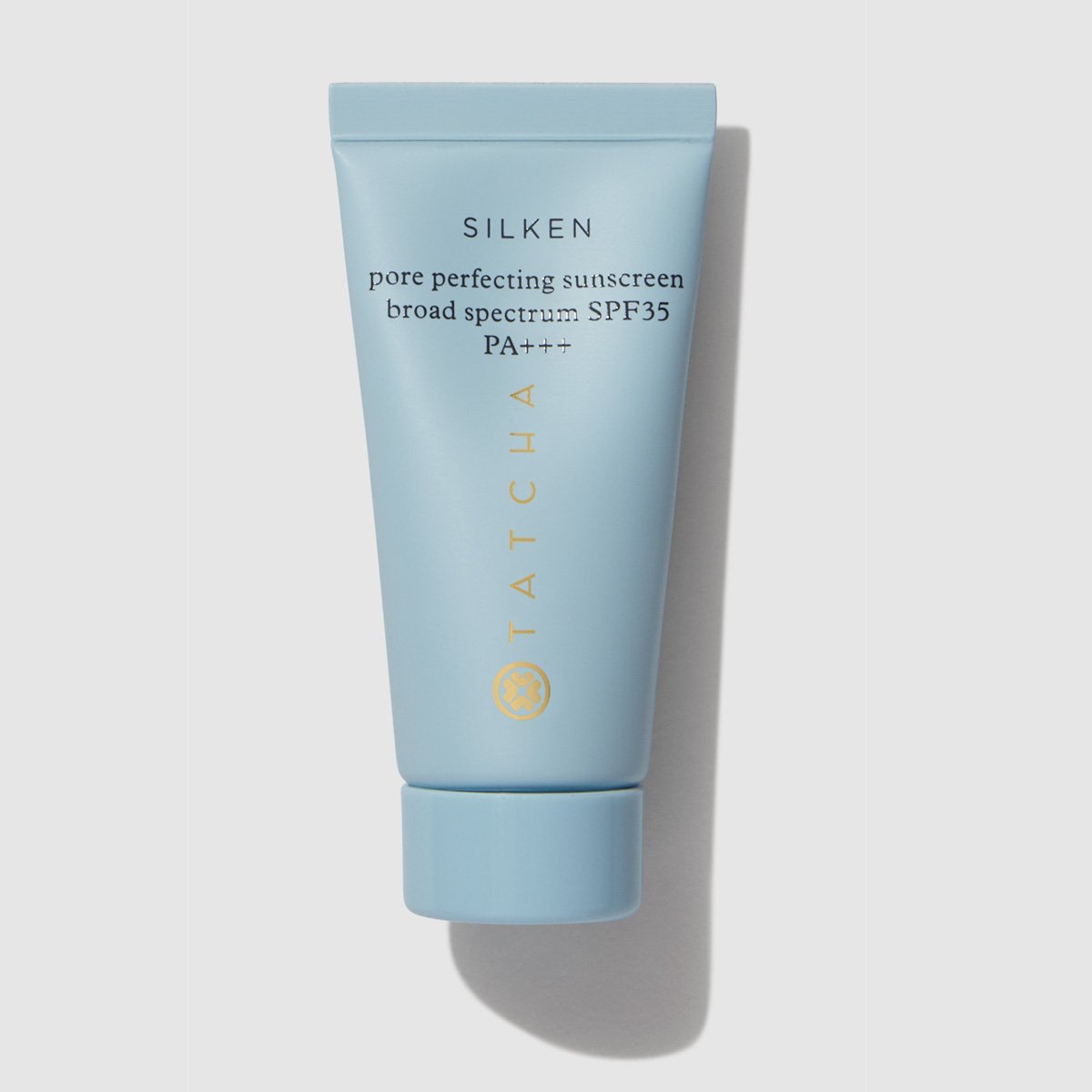
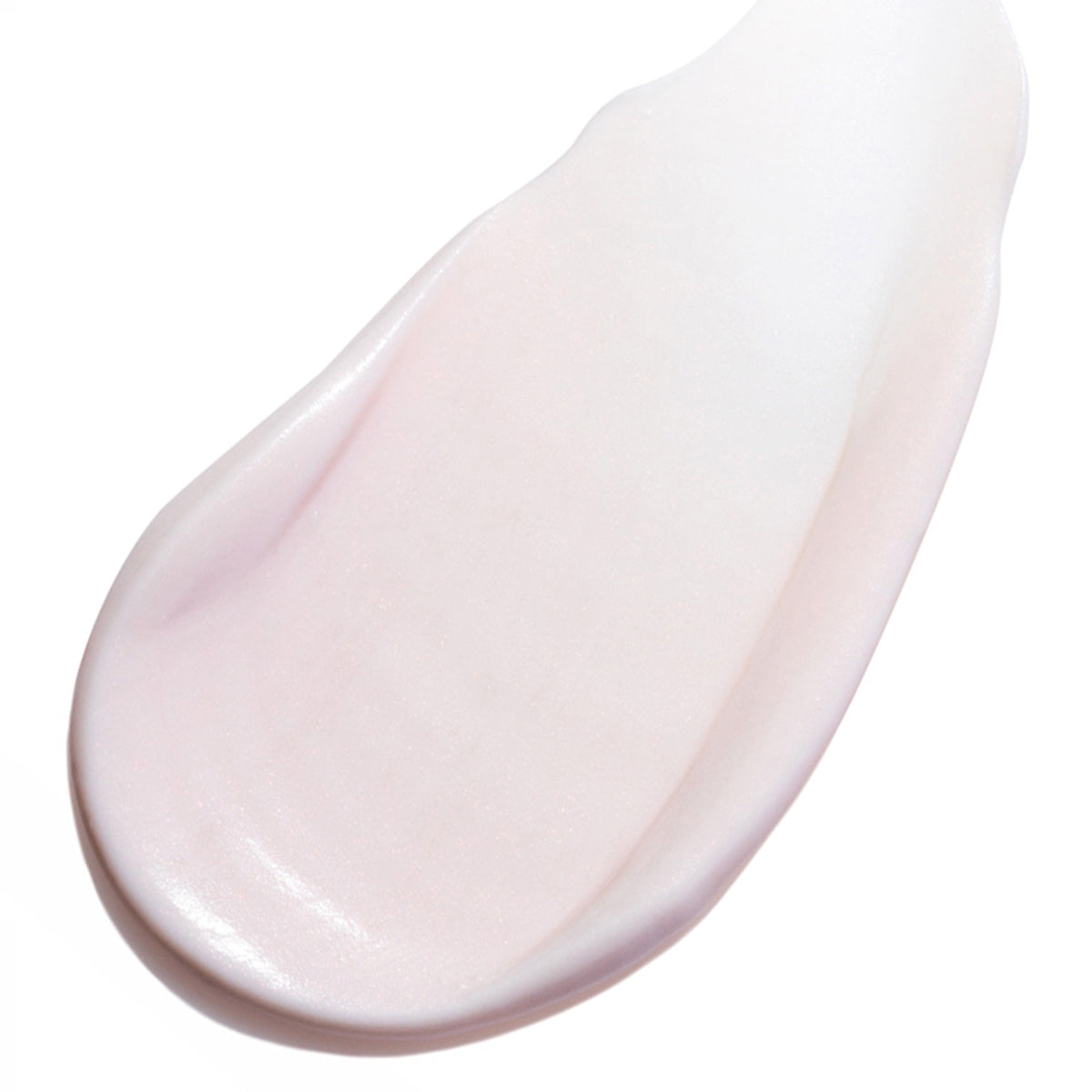
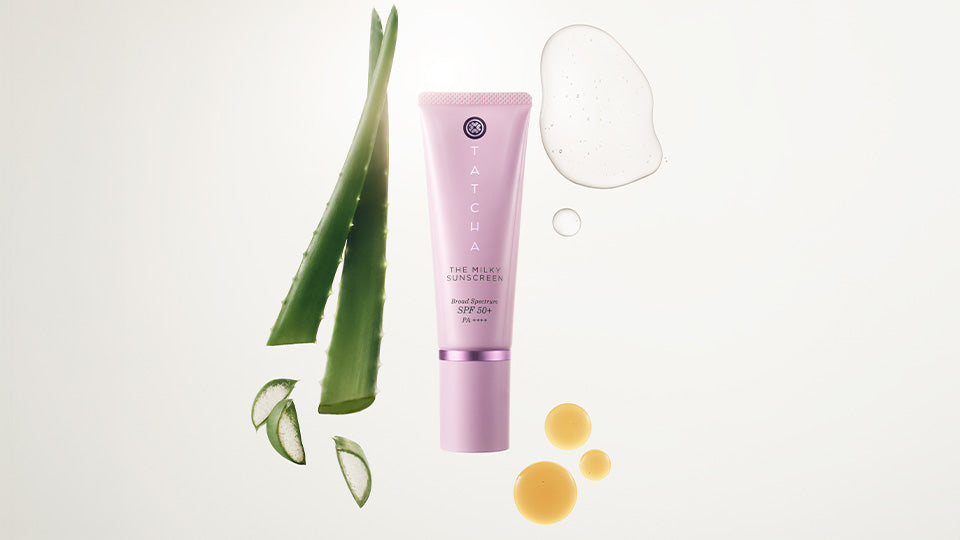
Sunscreen isn’t just good for mature skin types—it’s good for all skin types. And the options are nearly endless. Nowadays there are SPF formulas that offer heavy-duty sun protection in weightless and hydrating formulations, like the SPF 50 Silk Sunscreen from Tatcha. (It’s a mineral formula that glides on to skin like a fine veil.) There are also formulas that tend toward improving skin, or provide a perfect base for makeup. Tatcha’s Silken Sunscreen provides broad-spectrum SPF 35 protection from UVA and UVB rays while smoothing skin and tightening pores—perfect on its own, or underneath a little foundation or concealer.
Sunscreen is one of the most popular and widely implemented forms of sun protection, but it isn’t the only one. The best forms of sun protection are the ones you use, so make sure to find a method you like—and then don’t go a day without it.