









T-House

Is There a Dewy Skin Cream Dupe? What to Try Instead
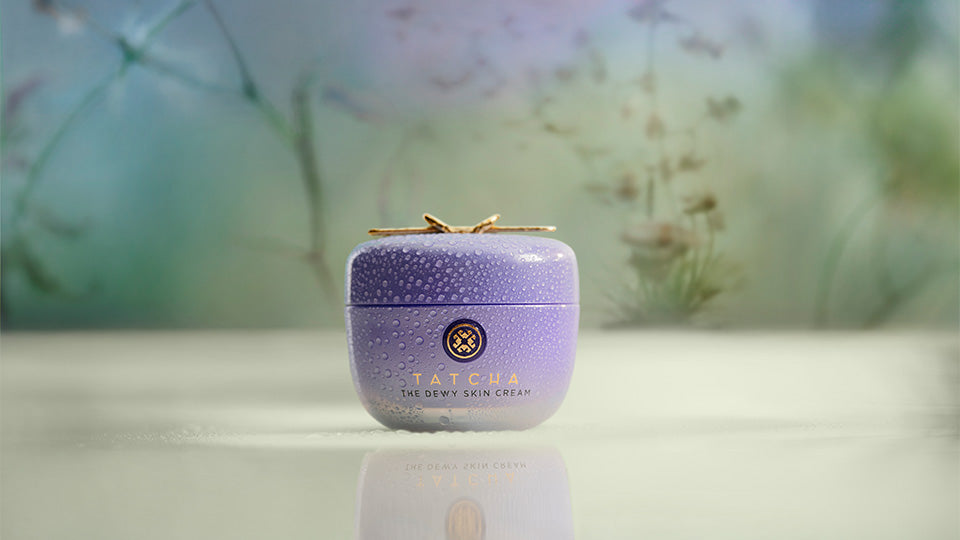
Dupes have never been more popular, but we believe you get what you pay for. They can be wonderful for some types of products, but with a lack of clinical testing, proven ingredients, and proprietary formulas, we worry skincare dupes aren’t worth the lesser price tag. Many have tried to dupe Tatcha’s beloved Dewy Skin Cream, but there’s a reason they can never compete with the original: Hadasei-3. This proprietary formula is the secret to why the moisturizer (and all other Tatcha moisturizers) feel so decadent and hydrating, and why it’s undupable. If price is the barrier, you have better options than a dupe: Start with the mini, refill instead of repurchasing, and use Subscribe and Save once it earns a permanent place in your routine.
The Best Face Products for Dewy Skin
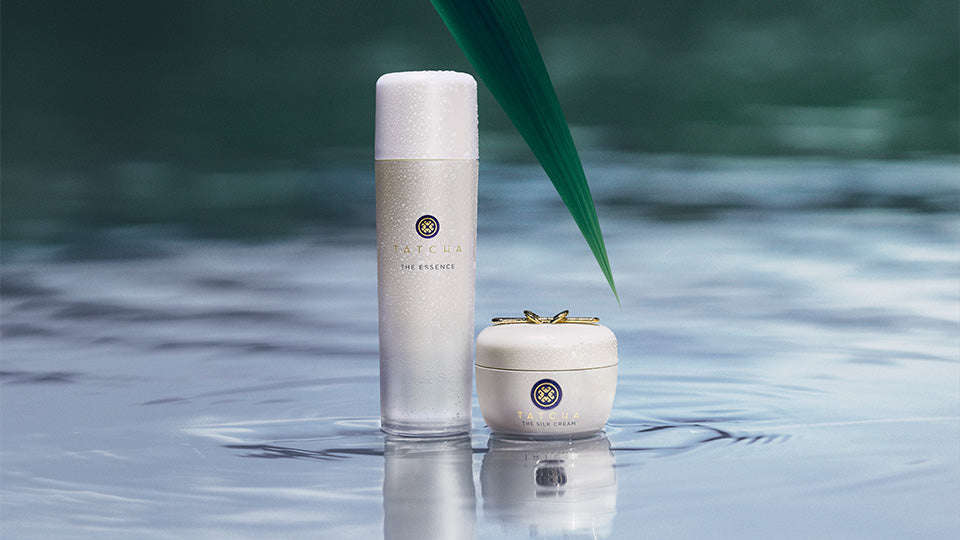
Dewy skin is popular for good reason: it appears luminous, hydrated, fresh, and naturally radiant. Tatcha has spent more than a decade researching and formulating skincare designed to support hydrated, naturally radiant skin. The best products for dewy skin depend on your skin type, preferred texture, and desired benefit. Essences can help prepare and soften skin, serums provide targeted hydration, moisturizers seal in moisture, mists offer an immediate refresh, and face oils add finishing radiance. You do not need every dewy skincare product to create a luminous finish. Start with a moisturizer suited to your skin type, then add an essence, serum, mist, or face oil based on the level of hydration, texture, and radiance you prefer.

Achieve Dewy Skin With These Hydration & Oil Control Tips
The key to dewy skin is proper exfoliation, oil control, and drenching the skin in multiple layers of hydration-focused skincare. To achieve dewy skin, exfoliate regularly and apply successive layers of hydrating products in the following order: essence, serum, moisturizer, and finally either sunscreen (in the daytime) or facial oil (in the evening). If your skin tends to get oily, managing excess shine can help maintain a dewy rather than greasy-looking finish. Use oil-absorbing products that manage long-term oil production, then blotting papers to temper oil throughout the day. Dewy skin can’t be achieved without a healthy lifestyle, though: restful sleep, eating a well-balanced diet, and managing stress not only make your skin more radiant, but also contribute to overall health and well-being.
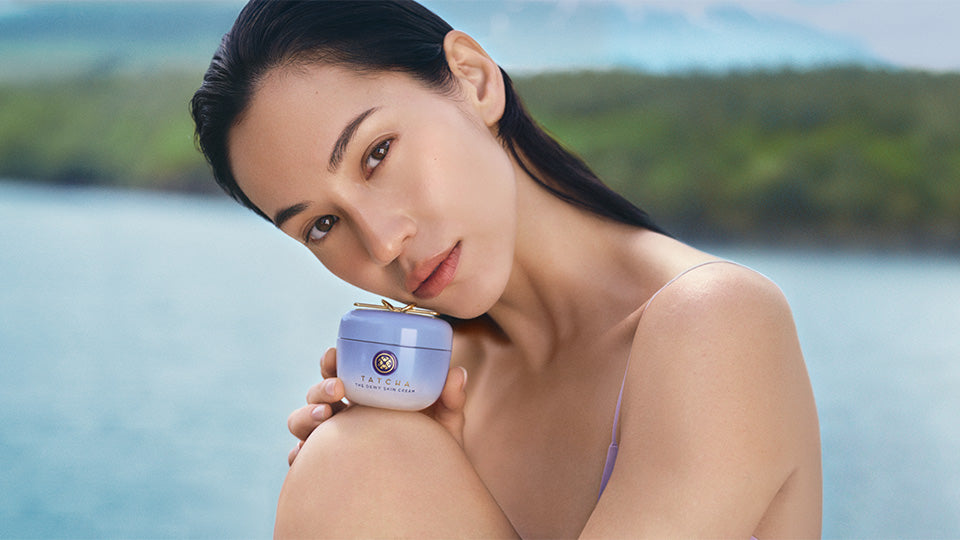
Interview with Kiko Mizuhara: Tatcha's Global Ambassador
In this conversation, Tatcha Global Ambassador Kiko Mizuhara opens up about the intersection of skin and mind—how caring for her body has become a way of caring for her emotions, too. She talks candidly about learning to define her own worth after years of seeking it elsewhere, what Japan's contrasts of softness and intensity have taught her about beauty, and what ritual, rest, and self-acceptance look like for her today.
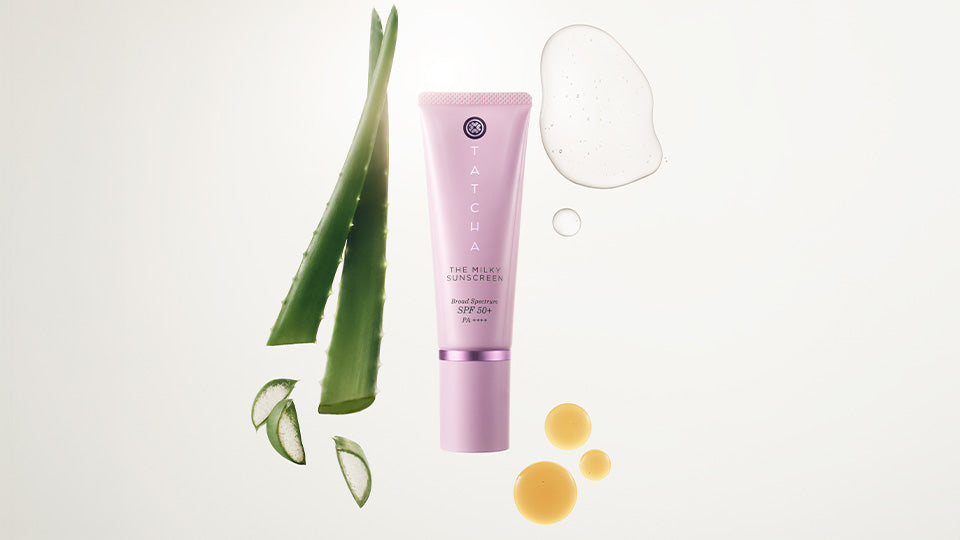
Repair While You Protect: Barrier-Repair Sunscreens Are the Newest Skincare Technology
Sunscreen protects the skin from UV rays, but it is proven to also protect the skin barrier by shielding it from free radicals and preventing dehydration (from repeated sun exposure). However, some modern sunscreen formulas include additional ingredients that can actually repair and strengthen the skin barrier while also shielding from UVA and UVB rays. Look for ingredients that tout their reparative nature, like ectoin, alongside SPF 30+ formulas, to ensure skin is protected while it repairs.
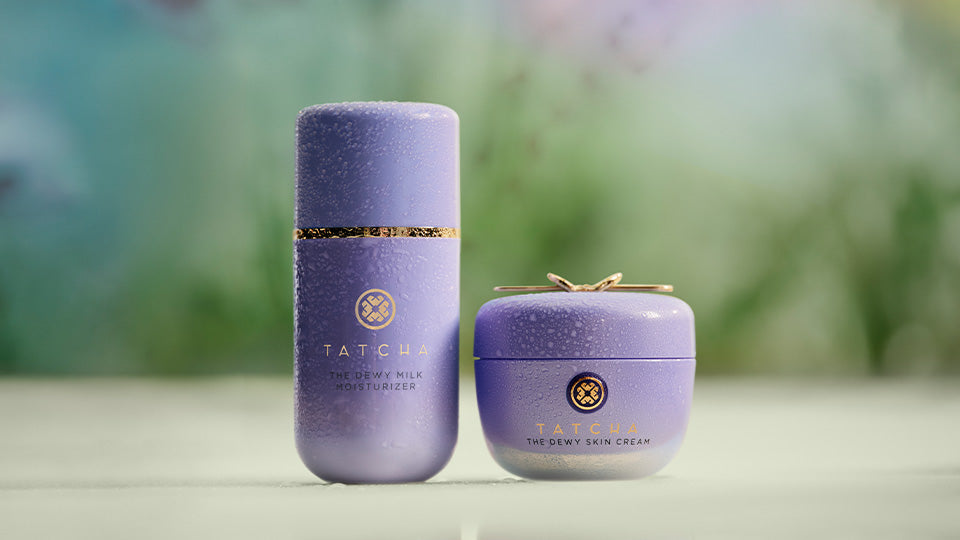
How to Choose the Best Dewy Face Moisturizer
Many moisturizers hydrate, but the right formula can also impart a dewy glow. These options actually work to get the skin naturally glowing over time, which is exactly what Tatcha’s dewy moisturizers accomplish. These formulas are powered by Hadasei-3, a potent and proprietary complex formulated to hydrate, gently resurface, and even make the products applied afterwards work better. Tatcha has many moisturizers, but two specific formulas that embrace dewiness: The Dewy Skin Cream and The Dewy Milk Moisturizer.

What Is Fukubiki?
The Japanese game of fukubiki is a centuries-old tradition still practiced today at seasonal festivals and even retailers. Learn about the custom and how you can win up to 4 complimentary minis for a limited time. What’s your favorite summer activity? If you have the chance to visit Japan, you’ll likely get to experience one of its famous summer festivals, or natsu matsuri. Though each has its own meaning and purpose, at their root most seasonal festivals are held to honor nature’s gifts, reconnect with the community, and pray for good fortune. These vibrant and colorful celebrations are often a showcase of the neighborhood with local craft vendors, dancing, fireworks, carnival games, and even a lottery known as fukubiki. The traditional game is said to have originated in 702 when Emperor Shomu held a New Year’s party where strips of paper were drawn for prizes like a beautiful cloth. Modern versions are sure-win raffles that can be held anytime of year where paper fukubiki are drawn from a wooden box. Fukubiki are said to reveal one’s fortune, and in more recent years, earn you a prize at your favorite retailer from mystery bags to discounts. To bring the spirit of good fortune to you, we’ve started our own fukubiki-inspired tradition. From July 30th to August 9th, everyone will be a winner with a choice of up to four complimentary minis with a $100+ order. You may even win the chance to choose a full-size prize! Ready to try your luck? Get started now.

Dewy Skin Routine
Dewy skin is synonymous with healthy-looking skin. While many products can fake a radiant glow, Tatcha is dedicated to getting your skin naturally dewy. This natural radiance is possible, in part, thanks to Tatcha’s proprietary complex Hadasei-3. Hadasei-3 resurfaces, hydrates, and protects, and is comprised of a special blend of fermented rice, green tea, and algae. Our dewy skin routine is powered by Hadasei-3, the backbone to some of our most glow-enhancing essences, serums, and moisturizers.