




Toners have been a staple in skincare for millennia. But long gone are the astringent, moisture-sucking, skin-burning iterations of the past, now replaced with modern-day balancing and hydrating options, as well as high-tech exfoliating toners. There’s a significant difference between a toner and a liquid exfoliant though – they both have similar base ingredients, but a toner will balance the pH of the skin, while an exfoliant eliminates dead skin cells.
As complicated, 10+-step regimes have begun to go out of vogue in the last few years, replaced with pared-down, more efficacious skincare rituals – you may question a toner’s (or liquid exfoliant’s) place in your medicine cabinet. Does your skin actually need a toner or liquid exfoliant? And if so, which modernized version is right for you? Below, find a crash course on toners vs exfoliators – which formula is best for your skin type, the benefits of each, and our favorite product recommendations.
What Is A Toner?
A toner is a liquid solution used after cleansing to remove any remaining makeup, dirt, oil, and sebum. Toners can also rebalance the skin’s pH, which may be upset after using a harsh cleanser (gentle is the way to go!). Toners can range from gentle, rose-water-based options to more astringent-like alcohol and witch hazel formulas.
What Is A Liquid Exfoliant?
Liquid exfoliants are similar to toners, but often have a chemical acid, whether that’s AHAs, BHAs, and PHAs. The inclusion of a liquid exfoliant in your ritual can help to brighten the surface of the skin, eliminate dead skin cells, and curb excess oil.
What Are AHAs, BHAs, and PHAs – and What Can They Do In A Liquid Exfoliant?
Great question – let’s break it down.
AHAs: Stand for alpha hydroxy acids. The most common AHAs are glycolic, citric, mandelic, and lactic acid. AHAs help address the appearance of skin, targeting dark spots, acne scars, and any other form of hyperpigmentation. AHAs exfoliate the skin’s surface, but they also help ingredients applied afterward penetrate deeper into the layers of the skin (thus boosting the product’s overall effectiveness). This form of acid is great for almost any skin type, although any type of acid should be used cautiously at first to assess skin’s interaction.
BHAs: Beta hydroxy acids are best known for their most popular iteration: salicylic acid. BHAs are synonymous with acne-fighting because they’re oil-soluble and incredibly small molecules, making them capable of penetrating inside the pore, addressing bacteria, sebum, and debris at the root of the problem. BHAs can be irritating for some because they work so deeply and effectively – so use caution when incorporating them into your regime.
PHAs: Polyhydroxy acids are commonly seen as gluconolactone, galactose, and lactobionic acid. While those acid names don’t have quite the star-following of AHAs or BHAs, PHAs have a major benefit over their cousins: less irritation. The molecular size of PHAs are quite large compared to the other acids, making them ideal for sensitive skin. PHAs work very similarly to AHAs, addressing the surface of the skin for a more even-toned appearance.
Benefits Of Using A Liquid Exfoliator vs. Toner
Toners are beneficial, but liquid exfoliants can be game-changing. Here are a few reasons to incorporate an exfoliant into your ritual today.
- Makes Your Skincare Work Better
- By removing dead cells and debris from the skin’s surface, a liquid exfoliant clears the way for all of your other skincare to be more readily absorbed, making your entire routine work more efficiently.
- Improves Skin Texture
- An exfoliant, particularly one with AHAs or PHAs, smooths the surface of the skin, addressing uneven, dull, and dry sections for a more smooth, radiant appearance. Immediate results may be evident, but be consistent – liquid exfoliants work best with consistent usage.
- Unclogs Pores
- Seeking fewer blackheads, clogged pores, and blemishes? There are no miracle products for this type of outcome, but a liquid exfoliant is as close as we’ve got in skincare. They can help reduce excess oil and sebum to cleanse the pores, while also helping to remove surface debris and dirt.
How To Use Liquid Exfoliants
Who are exfoliants right for? Liquid exfoliants are suitable for all skin types (you just have to find your ideal acid), but how frequently you use one might change based on your skin type. While most liquid exfoliants can be used daily, it’s ideal to introduce them to your ritual slowly to prevent irritation. For sensitive skin, that means one or twice a week at first to assess how your skin handles it.
Best Liquid Exfoliant
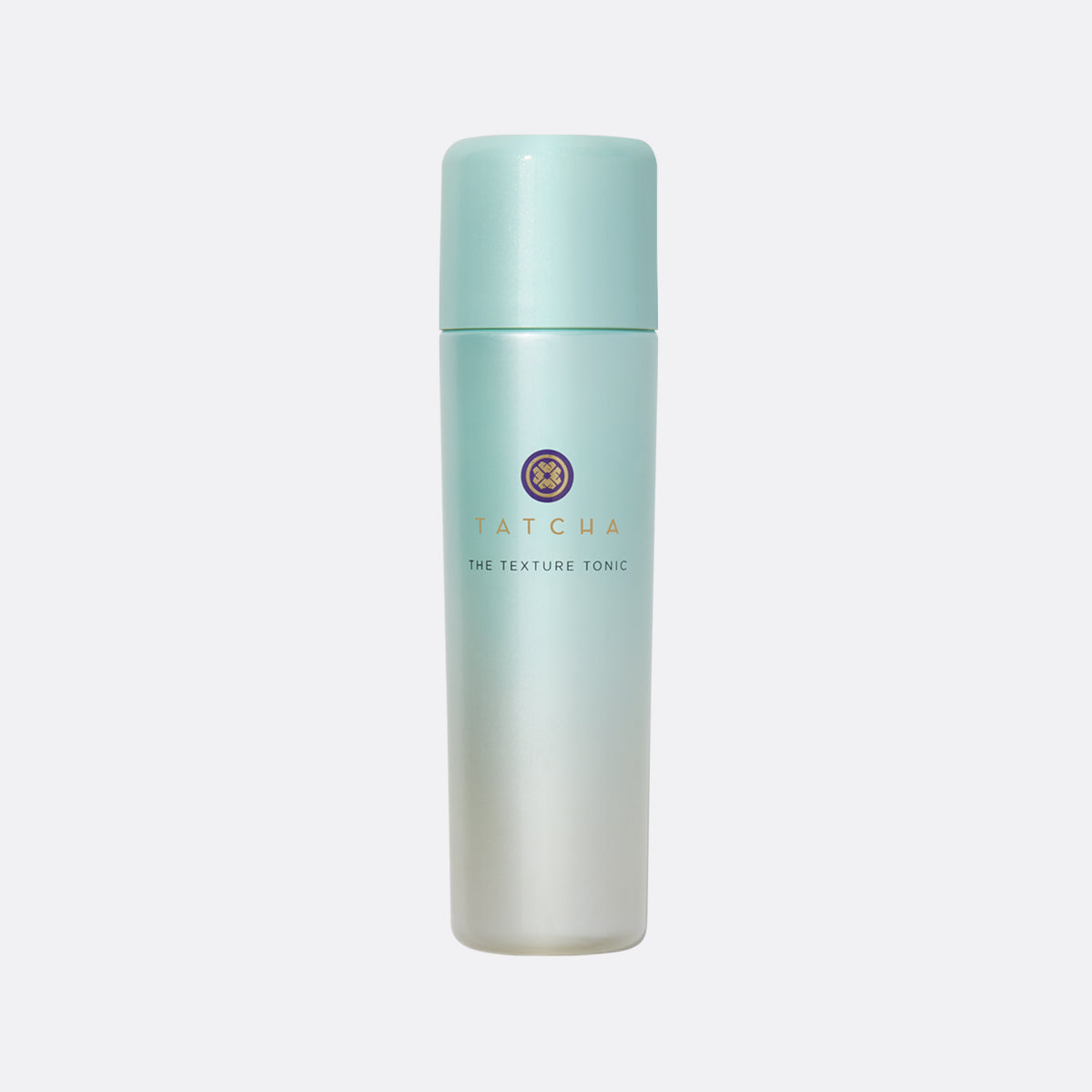
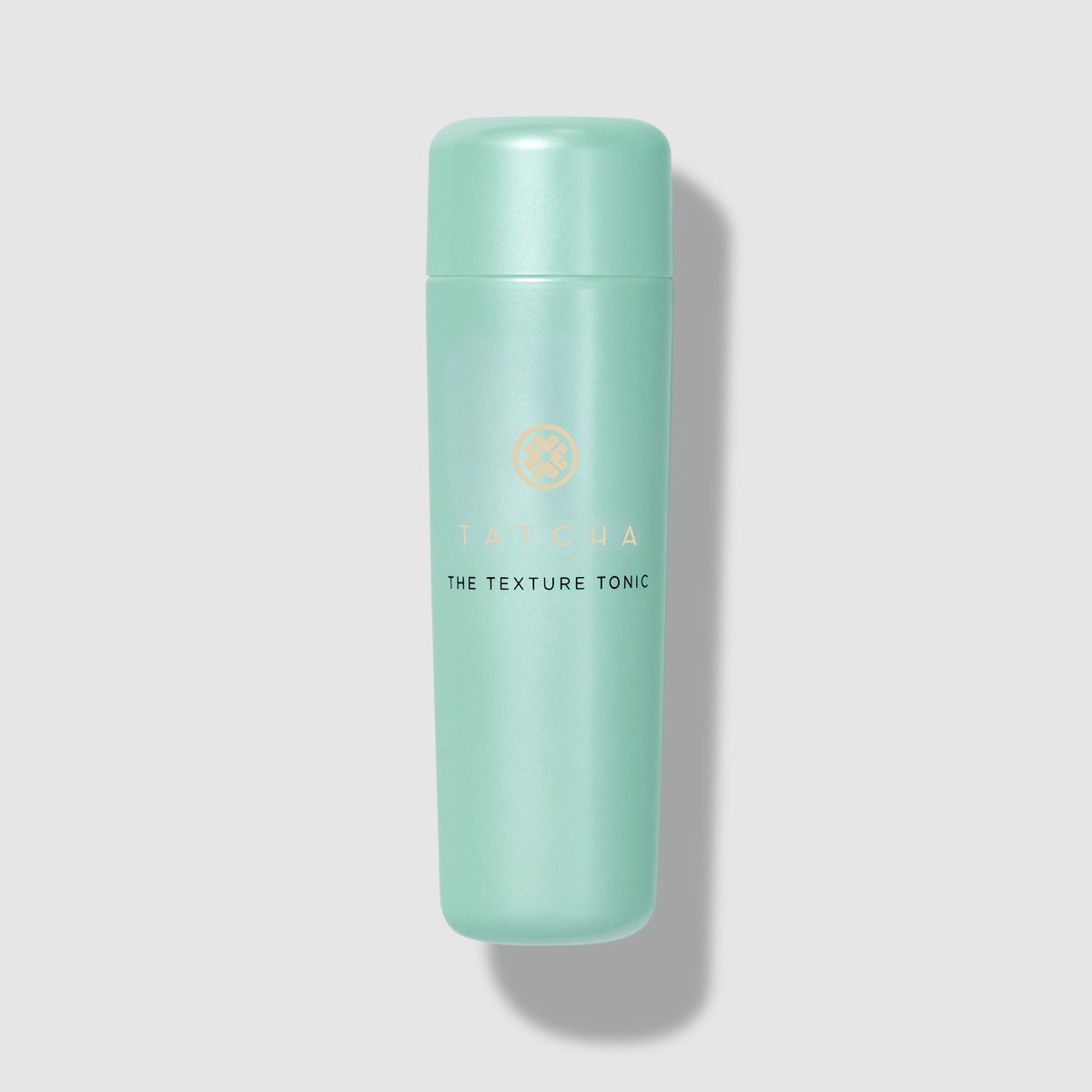
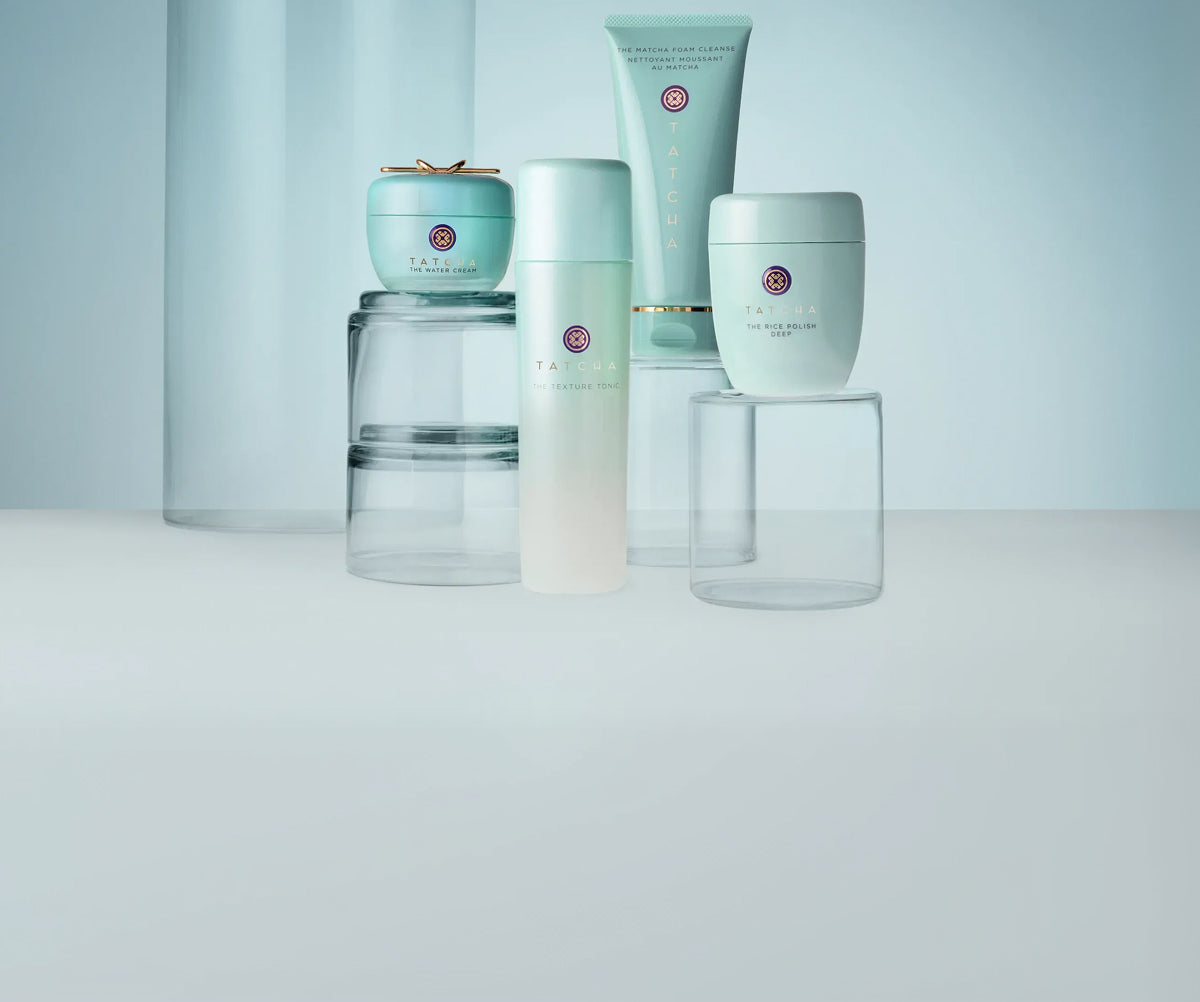
We might be a tad biased, but we’re really proud of our liquid exfoliant, The Texture Tonic. The AHA-powered formula was designed for all skin types and can be used daily. It’s specifically formulated to reduce excess oil and sebum, while also improving skin’s moisture levels. The formula has niacinamide and Japanese mugwort to reduce the look of discoloration, while also calming visible redness and irritation.
Another major aspect of The Texture Tonic is the mind-skin connection. The liquid exfoliant is scented with a functional fragrance blend of sweet fennel and rosemary – two botanicals known to increase focus and mental clarity.
Rather than punishing the skin with harsh ingredients, The Texture Tonic invites you to put the care back into skincare.