



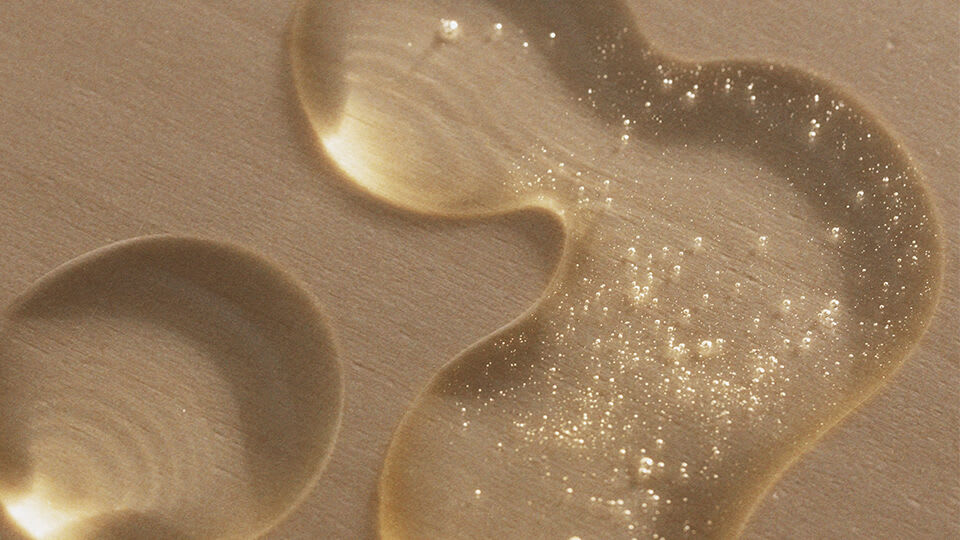
For such a little known ingredient, apricot kernels appear in a variety of skincare products—from exfoliants to moisturizers. Here’s a little more about the benefits of apricot kernel oil, a powerful skin soother and softener.
The Earth lends us many of its treasures—and few of them are sweeter than its fruits. Of course, we’re not talking purely about their taste, though the term sometimes applies; fruits can be sour, bitter, even savory, and yet they give our lives flavor in other ways.
More than just delicious snacks, fruits are the source of myriad vitamins and minerals, including antioxidants, those superhero molecules that help repair our bodies from the ravages of pollution and inflammation. They keep us nourished in more ways than one, which is why the U.S. Department of Agriculture recommends a daily serving of fruit in the diets of all humans ages one and up.
Some benefits of fruit need not be ingested to be acquired. In fact, various fruit parts, byproducts, and extracts have been used in topical skincare formulations: Ascorbic acid, otherwise known as vitamin C, is a popular skincare compound sometimes sourced from citrus foods, and various other fruit-derived ingredients have shown to affect all kinds of skin benefits. One such example, apricot kernel oil, is gaining in popularity. Could apricot kernel oil be good for your skin? The following guide outlines the basics of the ingredient, what it can do, and where to find it.
What is apricot kernel oil?
Apricots are stone fruits, like plums, peaches, and nectarines. Structurally, they are a series of concentric elements: A seed is surrounded by a shell, that is surrounded by a fleshy “hull” and then a thin layer of skin. At the center of the apricot itself is an apricot kernel, which, unlike its delicious surroundings, is inedible.
We use apricot kernels for other things, instead. One of their most notable uses is in skincare. These kernels can be ground into a fine scrub and used to physically exfoliate skin. Pressed into an emollient plant oil, it’s shown to have skin-smoothing benefits. As a result, the ingredient is commonly found in moisturizers for the face and lips, according to data from the Environmental Working Group. But their cosmetic applications comprise just a sliver of what apricot kernels can do; a recent survey of the ingredient described its “anti-cancer, antioxidant, antimicrobial, antiasthma, inflammatory, atherosclerotic, anti-analgesic, and antihyperlipidemic” medicinal qualities.
What does apricot kernel oil do for skin?
The apricot kernel is a superlative skin-smoother: Ground up, it helps to refine skin texture; turned to oil, it soothes, strengthens, and repairs the skin barrier. Below are just a few of apricot kernel oil’s commonly noted skincare benefits:
Deeply moisturizes. Similar to other non-fragrant plant oils, apricot kernel oil acts as an emollient, softening skin when applied, and helping to seal it against moisture loss. It also has a soothing effect, especially on “chapped” or over-dried skin.
Rich in antioxidants. Antioxidants operate on the skin's cellular level. When skin cells are stressed, they’re susceptible to “oxidizing” reactions that can result in other skin complications. Ingredients with antioxidants, like ascorbic acid or apricot kernel oil, are often added to skincare products to help repair this kind of damage, from the inside out.
Adds glow to skin. Blame the antioxidants, or the high content of hydrating and moisturizing fatty acids, but apricot kernel oil has also been praised for its ability to confer a visible glow to the skin—making it a perfect addition to all sorts of skincare formulas.
Is apricot kernel oil good for my skin type?
All faces have the same needs: to be cleansed, moisturized, and protected from the sun. But your approach to these steps probably depends on which unique skin type you identify with. Somebody with an oily complexion, for example, might opt for a gel-based cleanser to something heavier, while somebody on the drier side would prefer a little heft to their wash, like a cleansing oil or cream.
But either could use apricot kernel oil, which is suitable for all skin types. How apricot kernel oil fits into your routine will depend on which product it appears in, such as a cleanser or serum. (It’s a good idea to ask your local dermatologist or licensed aesthetician for their advice before identifying your skin type and changing up your routine.)
Where to find apricot kernel oil
Given its benefits, it’s easy to see why apricot kernel oil is found in formulas that not only moisturize the skin, but specifically smooth and soothe. Skin that gets chapped, like the lips, as well as delicate areas, like the undereyes, often need the kind of extra skin-TLC that apricot kernel oil can provide.
We’ve added apricot kernel oil to our Luminous Deep Hydration Firming Eye Serum, a treatment for under eye skin. The weightless gel-serum dispenses onto a cooling ceramic applicator that glides onto skin, leaving a veil of moisture that is enhanced with Okinawan red algae to plump, caffeine to depuff, and apricot kernel oil to smooth out. (A brightening dust of 23 karat gold doesn’t hurt, either.) You can almost think of the kernel’s benefits by comparing them to the structure of the apricot itself: Like fruit flesh to tough seed, the oil provides a soft protective barrier. Skin is bundled up, and ready for anything.