Summary
- Bio-active lipids include ceramides, fatty acids, and other lesser-known (but equally important) lipids like sphingolipids.
- These lipids play a vital role in maintaining healthy skin, boosting collagen and elastin, regulating inflammation, and improving hydration.
- As we age, we naturally lose these bio-active lipids in our skin. But other factors, like sun exposure, environmental pollution, and lifestyle choices, can degrade our lipids too, leaving skin dehydrated, irritated, and prone to visible signs of accelerated aging.
- We can boost lipid loss with skincare products rich in bio-active lipids, seen in many formulas from serums to moisturizers.
They are present in our skin, keep our complexions healthy and radiant, and are vital for everyday skin functions — learn all about bio-active lipids, why they are important, and how to incorporate them into your daily skincare routine.
What Are Bio-Active Lipids?
Remember the phrase bio-active lipids” because it’s likely to become much more commonplace and celebrated in the coming years. Bio-active is an umbrella term for these lipids, which include ceramides, fatty acids, and other, more under-the-radar options, like sphingolipids. These lipids play a vital role in maintaining healthy skin, boosting collagen and elastin, regulating inflammation, and improving hydration.
Why are these lipids so important? Our skin naturally produces these lipids, playing the crucial role of maintaining our skin’s health and function. Of course, we lose these bio-active lipids as we age, both naturally and via other factors (like sun exposure, environmental pollution, and lifestyle choices). This loss of lipids leads to the degradation of collagen and elastin, which, in turn, affects the structure and elasticity of the skin and accelerates visible signs of aging (along with a handful of other issues, like dehydration and a weakened barrier). This is also why skincare formulas that include bio-active lipids are so important; they help to replenish skin with a resource it knows well, recognizes and accepts easily, and already readily produces.
What Do Bio-Active Lipids Do for the Skin?
One cannot have healthy-looking skin if the bio-active lipids in the skin are depleted — that’s how vital these elements are for the skin. Here’s everything bio-active lipids do for the skin, in no particular order.
Nurture a Healthy Skin Barrier and Microbiome
The epidermis is upheld by these lipids, which form a complex matrix to keep the good in and the bad out. The barrier regulates hydration to keep skin moisturized while also preventing harmful bacteria and irritants from entering the skin. Much like a healthy skin barrier, these lipids also help regulate the skin’s microbiome. They control the types of bacteria that live on the skin, allowing good bacteria to thrive and bad bacteria to die off.
Control Inflammation
We often stress when our skin is in an inflammatory and immune response flare-up, but we can thank our lipids specifically for these issues. Bio-active lipids help regulate inflammation and the skin’s immune system, addressing everything from wounds to skin conditions (like acne and eczema). Indeed, lipids influence acne, which occurs with drastic changes in lipid composition. It’s also worth noting that sebum comes from lipids and, in part, regulates the skin’s microbiome, a vital part of healthy skin and a clear complexion.
Maintain Healthy Aging
Changes in lipid composition are linked with acne and other skin conditions. But these changes can also bring about an acceleration of visible signs of aging. These diverse and complex lipids love homeostasis and healthy skin, but when out of balance, they can lead to skin diseases, conditions, and accelerated signs of skin aging, like fine lines, wrinkles, hyperpigmentation, dehydration, and more.
Bio-Active Lipid Ingredients in Skincare
Now that your interest has been piqued in these buzzy bio-active lipids, let’s learn how they show up in our skincare ingredient lists. Here are a handful of the most common bio-active lipids that you’d find in skincare and what they do.
Ceramides
Ceramides are fats found in high concentrations in the uppermost layers of our skin. It’s estimated that up to 50 percent of our skin is composed of ceramides, and they perform the vital tasks of creating a protective barrier on the skin, preventing water loss, and restricting the entry of external stressors. Basically, ceramides help the skin function properly, working to protect and restore the skin barrier, which keeps skin looking and feeling hydrated and radiant.
Fatty Acids
Fatty acids, like essential fatty acids (EFAs), saturated fatty acids, and other forms of fatty acids, have an oddly phrased name, but they work wonders on the skin. Some of the most well-known forms of fatty acids include omegas (including omega-3 and -6), sapienic acid (a component of sebum), and lauric acid. They strengthen the barrier, improve skin hydration, give skin a more plump appearance, and reduce inflammation and redness.
Plant-Based Oils
Squalane, jojoba oil, and rosehip oil are just a few notable plant-based oils that are rich in bio-active lipids. They help to improve the skin barrier function, lock in moisture, calm irritation, plump skin, and balance the skin — qualities that almost all bio-active lipids accomplish.
The Best Bio-Active Lipid Skincare
Bio-active lipids can be found in many types of skincare products. They are often paired together to help reduce free radical buildup, which can contribute to inflammaging, boost collagen and elastin production, and reduce the appearance of fine lines and wrinkles. Here are just a few of our favorite forms of bio-active lipids, starting with our newest formulation.
A Lipid-Fortified Serum
While bio-active lipids are celebrated in many of Tatcha’s formulas, they play a key role in our new serum.
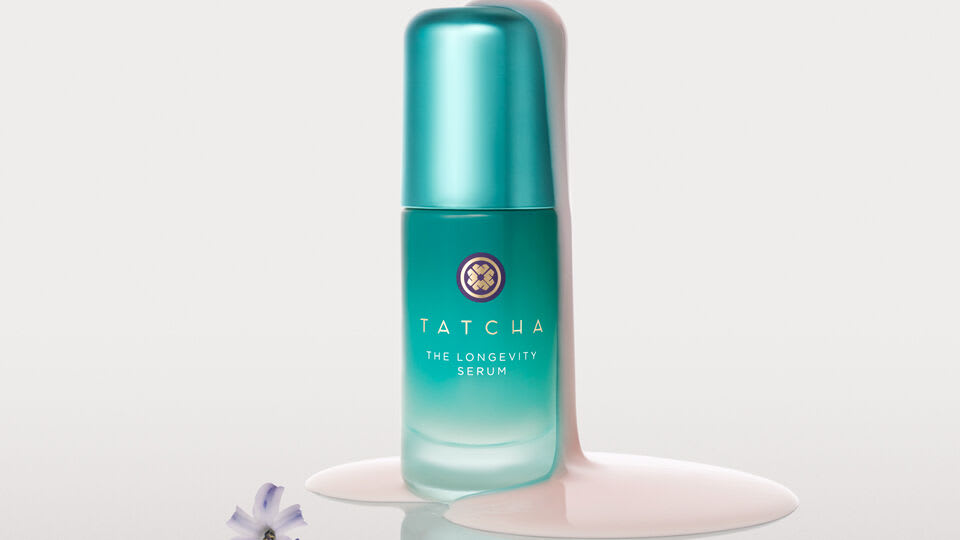
The Longevity Serum boosts skin resilience to visibly delay signs of aging, boosts surface cell turnover for smoother skin, visibly firms, and strengthens the skin. The formula works well with other serums, can be used morning and night in your existing skincare routine, and is ideal for anyone looking to boost their skin’s longevity.
To accomplish these impressive benefits, a super-concentrated extract of sashi-kusa, a herbaceous flowering plant, which is naturally rich in flavonoids, lipids, and phyto molecules, is steeped in nutrient-dense botanical butters and oils (murumuru butter, cottonseed oil, and linseed oil) that support natural collagen and elastin, visibly firming and reducing the appearance of fine lines.
Additionally, the Tatcha Institute uncovered a new benefit of glycerin through tireless research. An often uncelebrated ingredient prevalent in some of your favorite products, glycerin has been shown to work with the skin’s microbiome to activate a gradual release of key skin-renewing and -protecting nutrients – AHAs (like lactic acid) and fatty acids – that shield the skin from environmental aging factors.
A Redness-Soothing Barrier Cream
We can’t mention reducing redness and calming the skin without highlighting the bestselling and one-of-a-kind Indigo Overnight Repair treatment.
It’s earned the prestigious National Eczema Association seal of acceptance for its ability to soothe visibly irritated, eczema-prone skin, balance the microbiome, and cultivate good bacteria so skin performs at its optimal, symbiotic level. Featuring Japanese indigo, red sage root, ceramides (hello bio-active lipids!), hyaluronic acid, and mondo grass root for an immediate improvement in softness, smoothness, and radiance.
A Moisture-Locking Lip Mask
One area of the skin that especially needs a dose of moisture? The lips, which are where this iconic mask steps in to save the day.
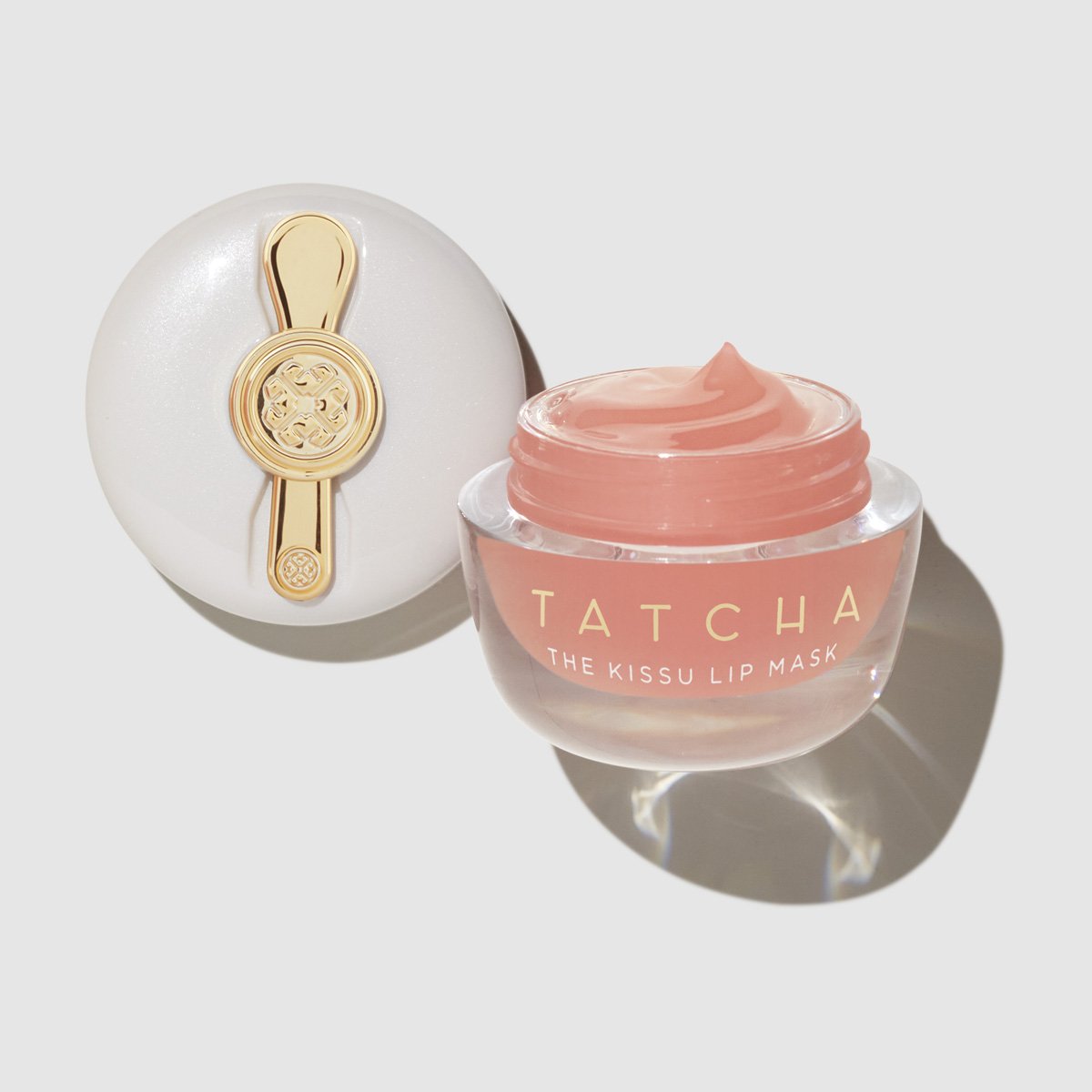
The Kissu Jelly Lip Mask is more than just a balm, and can be used overnight to improve moisturization, plumpness, and smoothness, or it can be used any time of the day, too. With continuous use, the mask improves the lips' ability to retain moisture. It includes a few bio-active lipids, including squalane and camellia oil, too.