The skin barrier is a hot button topic right now—and rightfully so: a healthy skin barrier is vital for healthy skin. In other words, you cannot have one without the other. The skin barrier is your outer layer of skin, composed of dead cells, lipids, proteins, and fats. It’s crucial because it keeps harmful things (like chemicals, allergies, and bacteria) away from the delicate skin beneath the surface, while also maintaining the skin’s hydration levels. While it can be a complex topic, we’re making things simple by succinctly diving into everything you need to know about repairing your skin barrier and our top skin barrier repair products to start slathering on ASAP. Keep reading for the skinny on your skin barrier.
What Skin Barrier Repair Products Do
There are a lot of specific genres in skincare. While many blur into one another, skin barrier repair products are not just hydrating products with the words “skin barrier products” stamped on the packaging. Rather, this category of products to repair the skin barrier are carefully and strategically crafted to heal, strengthen, and hydrate in one fell swoop. While hydrating products can just simply provide needed moisturization, skin barrier products take things a step further by also including ingredients proven to repair.
Skin Barrier Repair Ingredients
Products formulated to repair the skin barrier include a combination of ceramides, squalane, niacinamide, glycerin, hyaluronic acid, and peptides. Peptides and ceramides are already present in our skin (but we lose both as we naturally age) and are also wonderfully beneficial when applied topically—both have been shown to strengthen the skin barrier and inhibit further damage and moisture loss. Hyaluronic acid, squalane, and glycerin are complex hydrators, known for deeply penetrating the skin with hydration for more long-lasting moisture, a key in products for skin barrier repair.
Signs Of A Damaged Skin Barrier
A damaged skin barrier can show up in a variety of ways, including acne, burning or stinging, itchiness, inflammation, hyperpigmentation, irritation, dryness or dehydrated skin, scaly/flaky/rough skin, or general tenderness and sensitivity. If you’re experiencing some sort of issue with your skin, your skin barrier has likely sustained some damage, says the Cleveland Clinic.
Timeframe for Skin Barrier Repair
Follow the directions of a skin barrier product and you’re likely to see results as soon as one week. As with anything, consistency is key. Signs that your skin barrier is improving can be subtle or immediately noticeable and include less redness and irritation, an improved texture, and resolved acne. For more extreme cases of damaged skin barrier, products may take upwards of months to see improvement. But remember that good things take time, and even if you’re only seeing slight improvements at first, the best skin barrier repair products are not only repairing, but they are also working on a molecular level to hydrate, nourish, and soothe skin daily.
What Damages the Skin Barrier?
Everyday factors, both external and internal, can drastically affect the skin’s barrier function. Skin conditions (like eczema and psoriasis or rosacea), environmental factors (including pollution, wind, extreme temperatures, and UV radiation), everyday stressors (smoking, lack of sleep, stress, and poor diet), and aggressive skincare products (including over-exfoliation and over use of products) can all contribute to barrier damage. While many of these factors are out of our control, reducing stressors and lessening the frequency of aggressive skincare products are easy and manageable ways to prevent barrier irritation.
Skin Barrier Repair: Why It’s Essential
Every one of us has a skin barrier, and it’s likely some of us will at some point in our lives accidentally damage it in some way. It’s good to know the common causes of the damage, signs to look out for, and also key ingredients to add to your skincare routine if irritation does occur. After all, a glowing and radiant face is only possible with a healthy skin barrier—and who doesn’t want that?
The Best Skin Barrier Repair Products
While a damaged barrier can be stressful – and even incredibly painful – there are science-backed skin barrier products that can help nourish and even repair damaged skin. Here are the best skin barrier repair products, designed to help support skin every step of the way.
A Calming Cleanser
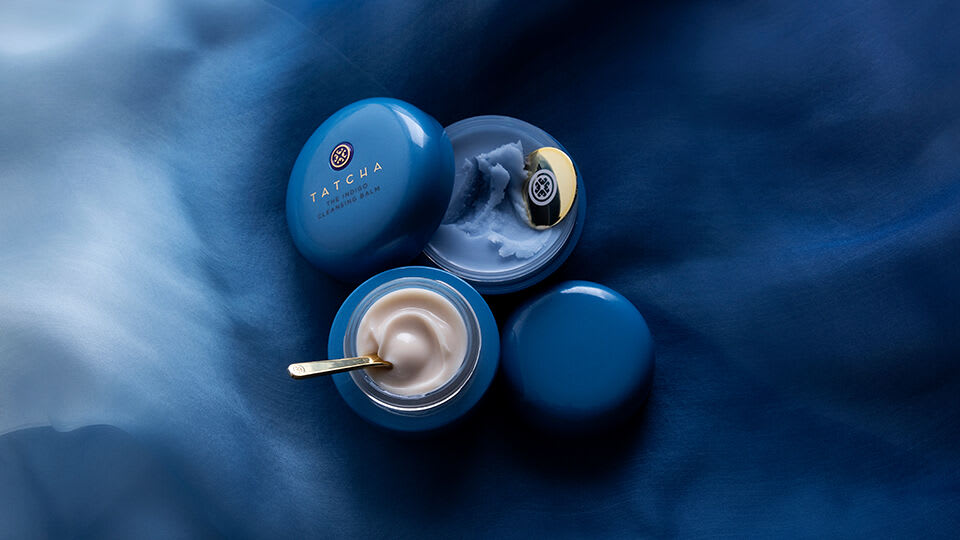
A calming, nurturing cleanser (that still effectively cleanses) is necessary. We know harsh formulas can strip the barrier’s natural oils, leading to more damage, so a gentle cleanser is a crucial first step in your ‘skin barrier repair’ regime. This is why Tatcha is so excited to introduce you to one of our newest innovations in skin barrier repair products: The Indigo Cleansing Balm.
This National Eczema Association approved skin-strengthening cleansing balm instantly calms visible irritation, while also supporting and transforming the barrier. The dermatologist-tested and fragrance-free formula was crafted with weakened, sensitized skin in mind, knowing traditional cleansing can be painful and damaging. This is why the balm is designed to reduce friction while cleansing, helping to soothe while cleansing. It still effectively cleanses though, efficiently removing even waterproof makeup. The formula includes Japanese indigo to calm visibly irritated skin, lipids, and ceramides to replenish the barrier, Japanese lotus root to soothe, and mondo grass root to balance the microbiome. The results are stunning, too: In clinical studies, 100 percent of participants demonstrated an improvement in barrier function after just one week of use.*
But unlike harsh cleansers, the Indigo Cleansing Balm also soothes visible irritation and replenishes moisture—strengthening the skin barrier so it can prevent future damage for smooth, plump, and radiant-looking skin.
*Based on bio-instrumentation (TEWL) clinical study on 40 panelists.
A Uniquely Calming Exfoliant
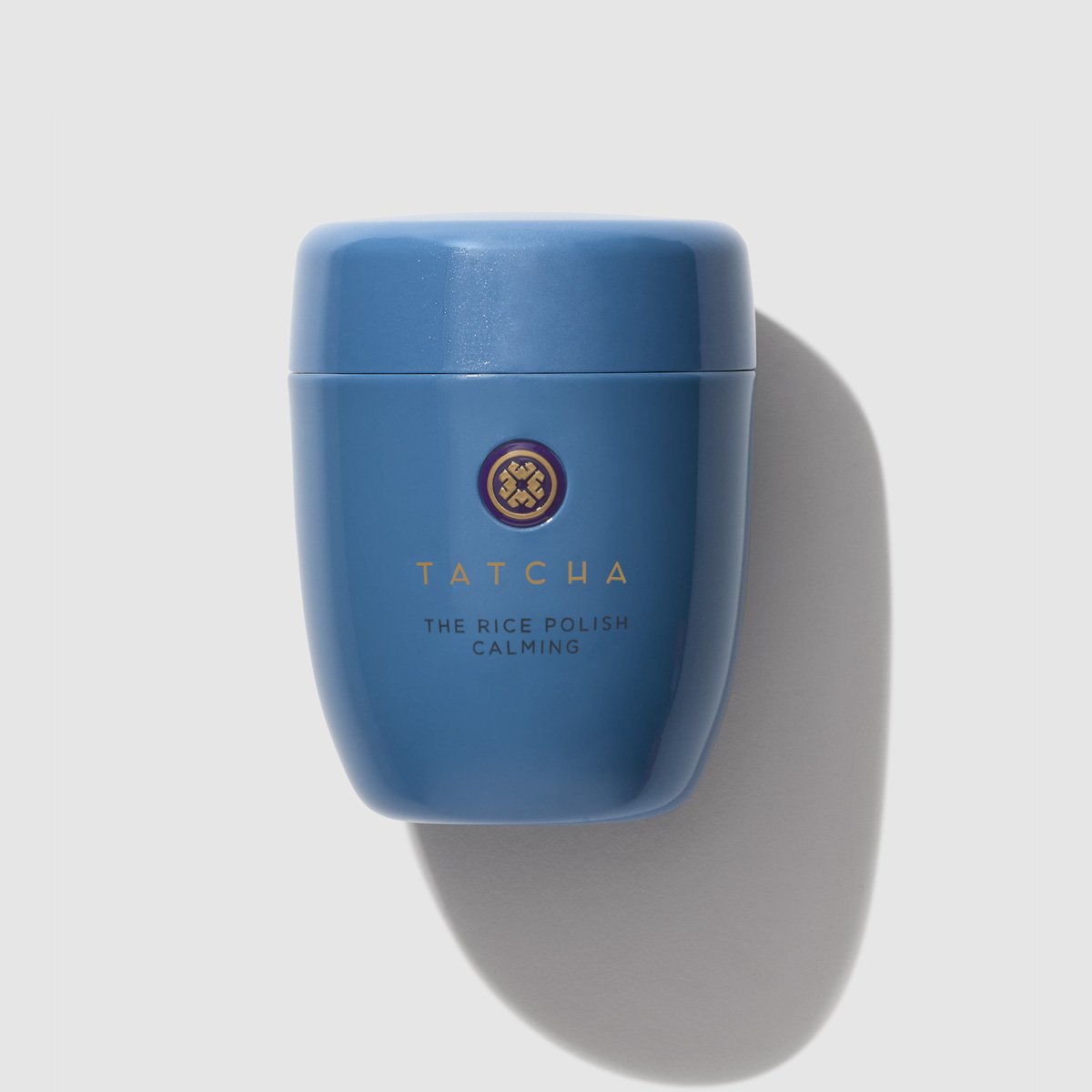
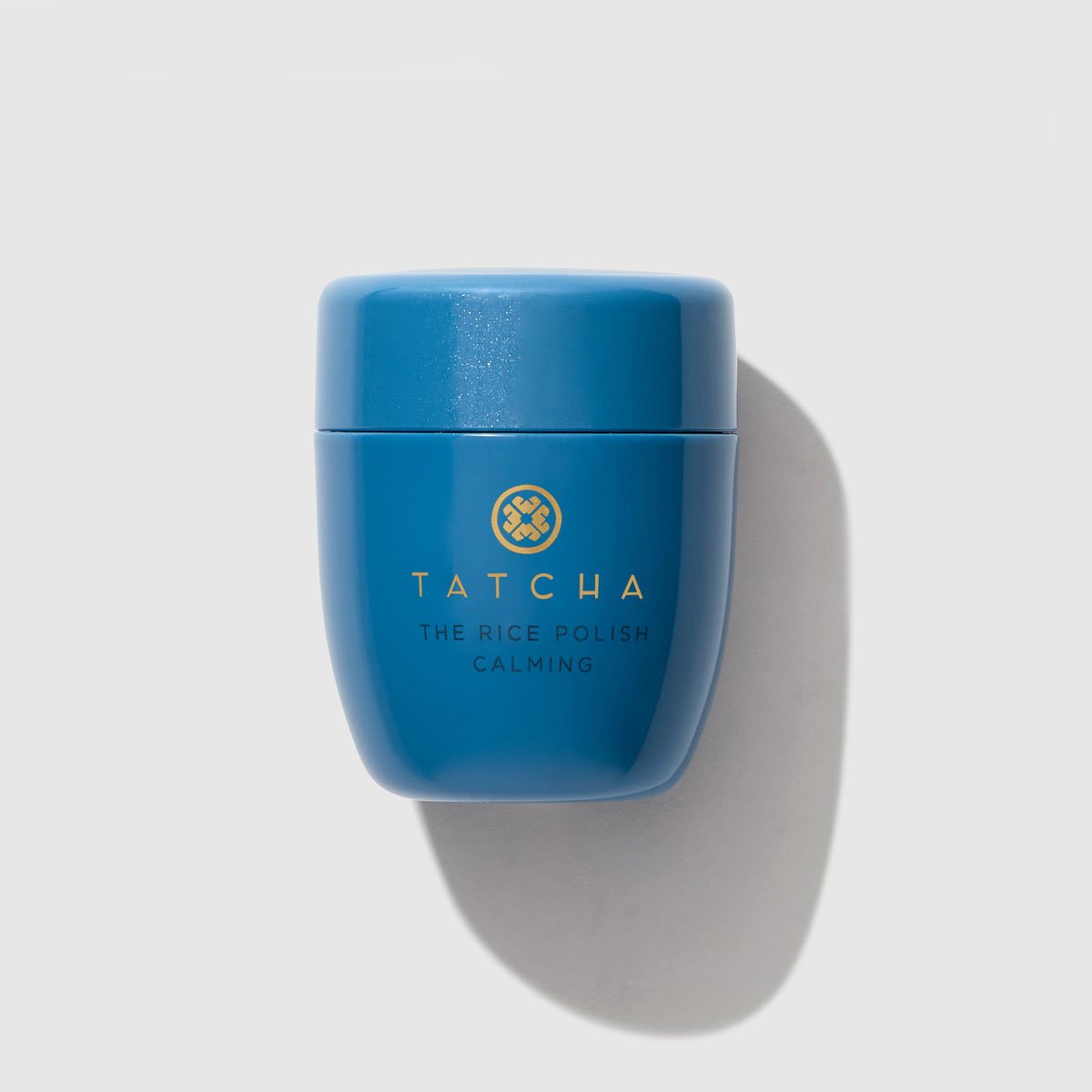
One of the most common ways to damage your skin barrier is through the overuse of aggressive exfoliants, which is why we’ve learned to embrace a gentle skincare routine. So it might seem strange for us to recommend an exfoliant as one of the best skin barrier repair products for sensitive skin—but The Rice Polish: Calming is no ordinary exfoliant. The calming iteration of Tatcha’s popular face polish includes Japanese indigo, clinically proven to calm and soothe while gently buffing away dead skin cells.
Even compromised skin still needs exfoliation, the trick is learning how to exfoliate your face properly. Your exfoliant should be just effective enough to lightly buff away dryness, while also soothing visible irritation and redness. This delicate balance is impressively achieved with this extraordinary polish, designed specifically for ultra sensitive and barrier damaged skin.
A Skin Barrier Repair Cream
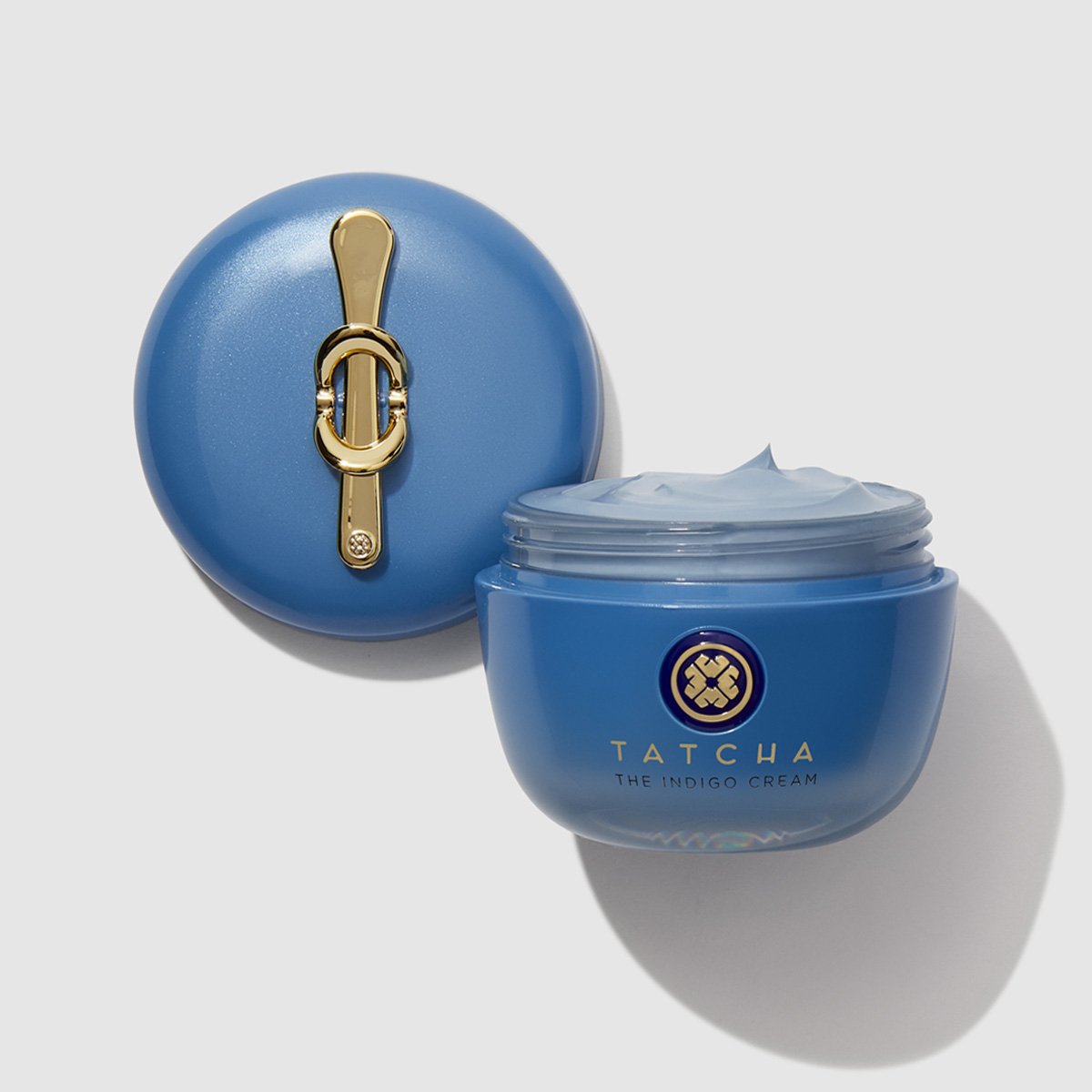
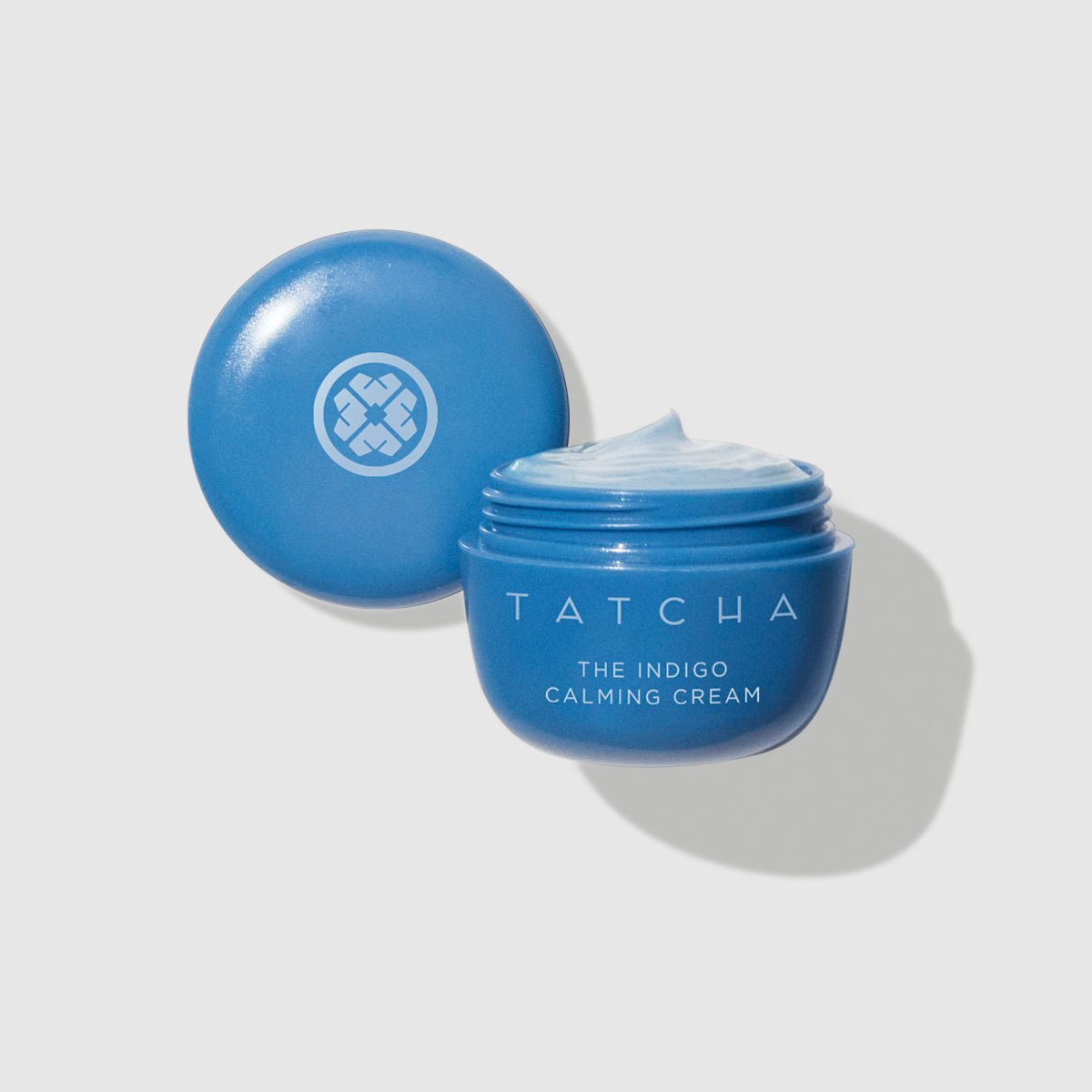
Not all moisturizers are created equally when it comes to barrier repair. A moisturizer rich in ceramides, lipids, and fatty acids (all of which are already present in the barrier) is superior. This is because it’s been scientifically shown that hydration is significantly increased when a moisturizer’s formulation mimics the skin’s natural barrier, helping to replace nutrients lost throughout the day. It’s also helpful if the moisturizer includes humectants and emollients, which address hydration levels.
Years of research helped to inform and create Tatcha’s new and improved Indigo Calming Cream. The rich, fragrance-free cream provides soothing relief from redness and itchiness with long-lasting hydration. The luxe texture not only forms a protective barrier on the skin, but it also delivers therapeutic benefits thanks to calming Japanese indigo, therapeutic colloidal oatmeal, and our hydrating Hadasei-3.
An Overnight Treatment
To boost your skin’s repair potential, try a treatment or mask with supercharged ingredients. Consider Tatcha’s award-winning Indigo Overnight Repair, a fragrance-free soothing serum-in-moisturizer treatment. It’s earned the prestigious National Eczema Association seal of acceptance for its ability to soothe visibly irritated, eczema-prone skin. What truly sets the Overnight Repair apart from other treatments is the formula’s ability to balance the microbiome, helping to cultivate good bacteria so skin performs at its optimal, symbiotic level. The cushiony treatment is ideal for evening use, where the luxurious application can be used as an act of mindfulness and sensorial skincare moment, helping to bring comfort and peace to both the mind and face while unwinding at the end of the day.
The formula includes Japanese indigo, red sage root, ceramides, hyaluronic acid, and mondo grass root for an immediate improvement in moisture, smoothness, and radiance. In clinical studies, 100 percent of users saw an improvement in their skin barrier strength within four weeks.**
**Based on a 4-week clinical study on 25 participants.
A Soothing Sunscreen
We know sun exposure is dangerous, but it’s also harmful to the barrier. Ensure that you’re always prioritizing UV protection with a broad-spectrum sunscreen every day. But if you have sensitive skin, sunscreen options can often be difficult to find, as many ingredients can trigger irritation. For barrier repair, avoid formulas that include added fragrances or dyes, both of which can be potentially irritating.
Try The Silk Sunscreen, a broad-spectrum formula that protects against UVA and UVB rays with 10 percent zinc oxide for a mineral, reef-safe filter. Not only does the Silk Sunscreen feel impossibly light, but the invisible protection also impressively minimizes pollutant and allergen disruption—ideal for sensitive skin and barrier repair. The formula also includes niacinamide to reduce redness and visibly even skin tone and minimize pores. And hyaluronic acid helps to immediately boost skin’s natural moisture levels, softness, and skin tone.
Experiencing a damaged skin barrier is incredibly common, but these products can help support the skin barrier effectively and efficiently. But keep in mind that this reparative process can take weeks, or even months, to treat damaged skin, so stick with it. Healthy-looking skin takes time, so be patient with yourself and your skin, too.