




Skip to content

Bag

Your bag is empty

Continue shopping

Enjoy up to 15% off 4 full sizes of your choice with our set curator

Get Started

Select Gifts

Why You Should Wear Sunscreen Every Day
Caring for SkinMar 4, 2026

Why You Should Wear Sunscreen Every Day

Summary

  • Daily sunscreen usage should be viewed as an everyday must, like brushing and flossing your teeth or drinking water. 
  • Daily sunscreen is more than just protecting from sunburns; it can help shield you long-term from damage from dangerous UV rays, which can lead to skin cancer.
  • The trick to applying sunscreen every day is finding a formula you actually enjoy using, whether that is chemical or mineral (or a combo of both), sheer or matte. 

It’s less of a recommendation, and more of a strong suggestion coming from every dermatologist in the world: You should wear sunscreen every day. Here is why.

No matter who you are, it’s a very important part of your skincare routine. So important that in many countries, the category is regulated by government agencies. It can cost as little as $4 and as much as $400. It’s the topic of the article you’re reading: Sunscreen.

The question is not whether you should wear sunscreen, because you already know that you should. The sun supports our health in many critical ways, but prolonged exposure can cause UV damage to our body’s largest organ, the skin. People have used forms of sun protection for centuries, and the topical product we use today was invented almost a century ago. Only recently have we become aware of sunscreen’s necessity — not just as a beauty product, but as a critical part of one’s overall health. So it’s not enough to simply wear sunscreen; you have to wear it daily.

Top 5 Reasons for Daily Sunscreen

Why should you wear sunscreen every day? There are many reasons, but the big five are:

  1. Ultraviolet rays are omnipresent, even on dark, rainy, cloudy days. A rainy day requires much less SPF than a day at the beach, but most rays penetrate clouds and can even reach beneath water.

  2. Sun damage affects everyone. All skin types, across racial groups, experience damage from sun exposure.

  3. You need less sun than you think you do. A little vitamin D is good for you; you still need to wear sunscreen.

  4. It’s your best defense against skin cancer. According to countless studies, dermatologists, and researchers, sunscreen is vital to help reduce the risk of skin cancer.

  5. SPF actually slows visible signs of aging. It’s one of the few skincare practices that is proven, with significant evidence, to help prevent visible signs of aging caused by sun exposure.

Sunscreen should be a regular habit, like applying deodorant or flossing one’s teeth. Hopefully, these reasons will inspire you to find a sunscreen you love and stick to it.

Reason 1: Ultraviolet Rays are Omnipresent

It’s a bright, clear summer day, and you’re going to the beach with your friends. You pack your sunscreen, remembering to apply it every few hours, and you have a blast. The next day is gray, and there’s no sign of the sun, so you decide to skip the sunscreen — no sun, no harm, right?

Wrong. Ultraviolet rays are always there — even when you can’t see the sun.

The sun is, of course, still around on a cloudy day, but its presence (and its direct light) is hidden behind a blanket of clouds. Meanwhile, its ultraviolet rays pass through, which is why you can still get a sunburn on a cloudy day. Cloud cover can decrease a particular area’s UV index, but it can also increase it: According to a study in the journal Reviews of Geophysics, the presence of clouds can cause rays to bounce between ground and sky and scatter. For this reason, other forms of sun protection, like hats, can actually be less effective during overcast weather than they are in direct sunlight. Topical sunscreen, by contrast, covers all bases by shielding you on the surface of your skin.

Reason 2: Sun Damage Affects Everyone

There’s a common myth that those who have pale skin are highly sensitive to skin damage, while those with dark skin are immune to it. It’s a compelling theory, but completely false. All skin types are susceptible to UV damage, and so all faces require sunscreen — daily.

Some people indeed burn in the sun, while others tan. It’s not a matter of luck, but one of molecular dermatology: Some people’s skin produces more melanin than others when exposed to the sun. Melanin production is determined by genetics, and though ancestry plays a role, it isn’t a matter of race. In 2003, a dermatologist explained to The Guardian why pale British people tended to burn while pale Swedish people tended to tan. The answer: Swedes produce more melanin. Even in Japan, where the climates are various, but most people are of Japanese ancestry, skin tone expresses itself in different ways throughout the archipelago.

One thing that unites everybody throughout the world is that ultraviolet rays harm our skin. Take it from the Journal of the American Academy of Dermatology, which published research in 2022 on sunscreen use by race/ethnicity: “All skin types experience some DNA damage from ultraviolet light radiation, contributing to photoaging and photocarcinogenesis.”

Reason 3: You Need Less Sun Than You Think

It’s true that, in addition to harming our skin, sun exposure helps our health. Ultraviolet rays stimulate the body’s natural production of vitamin D, a nutrient that benefits us in many ways, from our bones to our brains. So how much exposure is good for us — and when does it become bad for us?

The question was posed to UCLA Health, prompting a dermatologist to reference studies on vitamin D absorption in different places in the world. The short answer is: It depends. The long answer has to do with a mix of variables, like climate, season, and how much clothing you wear when you go out. In Valencia, Spain, it may take somebody as few as eight minutes of sun exposure to get all their necessary vitamin D. In Boston, it could take as many as 23, and much longer if you’re bundled up, as you probably would be during wintertime.

If you’re especially worried about it, a short morning walk should be enough to generate a day’s worth of D. (If you’re especially worried about your health at all, talk to your doctor.) But if you’re planning on being outside of the home for longer than 20 minutes, sunscreen is critical to keep you protected during all daylight hours.

Reason 4: Skin Cancer Defense

Skin cancer is the most common form of cancer, with more people diagnosed every year than all other cancers combined. The vast majority of skin cancers are linked to sun exposure.

There are many methods people can use to lower their sun exposure and their odds of developing skin cancer, such as protective clothing like driving gloves or accessories like parasols. But topical sunscreens remain one of the most popular and effective methods of preventing sun damage. In this light, wearing daily sunscreen isn’t just wise — it’s vital.

Reason 5: SPF Slows Visible Signs of Aging

In the not-too-distant past, sun exposure was considered a part of one’s beauty routine — sunning poolside was considered glamorous, and tanning parlors allowed people to preserve their tans year-round. But contemporary research has revealed that the sun is not as good for our skin as we once thought — and in fact, it can be detrimental.

As we age, our skin gradually changes. It loses elasticity and structure, causing wrinkling and sagging. This happens because of the slow breakdown of molecules within the skin, which is caused by a variety of factors. An overwhelming body of research now indicates that sun exposure is one of the biggest factors in accelerating the aging process in skin. UVA rays can penetrate down to the dermis, damaging collagen in the process; UVB rays can go even deeper, causing genetic damage and heightening one’s cancer risk. The Yale School of Medicine recommends that patients who frequently sought the sun in their youth visit their dermatologist to assess their sun damage.

The Best Everyday Sunscreens

Sunscreen isn’t just good for aging skin — it’s good for all skin. And there are tons of sunscreens available on the market. First and foremost, the AAD recommends using one that is broad spectrum and has an SPF of at least 30.

Then, the sunscreen you choose will depend on your personal preferences.

A Weightless Mineral Sunscreen

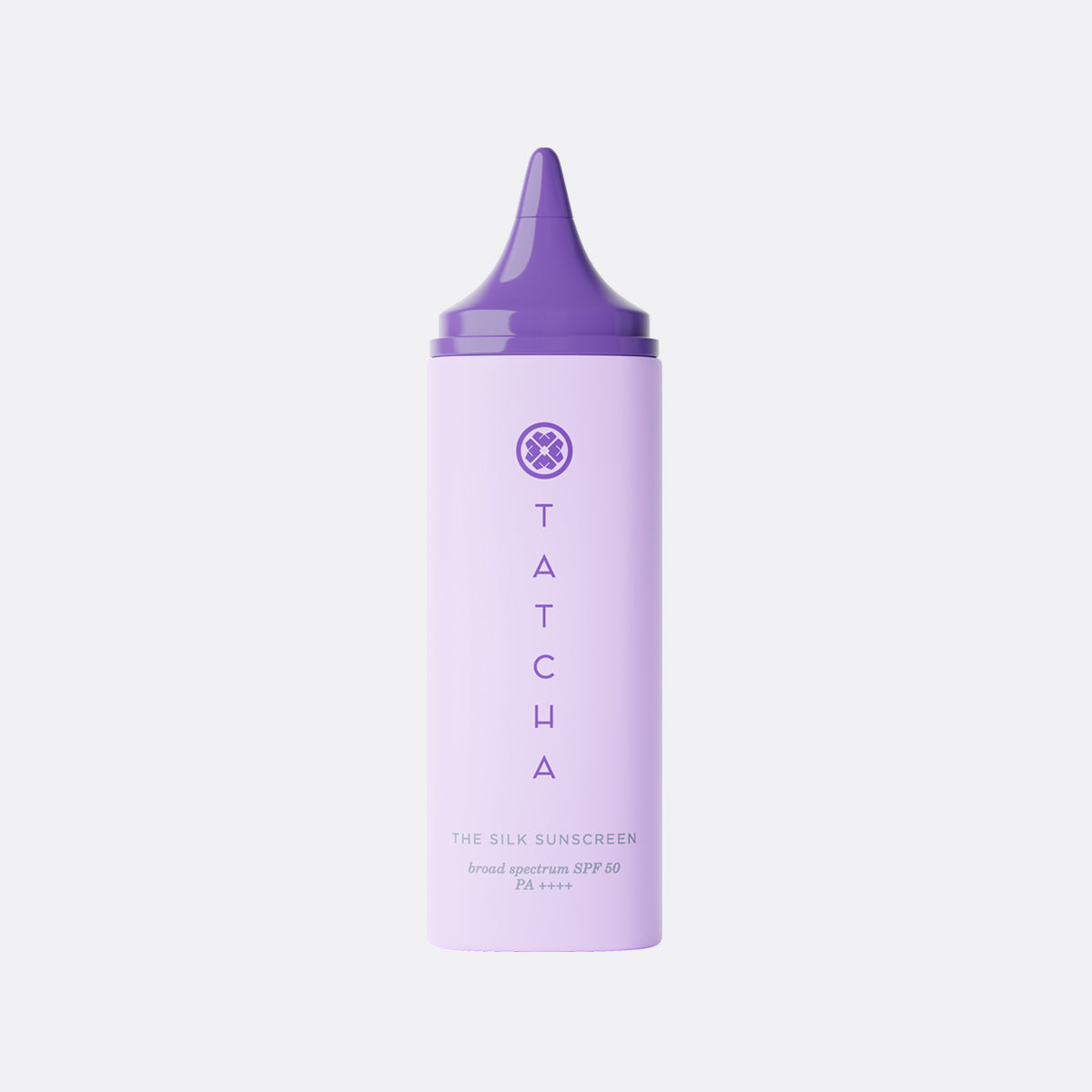
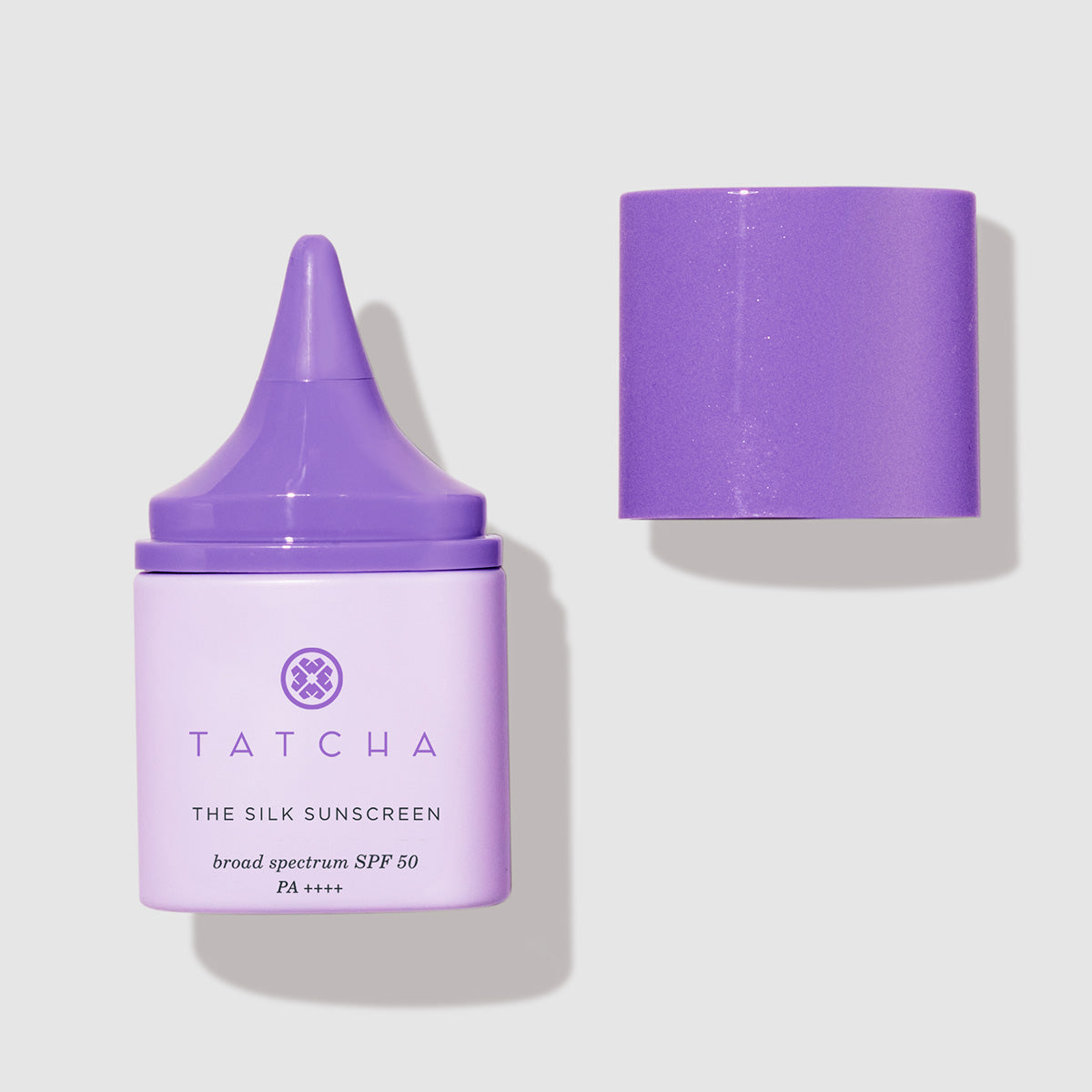
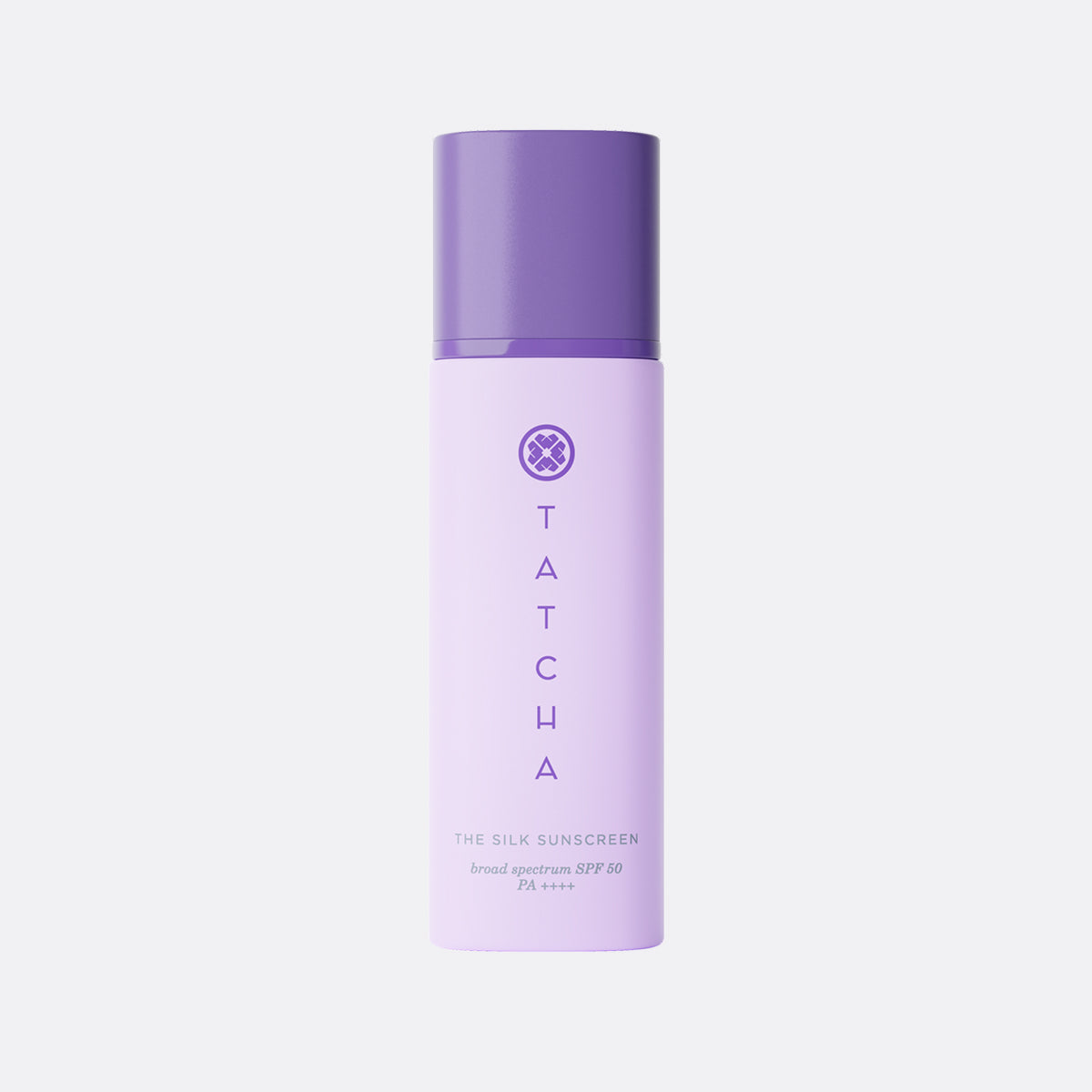
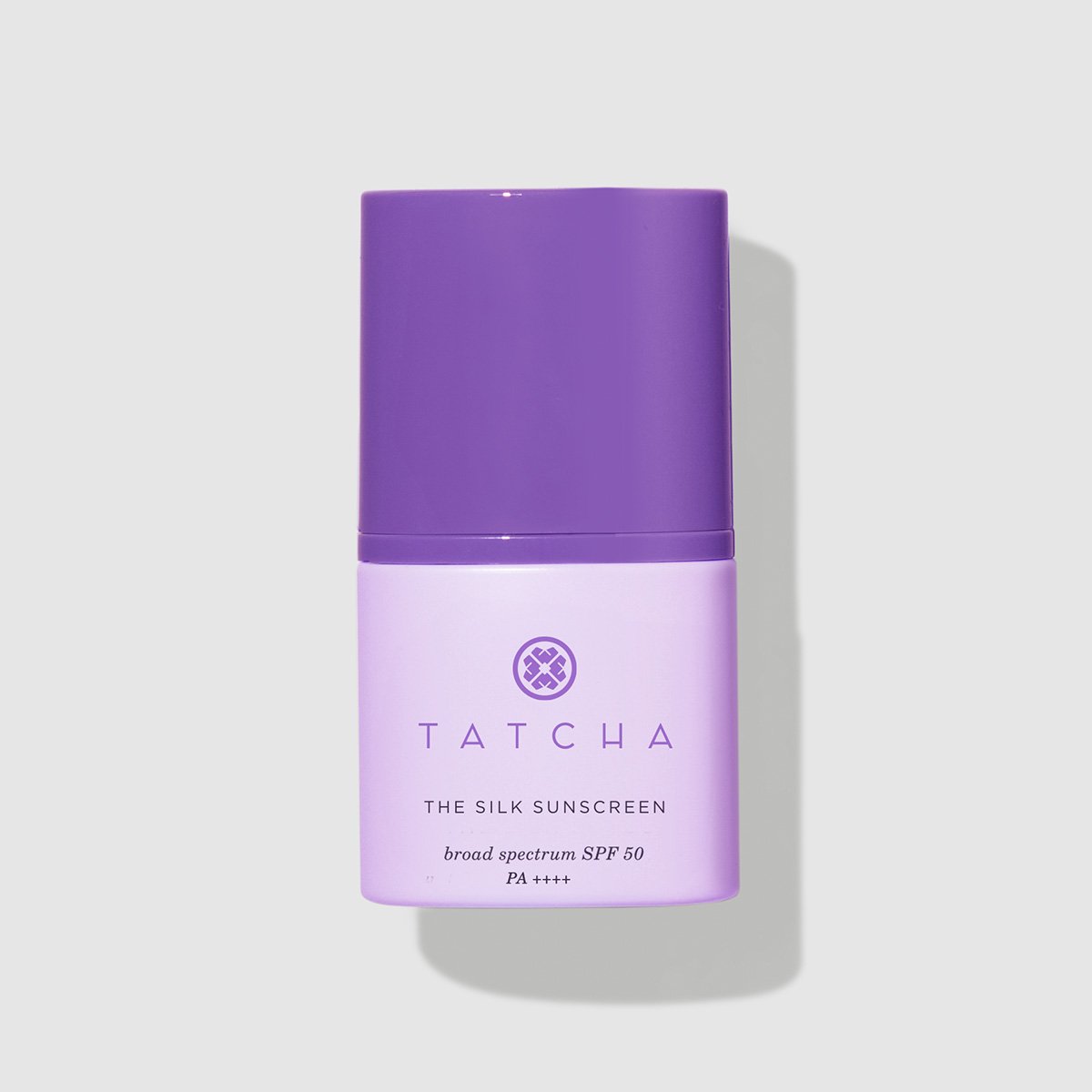
Somebody looking for broad-spectrum sun protection that feels weightless and hydrating might want an SPF 50 like Tatcha’s Silk Sunscreen. The mineral sunscreen protects from visible signs of premature aging while hydrating and visibly evening skin tone over time. Light as air, the Silk Sunscreen blends into the skin seamlessly with a sheer, radiant finish.

A Soft Matte Hybrid Sunscreen

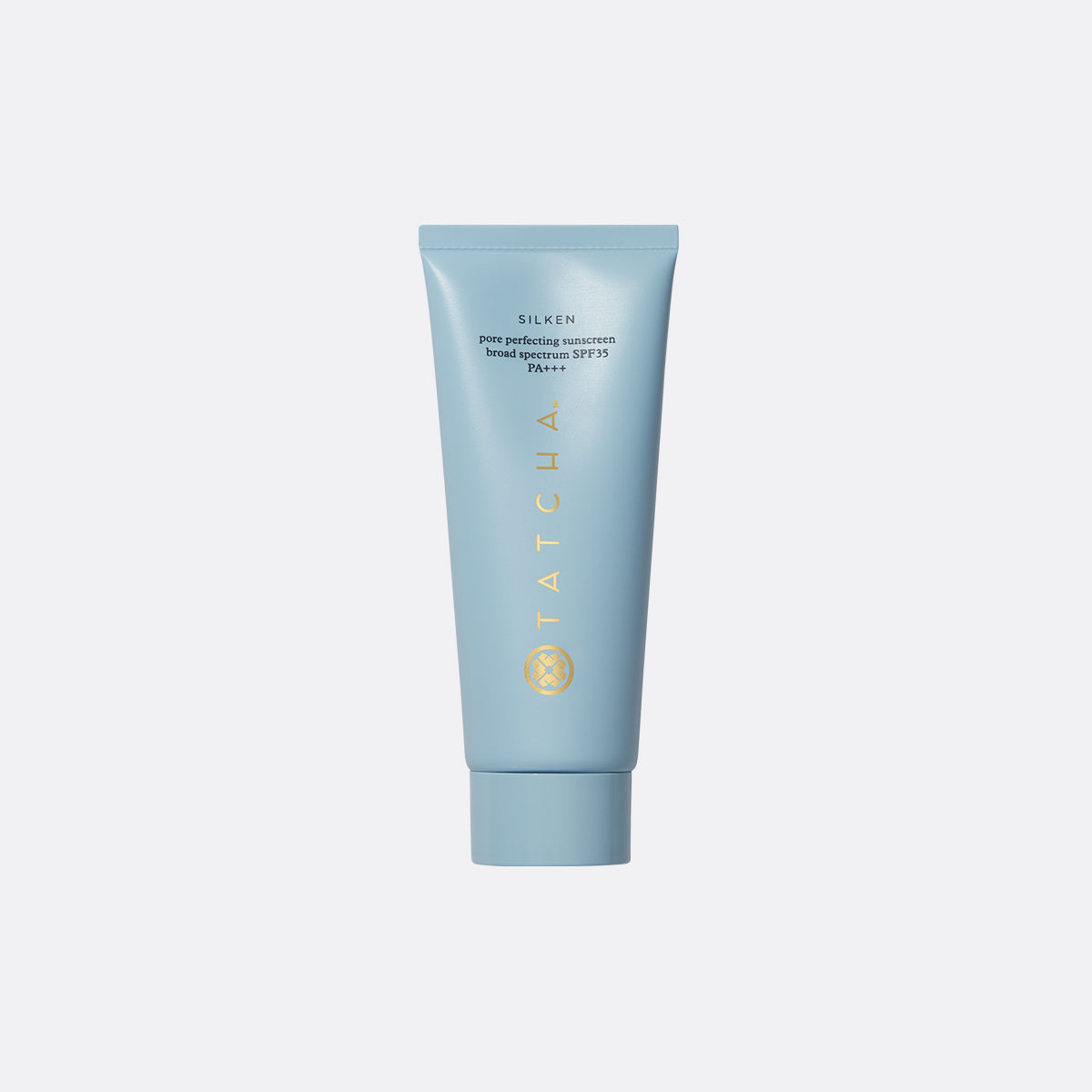
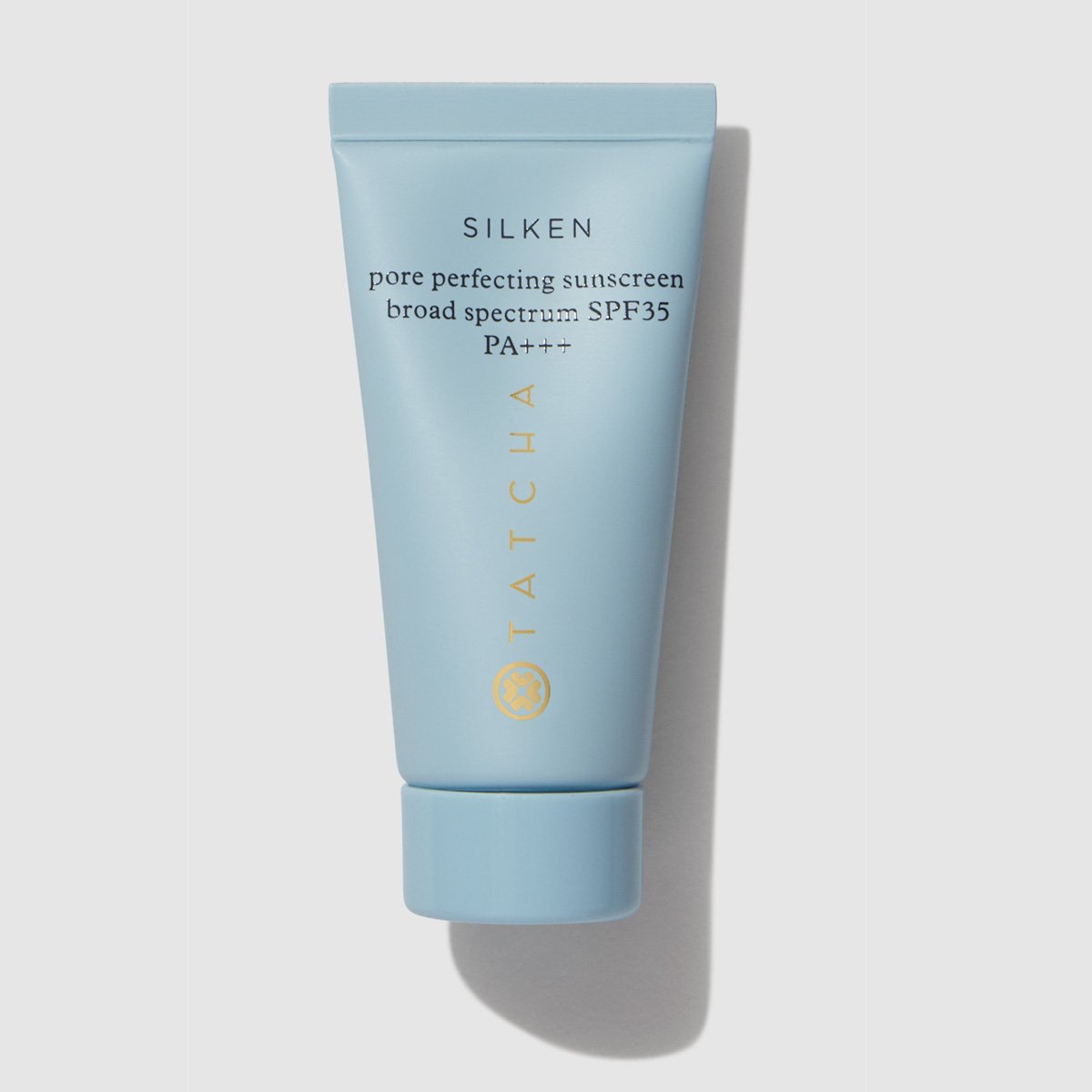
Those who like their sunscreen with a softer matte finish might prefer something like the Silken Sunscreen, which veils the look of pores and smooths skin tone as it protects against both UVA and UVB rays. The pore-blurring hybrid chemical and physical protection also has the added benefit of creating a smooth canvas for makeup application.

A Visible Sun Damage Correcting Sunscreen

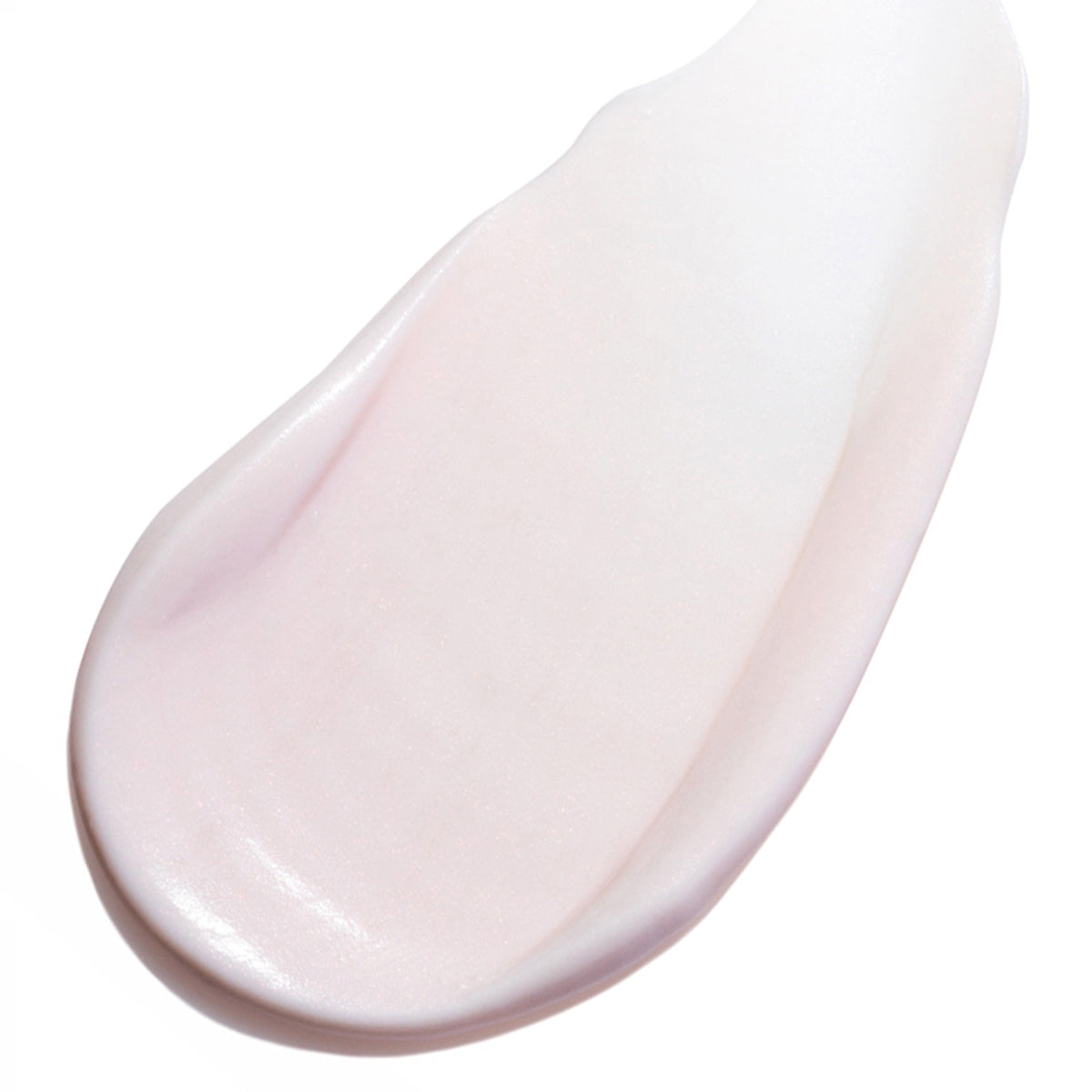
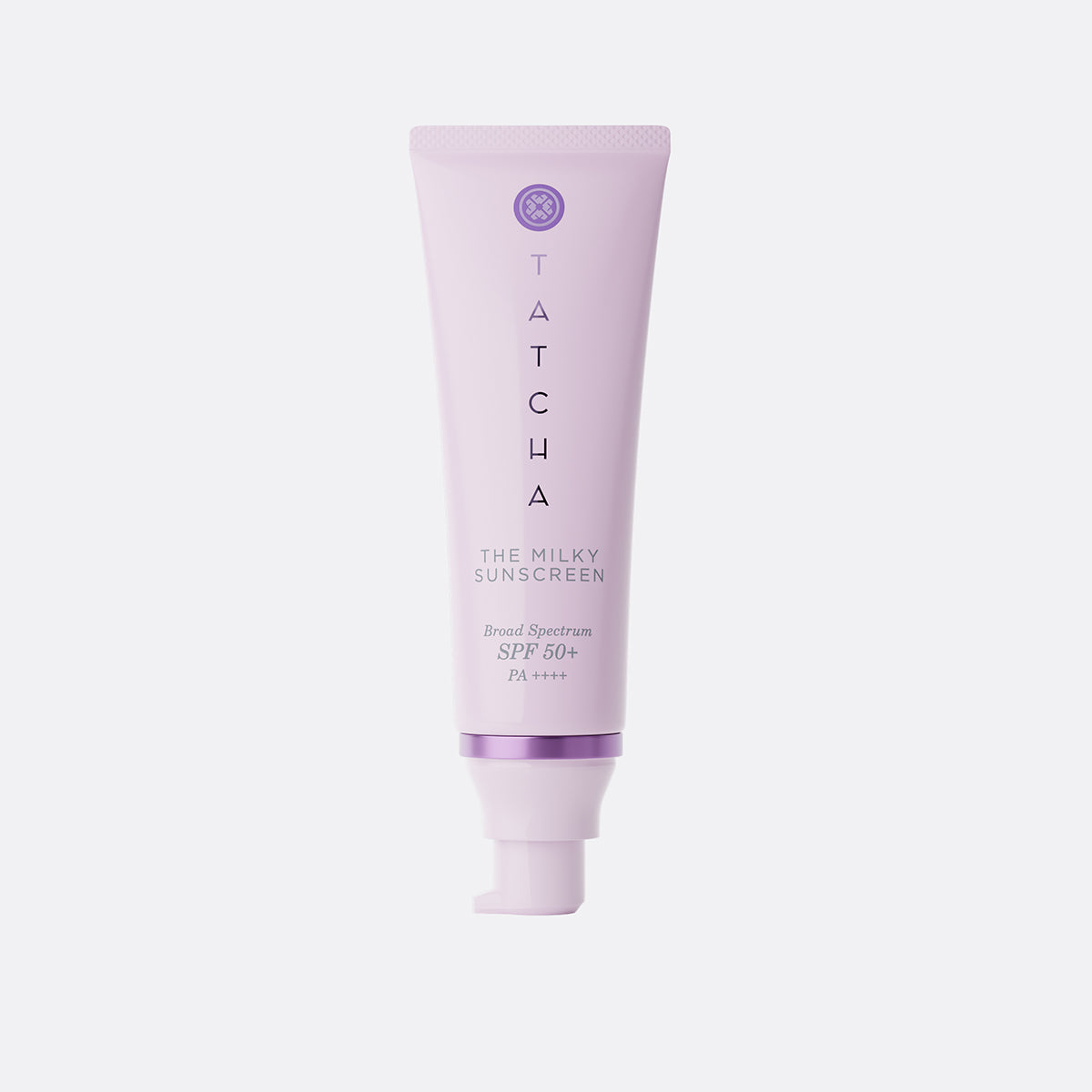
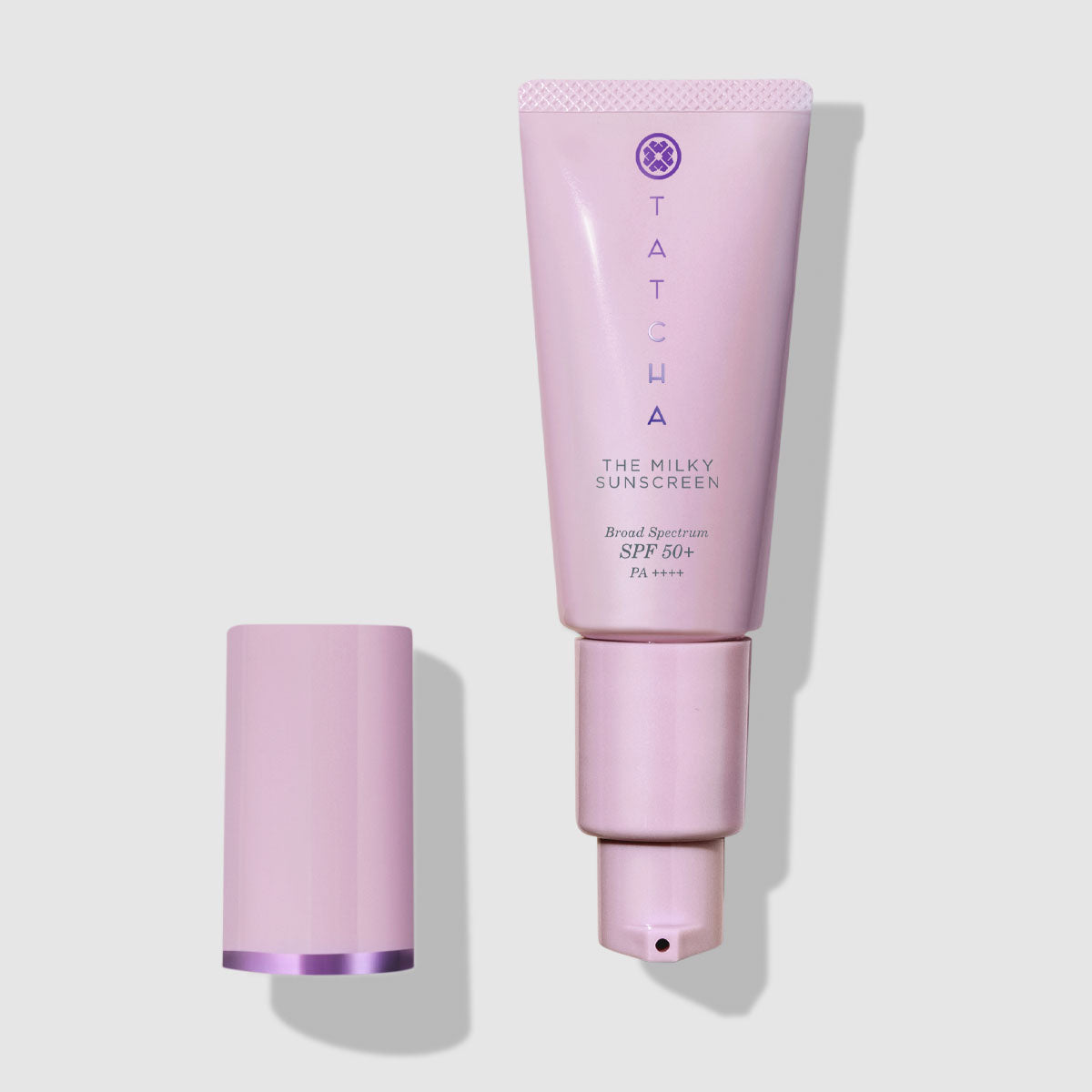
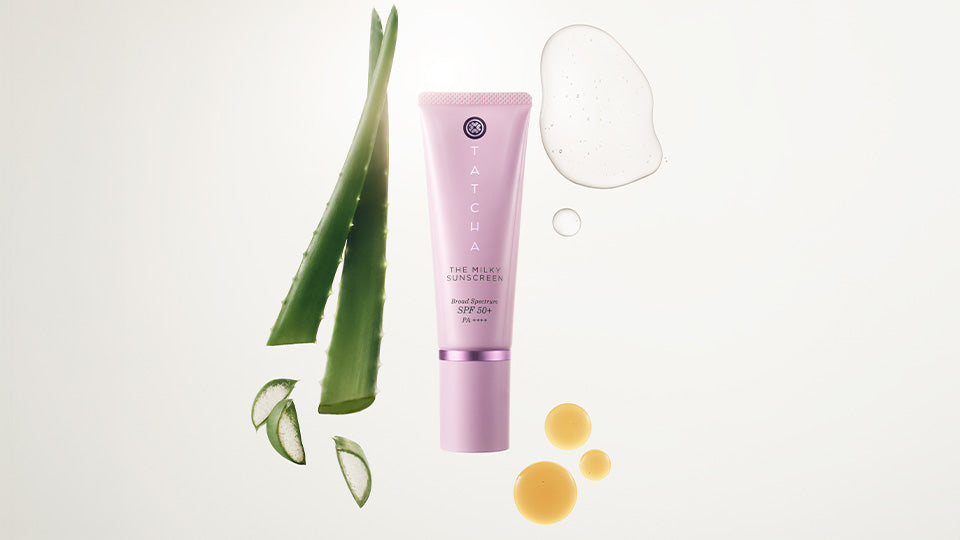
For those seeking to correct visible signs of sun stress while protecting from future sun damage, try the new Milky Sunscreen. Tatcha’s newest sunscreen innovation blends modern 50+ SPF filters with ingredients like encapsulated ectoin, vitamin E, and aloe vera extract from Okinawa. The milky lotion with a natural finish and chemical protection provides cellular-level hydration, addresses visible signs of UV damage, and soothes stressed skin.

The best sunscreen is the one you use daily, so make sure to find one you like. Then, don’t go a day without it.
Frequently Asked Questions

Is it safe to wear sunscreen every day?
Arguably, one of the most studied and researched skincare products is sunscreen. It is the most important thing you can put on your skin to prevent sun damage, and it is perfectly safe to use every single day. It is not only safe, but it can be life-saving. It has also been shown that sun protection can help decrease the formation of skin cancer cells.
Does wearing sunscreen every day prevent wrinkles?
Plain and simple, yes, wearing sunscreen (specifically broad-spectrum sunscreen) every day is the best way (and easiest!) to combat signs of premature aging, including wrinkles and fine lines. UV rays cause visible skin aging by breaking down collagen and elastin, but sunscreen can protect against this aging process by shielding UVA rays (responsible for aging, while UVB rays cause burning) from penetrating the skin.
How much sunscreen do I need?
According to the Skin Cancer Foundation, most people do not apply enough sunscreen. They advise that you need approximately two milligrams of sunscreen per square centimeter of skin. This is the equivalent of a shot glass or two tablespoons of sunscreen to the exposed areas of the body and a nickel-sized dollop to the face alone.
Do I really need to reapply sunscreen throughout the day?
Even with the amount of guidance above, do you really need to reapply? Absolutely, yes, according to dermatologists and the Skin Cancer Foundation. The Foundation says sunscreen needs to be reapplied every two hours, but even more frequently if you are swimming, have heavy perspiration, or are frequently toweling off.
Should sunscreen come before or after other products?
Sunscreen is your last skincare step before makeup, if using. Cleanse, then treat (maybe with an essence and/or toner, then a serum) and moisturize. After your moisturizer and/or facial oil, finish with sunscreen. Sunscreen is just for daytime, so your last step at night would be a moisturizer or facial oil. Sunscreen is always the last step in your daytime skincare routine.

Related Products

Bestseller The Silk Sunscreen SPF 50.

Weightless Mineral Sunscreen

Sale price $64
Bestseller Silken Sunscreen SPF 35

Soft Matte Sunscreen

Sale price $72
New Tatcha The Milky Sunscreen tube on a light gray background

Soothing Hydration Shield

Sale price $50

Recent Posts

View all
Is Matcha Good for Acne?
Caring for SkinJun 11, 2026
Is Matcha Good for Acne?

Matcha is a special type of finely powdered green tea prized for its bright green hue, distinct cultivation practices, ceremonial preparation, and transformative health benefits. The tea is linked with many health benefits, from improving mental alertness, fighting free radicals thanks to the potent antioxidants, and boosting numerous cognitive functions.  Additionally, matcha is also proven to be wonderfully beneficial for reducing blemishes when applied topically, an impressive fact proven by numerous clinical studies.

The Best Foaming Facial Cleanser
Caring for SkinJun 11, 2026
The Best Foaming Facial Cleanser

Foaming cleansers can be effective for all, but the secret to using them correctly is discovering a formula that is ideal for your skin type. A creamy foaming cleanser, which imparts a soft hydration onto the skin as cleansing, is more ideal for dry skin, while a refreshing foaming cleanser that includes oil-balancing ingredients is more ideal for combination and oily skin tones. Some formulas work by allowing the dense bubbles to grasp onto debris, sebum, and makeup, washing away in a single step. While other formulas might need an oil cleanser first to break down these trickier long-lasting ingredients. 

The Best Blemish Begone Skincare Products
Caring for SkinJun 10, 2026
The Best Blemish Begone Skincare Products

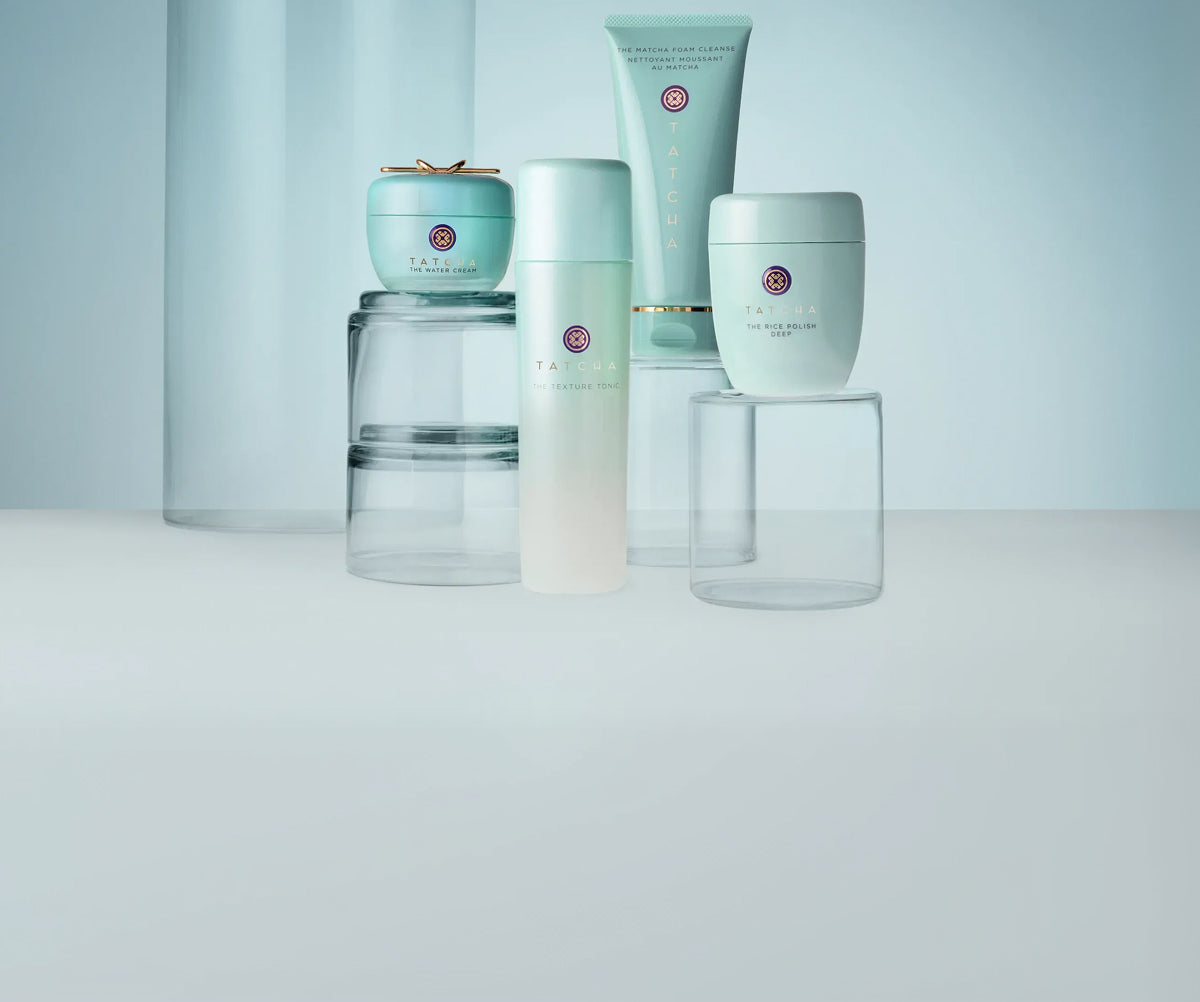
Blemishes can be caused by a variety of things, and are a fact of life. But choosing the right skincare products can help you keep breakouts at arm’s length. Blemishes happen to all of us. But to some of us, they happen more often than not. We call ourselves blemish-prone. And in addition to our usual skincare routines for morning and night, we make active choices about the products we use to make sure blemishes stay away. The word blemish, from the French blessmiss—to make angry—might be the most polite way to refer to many types of skin blemishes like acne, pimples, zits, and all of the other names we ascribe to those skin reactions that cause small unusual bumps. A bit ironique, considering that the word we now associate with acne connotes an imperfection or something else wrong. And while acne can be caused by imbalances in the skin, it’s common enough for all of us not to make it such a big deal. These are not mountains. They’re even much smaller than molehills. Still, those who deal with blemish- or acne-prone skin know that not all skincare products are created for the same skin type. All of us need to choose the right cleanser and moisturizer for our skin, but how we do so is up to us—and, usually, to the specifics of our skin’s behavior. A dermatologist should be your first stop on your skincare journey, but the following guide can help shed a little light on the acne-prone skin type, and some of the common skincare choices (and the optimal acne skincare routine!) made by those who have it. What is blemish-prone skin? Blemish-prone skin is another term for oily skin, which is one of the major skin types. Oily skin is usually categorized by skin that produces more sebum than so-called “normal” skin, but there are a few ways to glean more information about how your skin behaves at baseline. “Oil” is a poetic name for sebum, the waxy substance made of lipids like cholesterol, squalane, and glycerides that is secreted from sebaceous glands that sit within pores and hair follicles. Sebaceous glands are an important mechanism that our skin uses to moisturize and protect itself. Many of our sebaceous glands can be found on our faces and scalps, though there are a few places we don’t have sebaceous glands—like on our lips, or the bottoms of our feet. Sebum is a protective substance that helps to seal moisture by shoring up our skin barrier. In other words, it’s a good thing to have. But those with oily skin can have too much of it, and too much can lead to a higher incidence of breakouts. While oily skin can be a genetic trait, it can also be influenced by the environment around us—the climate, for instance—and our own behaviors—like how we take care of our skin. How do blemishes occur? You’re unlikely to find the term “blemish” in dermatology coursework. Generally, when we’re talking about a blemish, we’re talking about a form of acne, which is described most concisely as a blocked hair follicle. The pores that dot our skin are small channels that house sebaceous glands and hair follicles; they help traffic sebum up and out of skin. When sebum and dead skin clogs a pore, it may become what is called “common acne”, though there are a few types. Blackheads and whiteheads are caused by sebum buildup, and are distinguished by whether or not they’re open (and black) or closed (and white). When an infectious bacteria is introduced, it can cause a more robust infection, resulting in other forms of acne like papules and pustules that are painful to the touch. If you need help identifying what kind of blemish has popped up on you, head to your nearest dermatologist’s office to find out. What are the most important blemish skincare steps? Perhaps the most important thing to do in the face of acne is: Not panic! Breakouts happen to all of us, and usually fix themselves on their own. But if you identify with the oily skin type, and find yourself devoting more time to quelling breakouts than you’d like, you might want to consider some of the skincare products for oily skin, which are popular among those with acne-prone skin. A few common switches include: Cleansing with a gel. Dermatologists at the University of Florida Health once proclaimed that “the most important thing you can do for oily skin is to keep your skin clean.” Those with oily skin may want a cleansing formula with more reach than surface-level face washes—something that can cleanse pores deeply, ensuring they remain clear of acne-causing buildup. Gel cleansers are usually the ones for the job. Water-based gel cleansers are slippery, clear, and tend to foam up. Tatcha’s brand new Matcha Cleanse is a soapless gel that deeply decongests pores— thanks to a unique gel-to-foam texture—to reduce oil, and visibly calm skin without stripping. The Matcha Foam Cleanser takes on oiliness with a gentle touch: balancing the microbiome, soothing, and calming. Exfoliating with acids. There’s a reason that the inventors of alpha hydroxy acids have been honored all over the world. Their contribution to skincare includes one of the most popular exfoliating acids of all time—and it’s a boon for those with oily skin. AHAs, as they’re known, help to “peel” the skin by breaking down the bonds between old and new skin cells. Exfoliation is essential for all skin types, but the ease of AHAs and their efficacy in removing dead skin makes them great for oily skin. They’re commonly recommended to those with oily and acne-prone skin, especially in the form of a daily treatment. A product like the Texture Tonic, which takes the form of a lightweight daily toner, allows you to fit gentle exfoliation into your regular skincare routine—right between cleansing and moisturizing. Its AHAs come from a cornucopia of fruit sources proven to resurface uneven and dull skin—leaving it smooth and radiant. Moisturizing with water Sure, the idea of moisturizing with nothing but water may sound counterintuitive, or downright impossible. And yet it's the animating idea behind the Water Cream, Tatcha’s best-selling moisturizer for oily skin. This lightweight, oil-free cream has a bursting effect when applied, flooding the skin with vital and necessary hydration. It’s also beloved for its powerful superplant ingredients that address traits commonly found in oily skin, like antioxidant-rich wild rose (which has the benefit of smoothing the appearance of large pores) and anti-inflammatory heartleaf extract (a natural azelaic acid alternative). Masking with clay When it comes to natural ingredients that help oily skin, you can’t beat clay. Clay helps absorb excess oil, and is said to also draw impurities out of the skin. Anyone who has used a clay mask can attest to its drying powers, which is why it’s not usually a daily ingredient. Instead, it's suited for more irregular use, like in a face mask. The Clarifying Clay Mask, formulated as a treatment for oily skin, uses marine mineral-rich kucha clay sourced from the islands of Okinawa. For centuries prior, Okinawan women have cherished kucha clay for its superb oil-absorbing properties, using it as a hair powder or face mask. When mixed with volcanic ash and exfoliating Japanese konjac, it makes for smoother, clearer skin in no more than three minutes. 180 seconds per week may not alone calm oily or blemish-prone skin, but good holistic skincare habits will.

View all

Subscribe to our newsletter

By signing up, you agree with our privacy policy.