




Summary
-
While there are many ways to cleanse your skin, a cleansing oil is one of the most effective (and gentle) options.
-
An oil cleanser not only efficiently removes makeup, sunscreen, and debris, but also works to break down the sebum on the skin, which can cause breakouts if left unchecked.
-
Benefits of oil cleansing include moisturizing and supporting your skin barrier, delivering nourishment where your skin needs it, and that it works for every skin type.
- The trick to getting all the benefits of oil cleansing is to use it on dry skin with dry hands and massage it into the skin thoroughly – this technique allows the cleansing oil to break down debris.
Face washes come in nearly endless formulas. But if you’re looking for a face wash that does more than just cleanse, here’s why cleansing oil might be the gentle, effective upgrade your skincare routine needs.
There are many ways to wash a face, with many means to the same end. The choice of which cleanser is usually calculated according to many different factors, from the specific properties of someone’s skin to the scent preferences of the person behind the routine. Cleansers come in a wide variety of formulas. There are face washes with no scent at all; some have a refreshing gel texture, while others start as a face polish and spring to a cloud-like foam with a few drops of water. If they all have one thing in common, it’s their aim: To remove dirt, makeup, dead skin, sweat, and other impurities from your skin. After that, they differ in almost every way. Many face washes are similar; few are identical.
One of the first things you may notice about your cleanser is its texture. Is it lightweight, like a water-based gel, or thicker, like an oil-based balm? Oils, in particular, have a long history of use around the world, and have been incorporated into skincare preparations for hundreds and even thousands of years. In fact, there are many benefits of oil cleansing in your own skincare routine.
What Is Cleansing Oil?
The chemical definition of an oil is a fat that is liquid at room temperature. They’re hydrophobic (they don’t mix with water) and lipophilic (they do mix with other oils). Cleansing oils, which are made with plant oils, simply describe oil-based (as opposed to water-based) face washes that, when lathered with a little water, remove unwanted impurities from the dense matrix of the top layers of skin. But that’s not all — in fact, there are many benefits to the method of cleansing skin with oil.
What Is An Oil Cleanser?
An oil cleanser is just another way to say a cleansing oil. An oil cleanser is also oil-based and works by capturing makeup, sunscreen, and debris and then rinsing them away. An oil cleanser is beneficial because of the scientific principle of ‘like dissolves like’ — meaning oil (via an oil cleanser) dissolves oil (excessive oil on the face). But an oil cleanser will also dissolve and lift away other impurities difficult to remove, including sebum, waterproof makeup, and stubborn sunscreen. However, to achieve these oil cleansing benefits, you have to know how to use a cleansing oil (more on that below).
What Does Cleansing Oil Do?
Applied to the skin, oils work differently than other oils we consume. Think again of the ubiquity of oils. Oils are everywhere, including in our skin, which creates its own oily mixture, called sebum, to lubricate and moisturize the skin. But too much sebum can cause skin issues like acne breakouts and clogged pores, at least according to the American Academy of Dermatologists.
One way to deal with excess sebum is, to paraphrase another popular idiom, fight oil with oil. Lipophilic oil cleansers attract sebum, as well as the oils found in makeup and skincare. (Because oils are so good at breaking down these kinds of products, dermatologists at the Cleveland Clinic recommend beginning with an oil when double cleansing.) This quality gives oil cleansers a two-pronged approach to caring for skin. Not only can they pull out impurities from within the skin, but they can also reach down deeper than your average water-based wash.
Benefits of Cleansing Oil
A good cleansing oil kicks off your skincare routine by washing the slate of your skin. But the benefits of oil cleansing don’t stop there. Oil cleansers also:
Moisturize and Support Skin Barrier Health
Oils are good for moisturizing the skin, but not for hydrating it — and there’s a big difference. While oils don’t add water content to the skin, they are very effective at “conditioning” skin by trapping water. You can think of the skin’s basic structure as brick-like skin cells joined together by lipid mortar: The lipids in oils can help replenish these lipid layers, shoring up your skin barrier from water loss. This is one of the main benefits of cleansing oil, especially for those with chronically dry or dehydrated skin.
Deliver Nourishment Where Your Skin Needs It
Because lipophilic cleansing oils can sink deep into the top layers of the skin, they’re often shown to produce skincare benefits that are more than skin deep. For example, an oil known to have a high antioxidant content can help fight inflammatory damage from environmental pollutants or sun damage. Skincare formulators also commonly use oils as vehicles for skincare ingredients — they’re quite literally called “carrier oils” — that are known to boost hydration or soothe reactions.
Work For Every Skin Type
There’s a common misconception that oil-based cleansers are better suited for dry skin and that water-based cleansers like gels are the only way to treat oily or acne-prone skin. The truth is both simpler and more complex. The truth is that oil can work for any skin type — you just need to know what to use. For oily skin, tea tree or grapeseed; for dry skin, avocado or jojoba; for reactive skin, chamomile and camellia seed. But rest assured: There’s a cleansing oil for every face, including yours.
Who Should Use Oil Cleansing
Now you’re curious about switching your face wash to an oil — but which one is right for you? You can read magazine articles or surf message boards for hours trying to find testimonies from people with your skin type, or you can choose an oil-based cleanser tried-and-true for all skin types, or proven to work on even sensitive skin. Slide down a path of your choosing.
For all skin types:
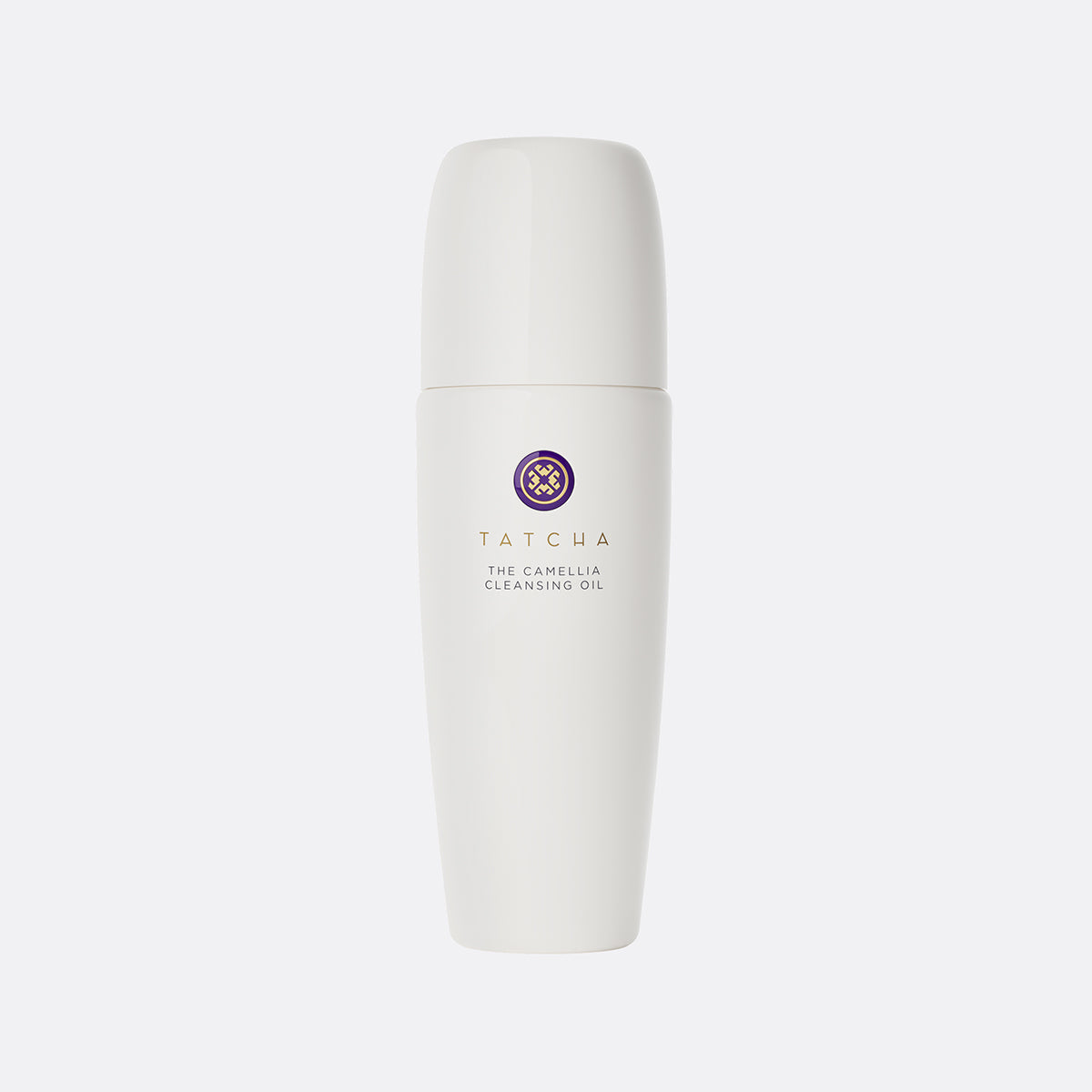
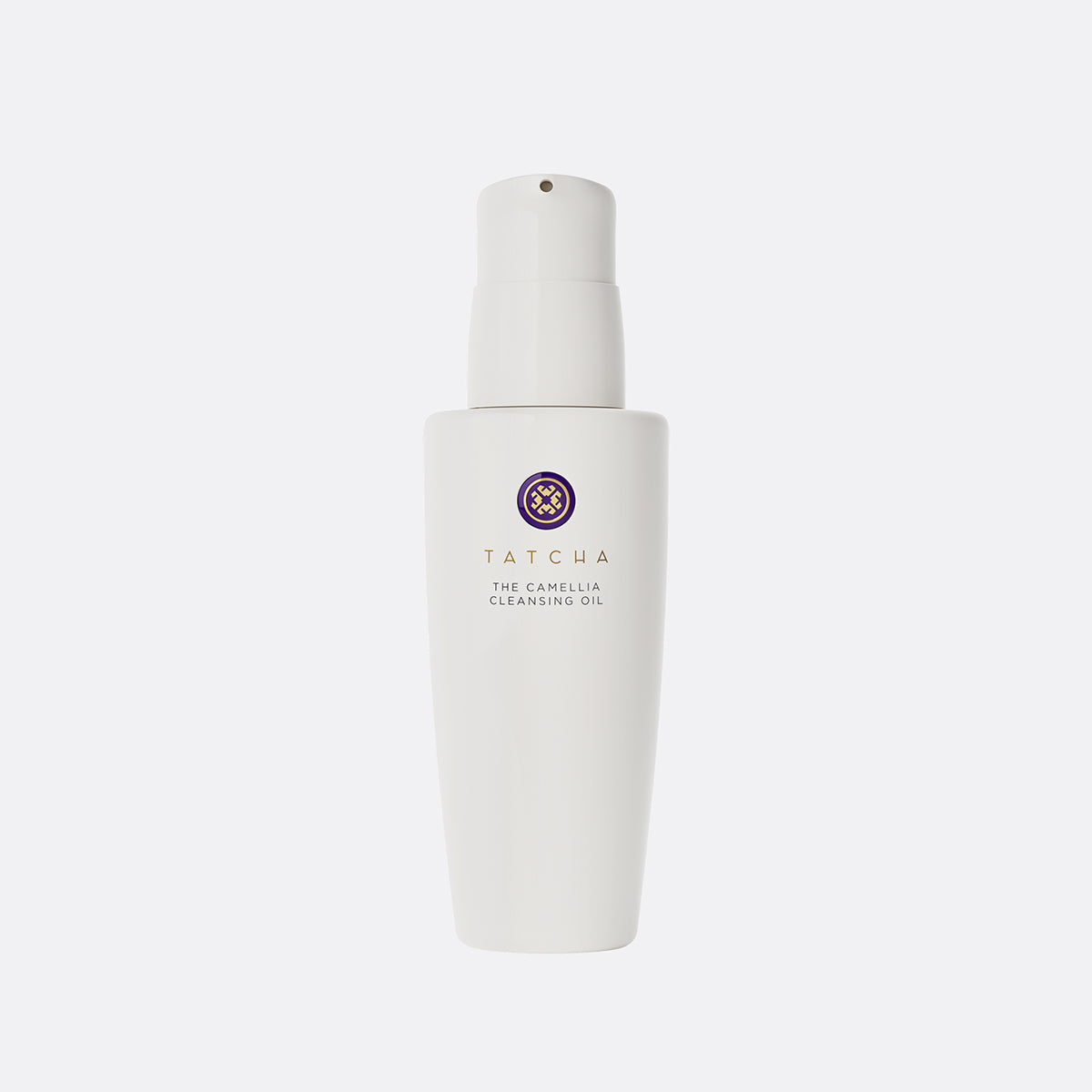
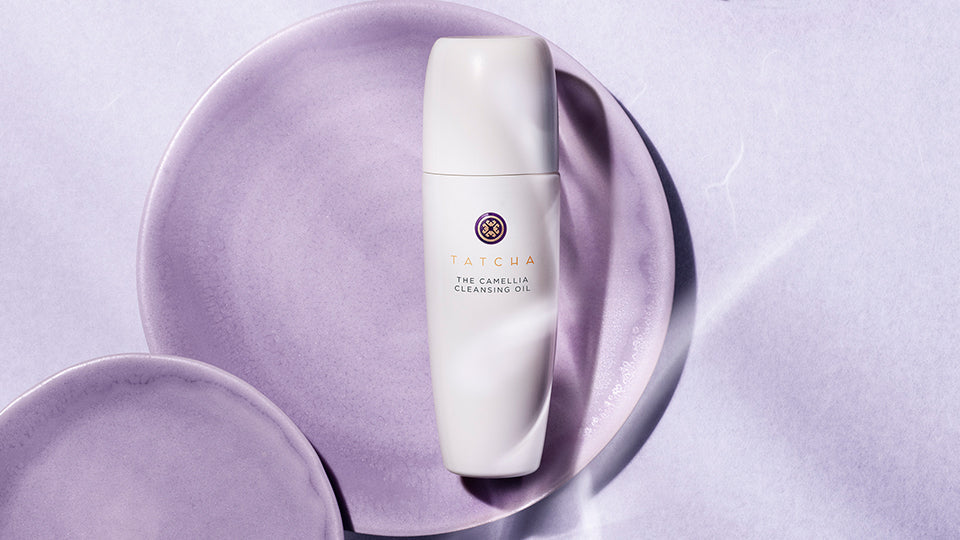
The best oil cleanser is The Camellia Cleansing Oil. This oil’s base is tsubaki, or camellia seed oil, which has been used as a makeup remover for centuries. Utilizing the tsubaki oil’s benefits in hair and skincare rituals, geisha performers would massage the oil into their hair for luster and onto the face to melt away thick stage makeup and keep the skin soft, too. The hydrating formula of this facial cleansing oil draws out oils, removes sunscreen and waterproof makeup — even mascara.
For sensitive skin types:
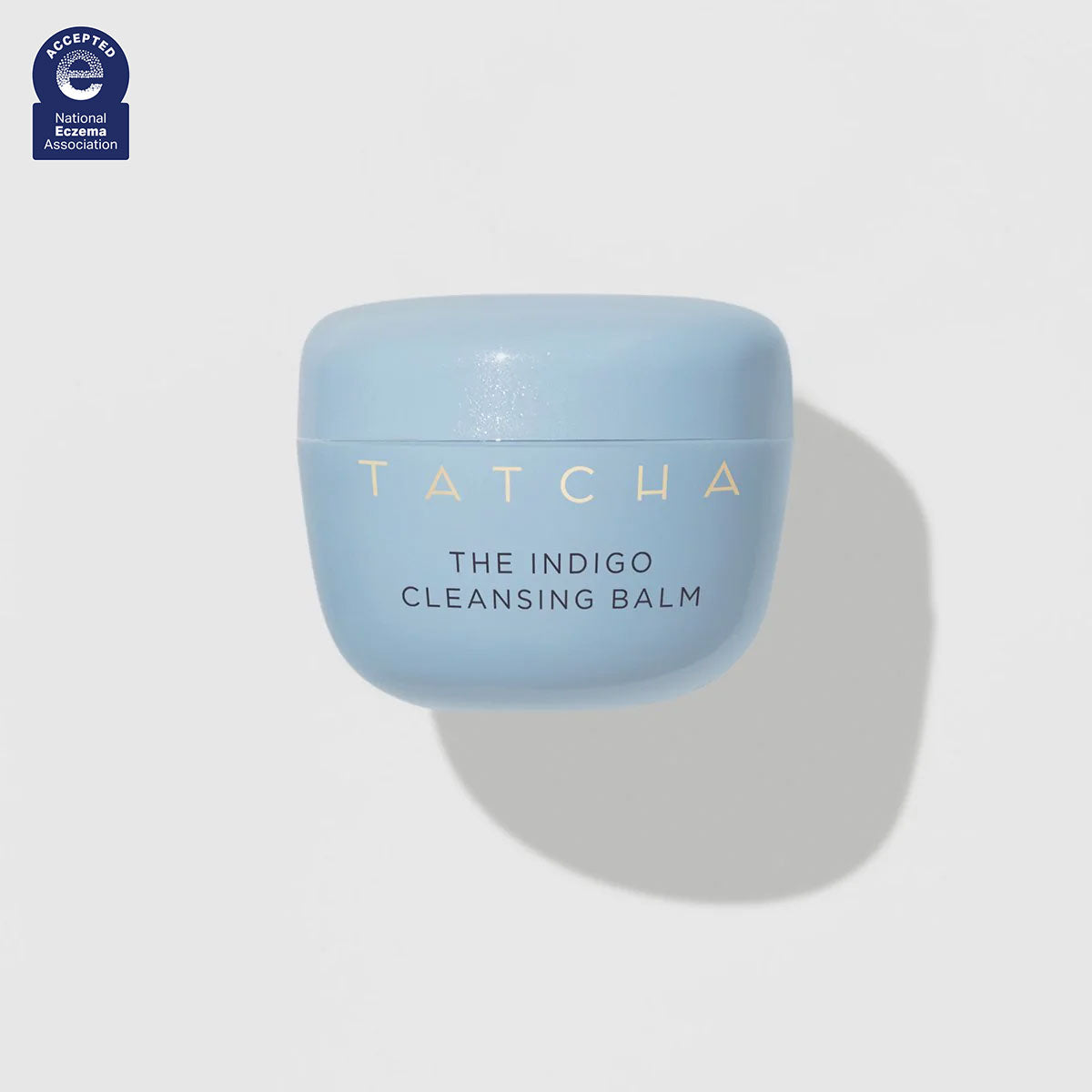
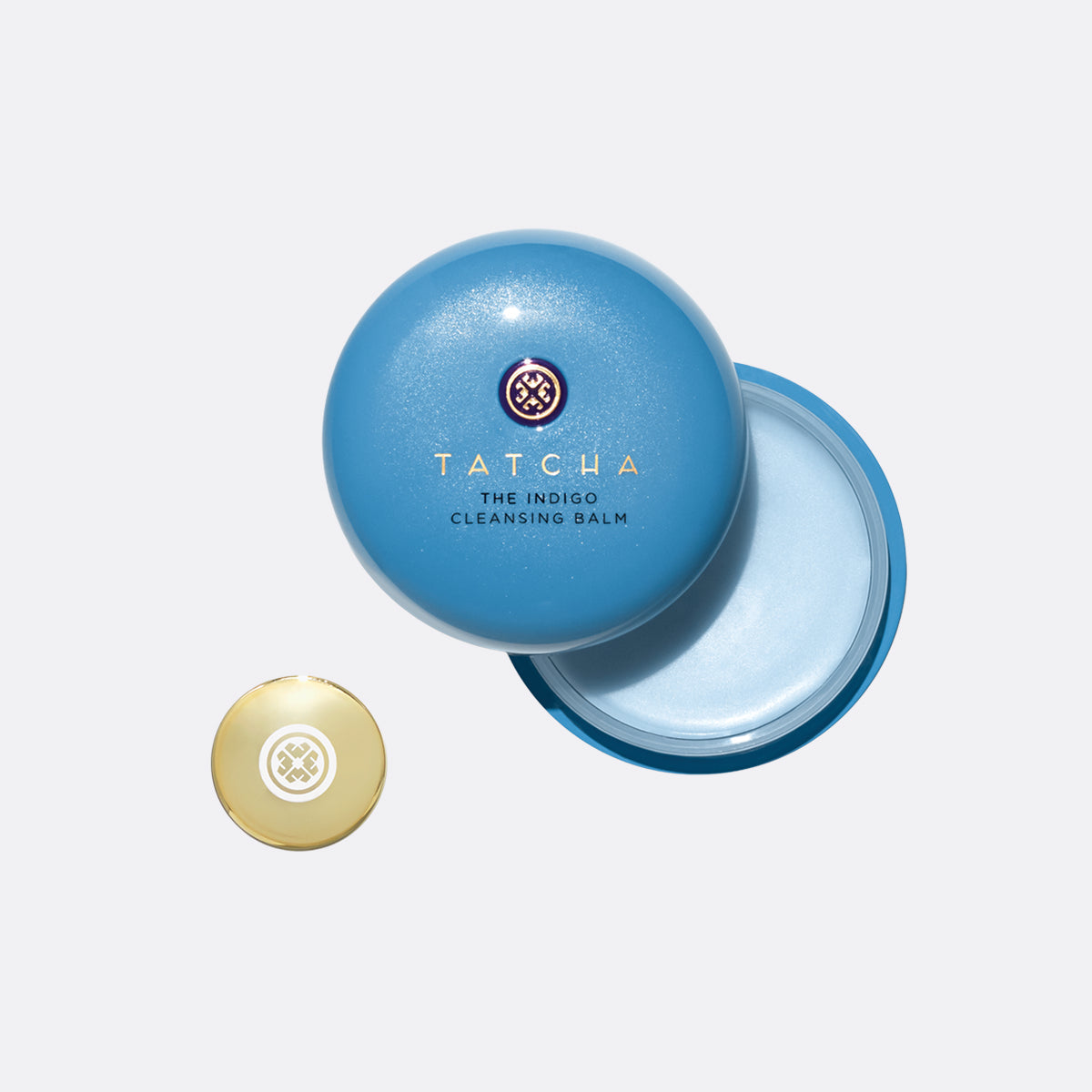
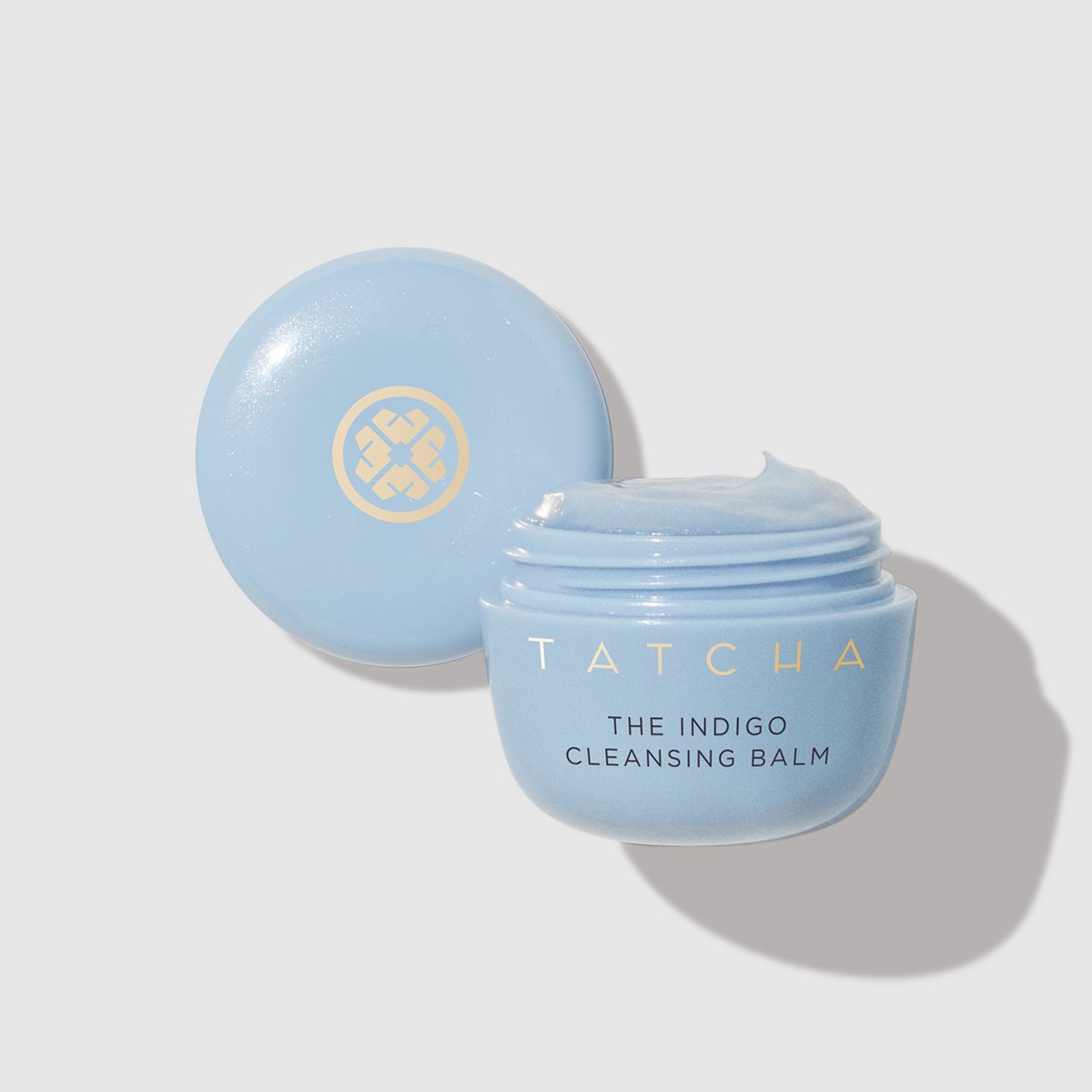
Balms, thicker oil-based formulations, are superlative for their gentleness on the skin. Tatcha’s fragrance-free cleanser, The Indigo Cleansing Balm, distills Japanese indigo into a texture that transforms on skin, from a creamy solid into a silky oil. It’s particularly recommended for sensitive or reactive skin types, thanks to the visibly calming benefits found in indigo extract. Lipids in the balm also help support the skin barrier, improving the skin’s health over time. It’s one powerful skin treatment in one gentle step.
When to Oil Cleanse
It’s easy to remember when to use a cleansing oil because it’s the very first step in your evening skincare routine. (There’s no need to use it in the morning.) You want to oil cleanse first and foremost (and on dry skin, as highlighted below) to get the most benefits from this step. If used after a water-based cleanser, it won’t be as effective, so be sure to get the most benefits of cleansing oil by applying it as your first step.
How to Oil Cleanse
Here’s the best way to oil cleanse your face:
-
Start with dry, clean hands. While many formulas can be applied to damp skin, we prefer starting with dry hands and a dry face. This allows for a deeper penetration of the oil cleanser.
-
Apply one to two pumps of an oil cleanser or a pea-sized balm amount (or more, if you’d like) into the palm of your hand.
-
Massage into the skin in circular motions, focusing on areas that need more attention (like stubborn makeup or excessively oily spots, like the nose).
-
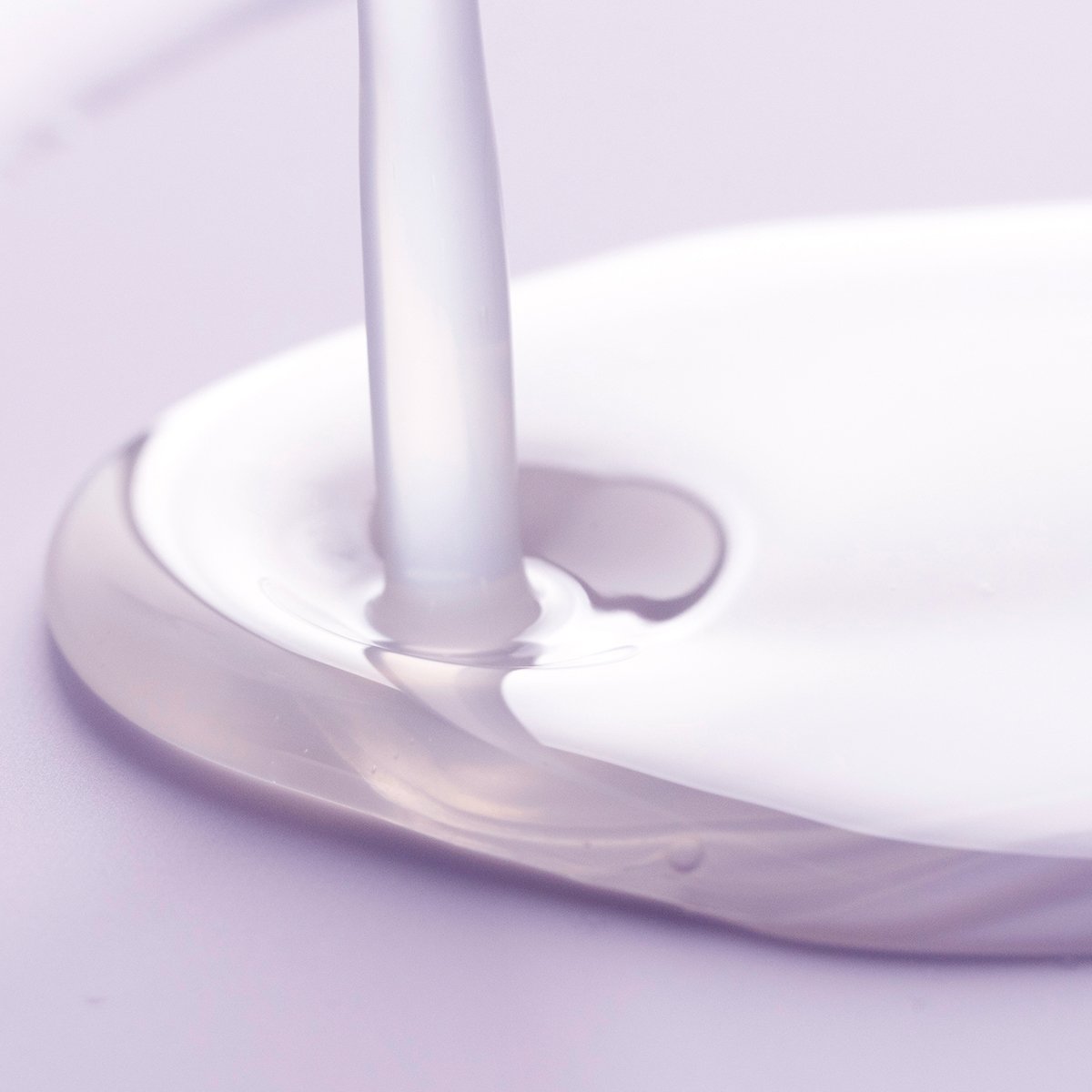
After about 30 to 60 seconds of massaging, if possible, add a few drops of water to your hands and then continue to massage, allowing the product to emulsify into a milky cleanser.
-
Continue massaging for another 30 seconds and then rinse off with lukewarm water.
-
Finally, follow with a daily water-based cleanser or chosen exfoliant for a truly effective double cleanse routine.