
Do you ever wonder, “Why is my skin so sensitive?” You’re not alone. It’s estimated that up to 70 percent of people identify as having sensitive skin. While sensitive skin is very common, each person can have different symptoms and triggers, making it difficult at times to diagnose and treat sensitivity. Keep reading to learn about sensitive skin, what causes it, and how to manage it.
Signs of Sensitive Skin
The term “sensitive skin” is just a general category, a spectrum encompassing a variety of skin irritations and conditions. Frustratingly, there is no clinician definition of skin sensitivity. It’s most likely characterized by unpleasant sensations or reactiveness, like redness, itching, discomfort, burning, and swelling, and can be caused by a variety of factors. Here are a few of the most common signs you might have sensitive skin.
Itching, Burning, or Redness
One of the methods we recommend to determine your skin type is the bare-face method, a technique that involves cleansing the skin thoroughly, letting it sit untouched for 30 minutes, and then analyzing how skin feels and looks. This method can help you discover if you have dry or oily skin, but it also sheds a light on sensitivity. If it feels itchy, tight, burns, or appears red, you might have sensitive skin. (A board-certified dermatologist will help diagnose this.)
These uncomfortable sensations can occur after the application of triggering skincare ingredients and products, too.
Weakened Skin Barrier
Those with sensitive skin may naturally have a weaker skin barrier, allowing irritants to penetrate and hydration to escape easier. A damaged skin barrier can manifest itself as inflammation, tenderness, and even acne.
What Causes Sensitive Skin?
Just as there are numerous ways sensitive skin showcases, there are just as many causes and triggers. Here are a few of the most common causes of sensitive skin.
Environmental and Lifestyle Triggers
In one study, environmental factors were shown to trigger sensitive skin reactions. These factors include heat, cold, excessive sun exposure, wind, pollution, and even air conditioning.
Additionally, the same study was able to link everyday lifestyle-related factors to sensitive skin reactions. Other factors include exposure to chemicals and daily hygiene practices, like shaving, showering, and skincare products.
Harsh Skincare Products
Aggressive products or the overuse of certain ingredients can lead to sensitivity. This can occur with harsh exfoliation products most commonly, including exfoliating acids. One study linked high-percentage AHAs (alpha-hydroxy acids), which include glycolic, lactic, malic, tartaric, and citric acids, with damage to the skin barrier and an increase in skin irritation. That said, low concentrations of AHAs can be beneficial for some skin types.
Genetics
Genes tend to play a huge role in sensitive skin. According to research published in the medical journal Cosmetics, sensitive skin can be passed down from generation to generation. Additionally, those with sensitive skin can be genetically predisposed to have an inflammatory response and an overproduction of histamine, which can potentially lead to inflammatory conditions that go beyond skin, including asthma, eczema, and hay fever allergies.
Dietary Triggers
The gut and skin are directly related, so much so that certain diets can provoke inflammation with sensitive skin. One study found a link between refined sugar, processed and fried foods, gluten, dairy, and spicy foods, which can trigger an immune response and over-sensitivity in the skin. Additionally, another study found diets rich in spices, coffee, and alcohol were shown to trigger sensitivity on the skin.
How to Care for Sensitive Skin
There are a few tried-and-true ideas that can help soothe and ease sensitive skin.
Minimize Triggers
Uncovering your personal triggers can be difficult and time-consuming, but the process might be worth it to uncover what allergies, foods, and environmental factors cause sensitivity. Consider consulting with a dermatologist and potentially an allergist.
Use Sensitive Skin-Safe Skincare
Skincare products can play a huge role in soothing and caring for sensitive skin. Aim for formulas that tout their safety for sensitivity and have calming ingredients, like indigo, colloidal oatmeal, and licorice root. Here are a few products from Tatcha that were designed for sensitive skin specifically.
Overnight Healing Treatment
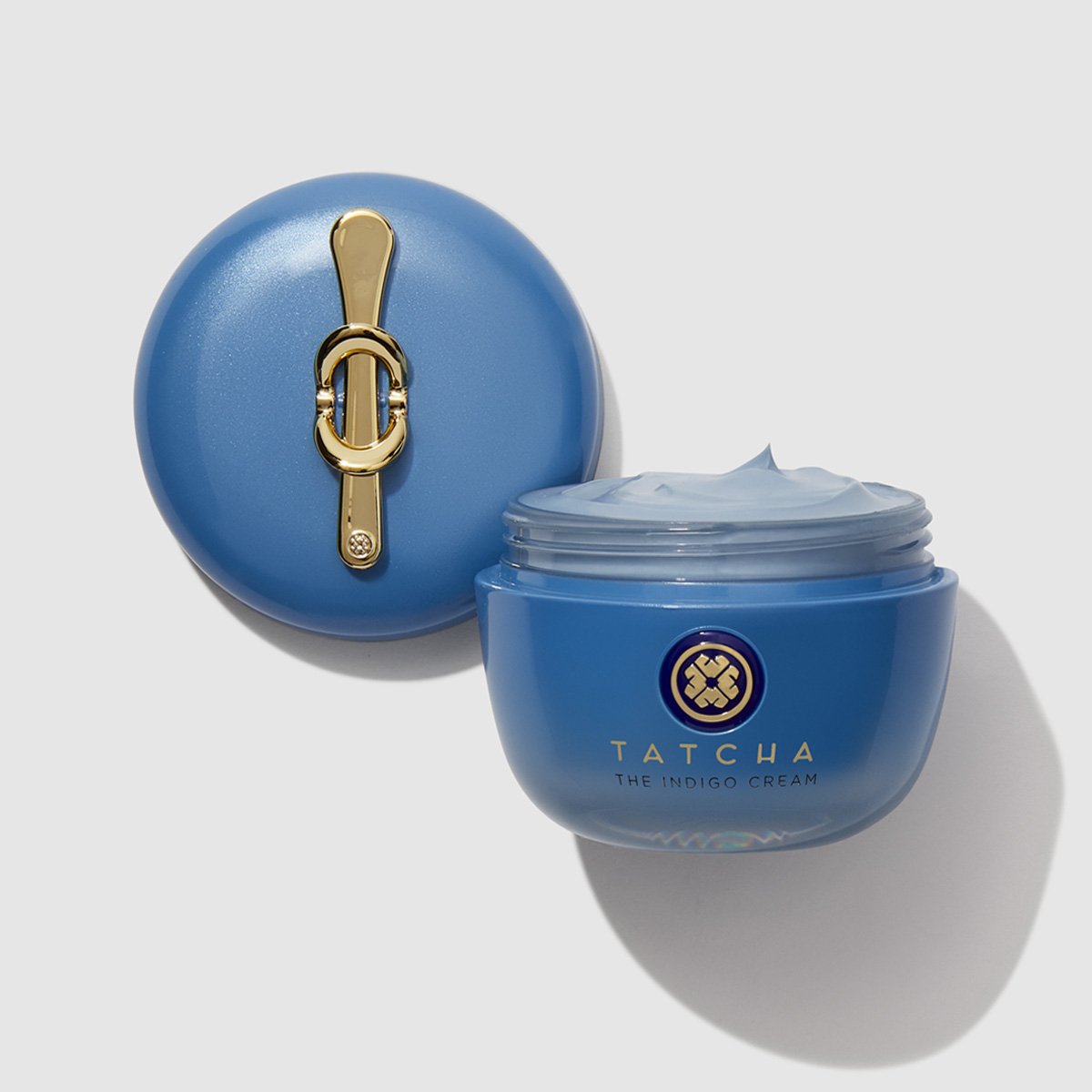
Try: Indigo Overnight Repair
Try this overnight healing balm, which visibly calms irritation and strengthens the skin’s barrier, so you can awake with calmer, healthier-looking skin. The formula features the soothing powers of Japanese indigo, red sage root to calm irritation, ceramides to boost moisture reserves, and hyaluronic acid to deeply hydrate. In clinical studies, 100 percent of users saw an improvement in their skin barrier strength within four weeks.
A Gentle Cleanser
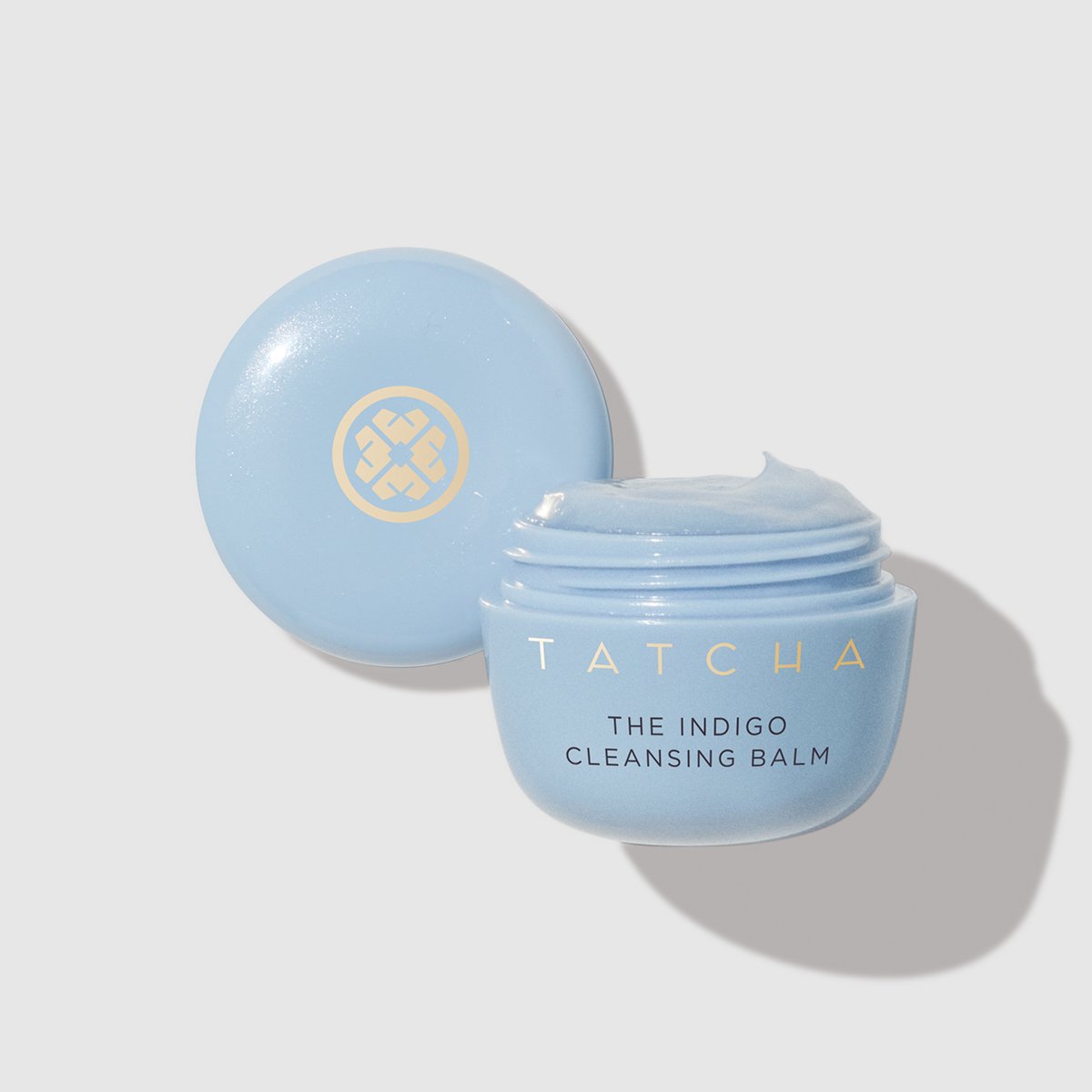
Try: Indigo Cleansing Balm
The new Indigo Cleansing Balm provides soothing support while removing impurities, makeup, and pollutants. Plus the fragrance-free balm maintains the skin’s barrier and microbiome for long-term skin health—perfect for sensitive skin.
A Soothing Cream
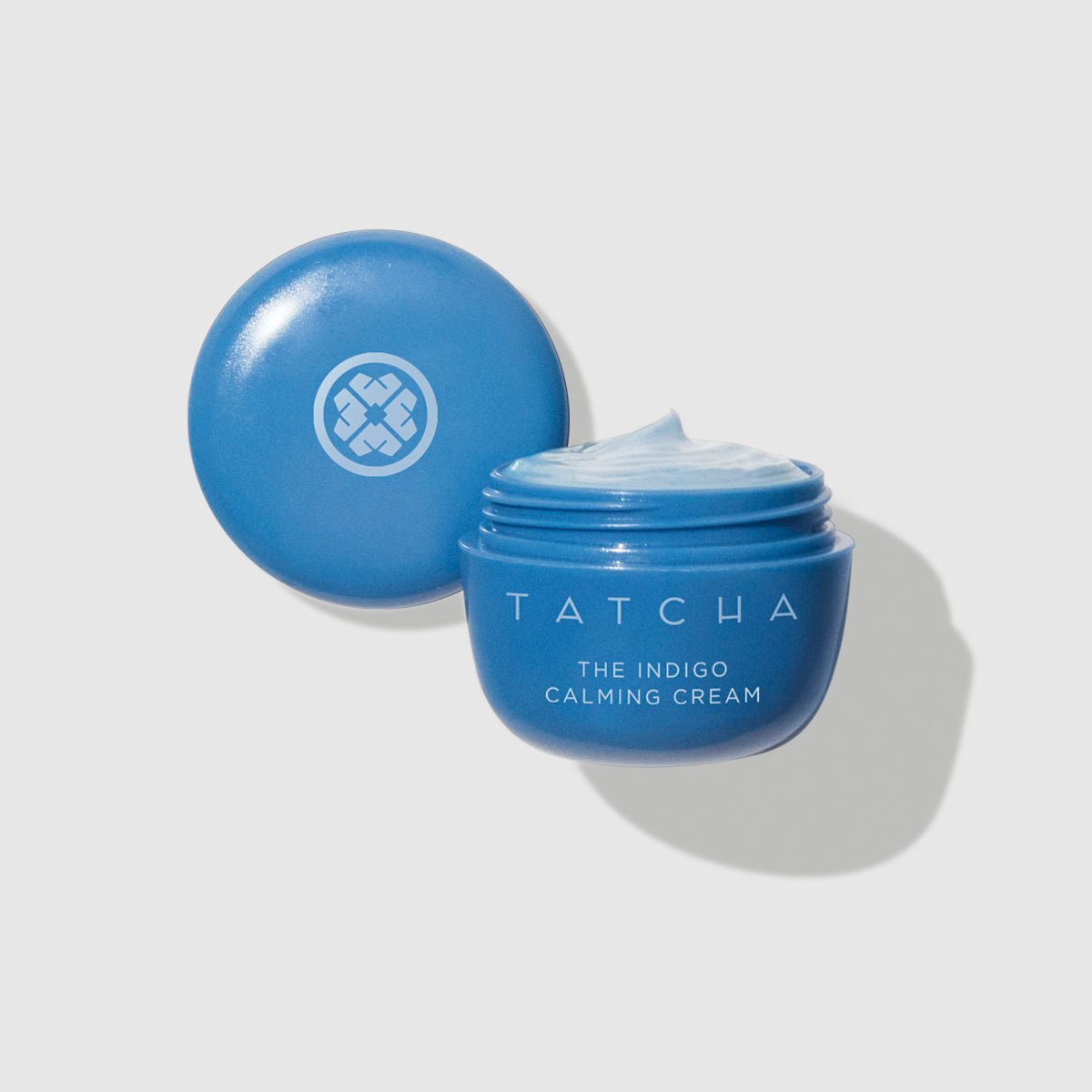
Try: The Indigo Calming Cream
Transform stressed skin to strengthened skin with the new Indigo Calming Cream. The rich, fragrance-free cream has been proven to calm visible irritation and relieve itchy skin, thanks to Japanese indigo, colloidal oatmeal (an FDA-designated skin protectant), and our proprietary Hadasei-3.